 Business License

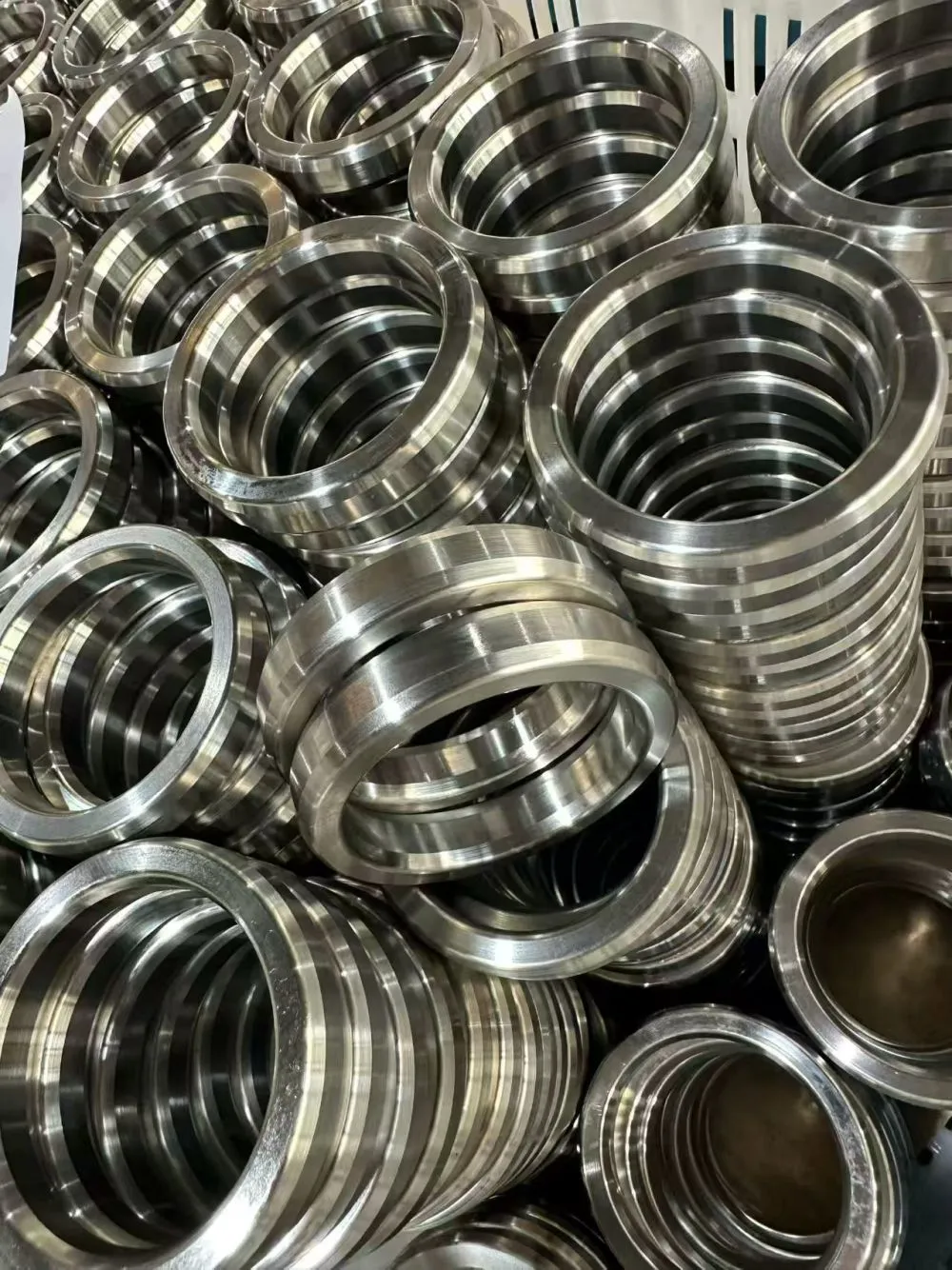
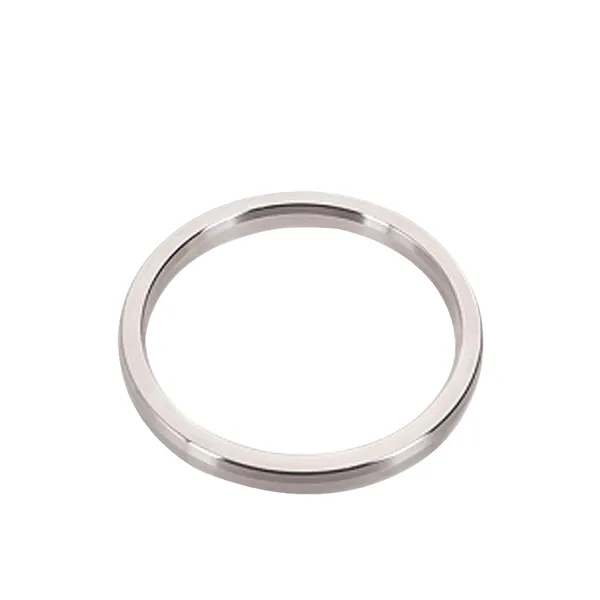
Metal Octagonal Gasket: The "Rigid Contract" of High-Pressure Flanges and the Philosophy
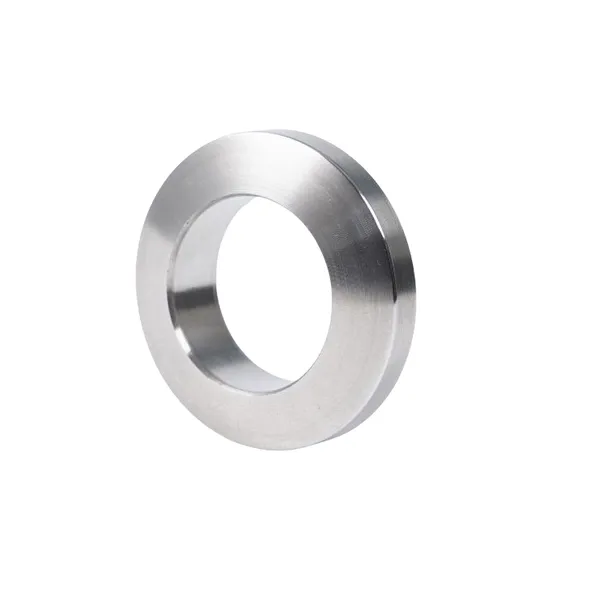
In the extreme operating conditions of petrochemicals, energy and power, and high-end equipment manufacturing, the sealing of flange connections serves as the final line of defense to ensure production safety and equipment longevity. When temperatures exceed 500°C, pressures surpass 10 MPa, or medium is highly corrosive, traditional non-metallic and semi-metallic gaskets often fail due to creep, aging, or extrusion. As a pure metal solid sealing element, the Octagonal Ring Gasket, with its unique "radial self-tightening" mechanism and "face contact" structure, has established an irreplaceable engineering position in harsh environments characterized by high pressure, high, and pressure fluctuations. It is not only a physical barrier in flange connections but also a concentrated embodiment of the "rigidity against rigidity, shape promoting sealing" design philosophy in field of industrial sealing.
Structural Essence: Geometric Coupling of Trapezoidal Grooves and Octagonal Cross-sections The core value of the metal octagonal ring gasket stems from its precise coupling with the trapezoidal grooves of Ring Joint (RJ) flanges. It is manufactured through forging, heat treatment, and machining processes, featuring a standard octagonal cross-section. range from soft iron, low-carbon steel, 304/316 stainless steel, 321/347 stainless steel, Inconel 00/625, Monel 400, Hastelloy C276, to titanium alloys, covering a wide temperature range from -200°C to 1000°C and ultra-high pressure conditions of up to 1500 bar. Unlike the "line contact" of oval metal ring gaskets, the oct gasket forms a "face contact" with the inner and outer surfaces (especially the outer surface) of the flange groove. Although this structure has slightly lower requirements for machining precision, grants the gasket unique engineering advantages: under the action of bolt preload, the gasket undergoes plastic deformation to fit tightly against the inclined surfaces of the trapezoidal groove, forming an initial sealing; as the system pressure increases, the medium pressure pushes the gasket to expand radially, further increasing the contact pressure between the gasket and the inclined surfaces of the flange groove, thereby achieving a self-tightening effect where "the higher the pressure, the tighter the seal." It is worth noting that the self-tightening seal of the metal octagonal ring gasket not absolute. As the medium pressure rises, the flange and bolts also undergo elastic deformation, leading to a slight separation between the sealing surfaces and causing the sealing contact pressure to relatively decrease Therefore, the octagonal gasket is essentially a "semi-self-tightening seal" element, whose reliability depends on the precise matching of the gasket material hardness with the flange surface hardness. In engineering practice, the gasket hardness must be 15-20 HB lower than that of the flange face to ensure the gasket preferentially undergoes plastic deformation to fill microscopic while avoiding damage to the flange sealing surface. This hardness difference is the "rigid contract" for the metal octagonal ring gasket to achieve a reliable seal, and an insurmountable technical red in selection and manufacturing.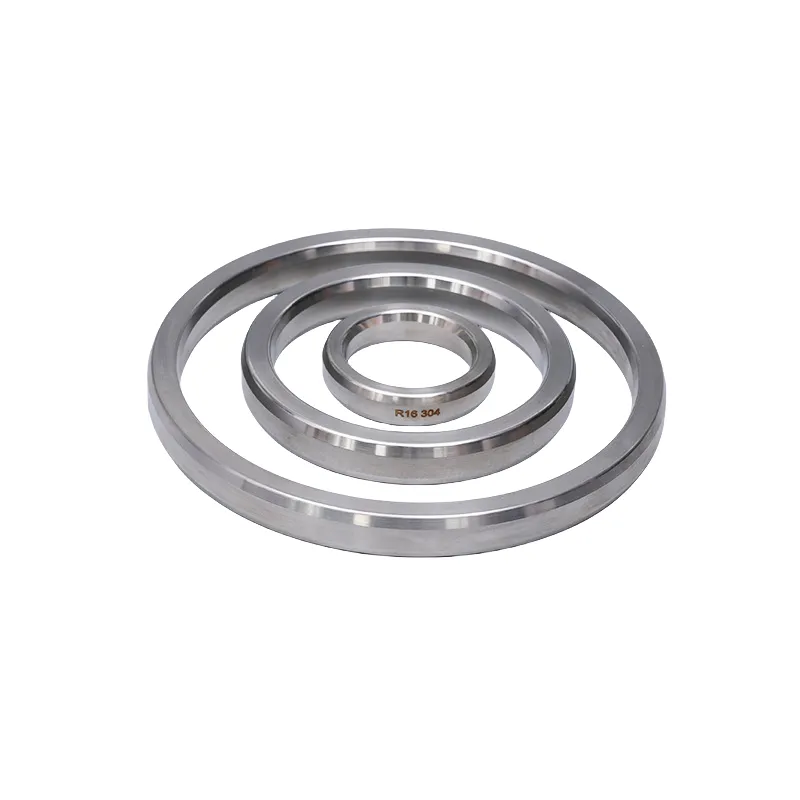
Performance Boundaries: A Dialectical Understanding of Advantages and Limitations The performance advantages of metal octagonal gaskets are particularly prominent under operating conditions. Their high-temperature and high-pressure resistance makes them the preferred sealing solution for media such as steam, hydrogen, synthesis gas, and corrosive solvents; the facecontact structure endows them with excellent reusability, allowing multiple installations during maintenance without compromising sealing performance; meanwhile, the straight-lined octagonal cross-section facilitates machining, reducing costs, and offers good adaptability to microscopic irregularities on flange faces, maintaining a stable seal even under frequently fluctuating pressure and temperature conditions. In applications such as oil and gas wellhead equipment Christmas trees, high-pressure valves, and heat exchangers, the sealing life of metal octagonal gaskets can reach several years or even decades, significantly reducing equipment maintenance costs and the of unplanned downtime. However, engineers must also maintain a clear understanding of their limitations. First, the face-contact structure results in an initial sealing performance slightly inferior to the line- of oval gaskets, requiring high machining precision and surface roughness for the flange groove; if the flange groove has scratches, dents, or angular deviations, leakage is highly likely; second, metal octagonal are rigid sealing components extremely sensitive to the uniformity of bolt preload; if non-diagonal cross-tightening or non-stepwise incremental tightening methods are used during installation, it will lead to loading and deformation of the gasket, destroying the continuity of the sealing band; furthermore, their temperature resistance is limited by the material, such as a maximum operating temperature of 50°C for 304 stainless steel and 815°C for 316 stainless steel; exceeding these temperatures will cause material softening and strength reduction, resulting in the loss of self-tightening sealing capability; additionally, the procurement cost of metal octagonal gaskets is higher than that of non-metallic gaskets, and they impose high rigidity requirements on flange system; in thin-walled flanges or long-bolt connections, additional verification of flange stress and bolt deformation is required to avoid sealing failure caused by insufficient system stiffness
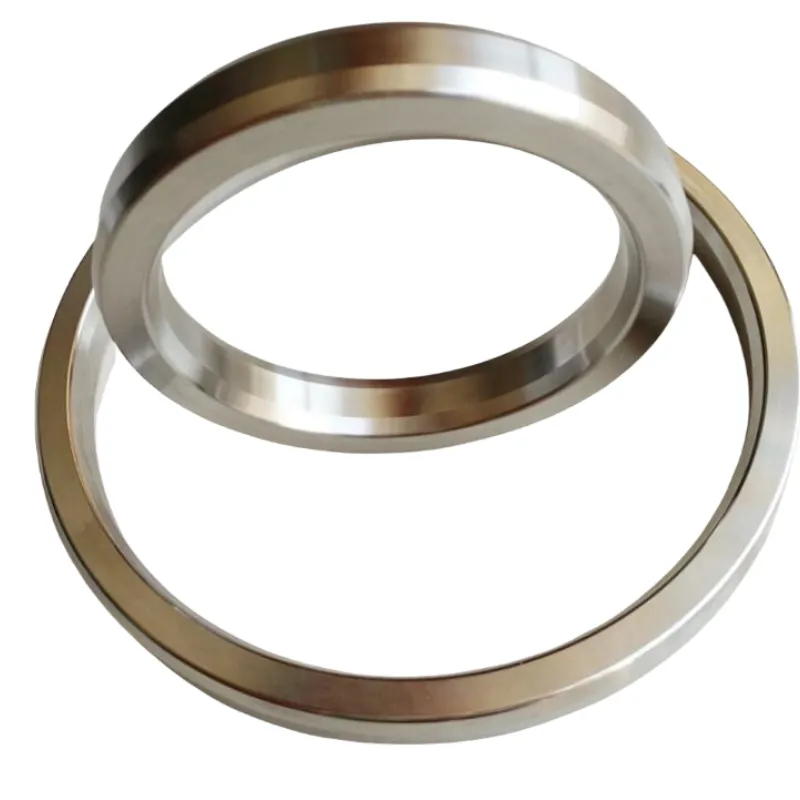
Standard System: Working Condition Adaptation from R-type to BX-type Metal octagonal gaskets are highly standardized, with their and manufacturing following domestic and international standards such as ASME B16.20, API 6A, GB/T 9128, JB/T 89 and HG 20633, forming a complete type series system. Among them, the R-type octagonal gasket is the most basic standard type, suitable for conventional-pressure flanges, with a maximum operating pressure of 10,000 PSI (approx. 69 MPa); the RX-type octagonal gasket is a pressureenhanced type, capable of withstanding pressures up to 700 bar by optimizing the cross-sectional shape and contact surface, and is interchangeable with R-type gaskets, making suitable for working conditions with large pressure fluctuations; the BX-type octagonal gasket is a dedicated ultra-high-pressure type, withstanding pressures up to 1,50 bar (approx. 150 MPa), its sealing mechanism relying on the base stress generated by the internal system pressure, specifically designed for API BX flanges and tongue-and-gro flanges, serving as a core sealing component for extreme working conditions such as deep-sea oil and gas extraction and supercritical power generation. When selecting, the three-dimensional matching principle of "standard-working condition-material" must be strictly followed. For conventional high-pressure working conditions, R-type octagonal gaskets are preferred, with materials selected as 04/316 stainless steel or soft iron depending on the corrosiveness of the medium; for working conditions with frequent pressure fluctuations or high temperatures, RX-type octagonal can be chosen, with materials needing to match the flange material and medium characteristics; for ultra-high pressure, ultra-high temperature, or strongly corrosive medium working conditions, BX- octagonal gaskets must be selected, with materials such as Inconel, Hastelloy, or titanium alloys, and third-party inspection reports and type test certificates must be provided., attention should be paid to the dimensional differences under different standard systems, such as the subtle differences in parameters like trapezoidal groove angle, ring height, and pitch diameter between ASME B6.20 and GB/T 9128; when selecting, the compatibility between the flange and the gasket must be strictly verified to avoid sealing failure caused by dimensional.
Installation and Maintenance: Critical Control Points in Engineering Practice The sealing reliability of metal octagonal gaskets depends not only on the product quality itself more importantly on the refined control of installation and maintenance. Before installation, the flange sealing surface and gasket surface must be thoroughly cleaned to remove oil, rust, scratches, and old gasket residues the contact surfaces are clean and flat; meanwhile, the dimensional accuracy and surface roughness of the flange groove must be checked, and if defects exist, the flange must be repaired or replaced. installation, the gasket must be accurately placed into the trapezoidal groove, avoiding skewing or warping, to ensure the gasket fits perfectly with the groove surface; when tightening bolts, a diagonal cross- and incremental step-by-step method must be adopted, gradually reaching the specified torque in 3-4 stages, and the uniformity of the flange gap must be checked after each to ensure the gasket is evenly loaded and to avoid deformation due to uneven loading. In the maintenance phase, a gasket usage log must be established to record the installation time, operating, tightening torque, and leakage status, providing data support for subsequent selection and installation. For reusable R-type and RX-type octagonal gaskets, an appearance inspection and dimensional measurement must be after disassembly; if scratches, dents, or deformations exist on the gasket surface, it must be repaired or replaced; for BX-type octagonal gaskets, as they are specifically designed for ultrahigh pressure, it is recommended to replace them with new gaskets after each disassembly to avoid sealing performance degradation caused by repeated use. Meanwhile, the bolt preload of the flange system must be checked regularly if bolt loosening or an increase in flange gap is detected, they must be retightened promptly to avoid leakage caused by insufficient preload
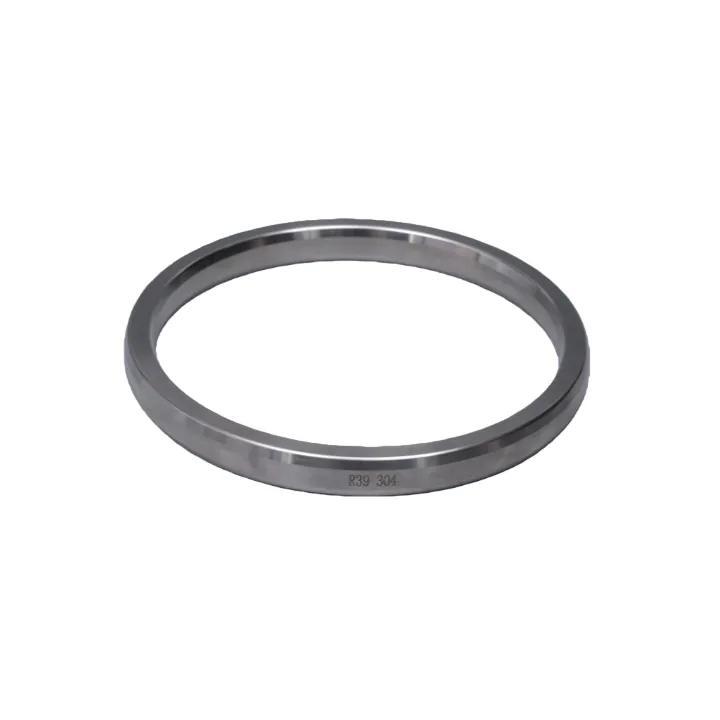
Technological Evolution: From Standardization to Customized Working Condition Adaptation With the iterative development of industrial sealing technology, metal octagonal gaskets are accelerating their from standardized supply to customized adaptation for specific working conditions. At the material level, the R&D of new high-temperature alloys and corrosion-resistant alloys has further expanded the temperature and resistance range of gaskets. For instance, Inconel 625 alloy can serve long-term at 1000°C, while Hastelloy C276 withstand strongly oxidizing media. At the structural level, by optimizing cross-sectional shapes and contact surface designs, the initial sealing performance and resistance to eccentric loading of gaskets have been improved. For example the "enhanced R-type octagonal gaskets" introduced by some manufacturers maintain reusability while achieving sealing performance close to that of oval ring gaskets. At the testing level, the popular of third-party test reports and the mandatory requirement for type test certificates have enhanced product quality transparency and reliability. For example, the standardization of testing items such as helium mass spectrometry leak detection metallographic structure analysis, and hardness testing provides a scientific basis for engineering selection. Meanwhile, the integration of digital technology has brought a new paradigm to the selection and application of metalagonal gaskets. By establishing gasket performance databases and working condition matching models, engineers can input parameters such as media, temperature, pressure, and flange standards online to quickly obtain the optimal selection. Through embedded sensors and Internet of Things (IoT) technology, the sealing status of flange systems can be monitored and warned in real-time, achieving a shift from "after-thefact maintenance" to "predictive maintenance". These technological evolutions not only expand the performance boundaries of metal octagonal gaskets but also drive the paradigm upgrade of industrial sealing from "experiencedriven" to "data-driven".
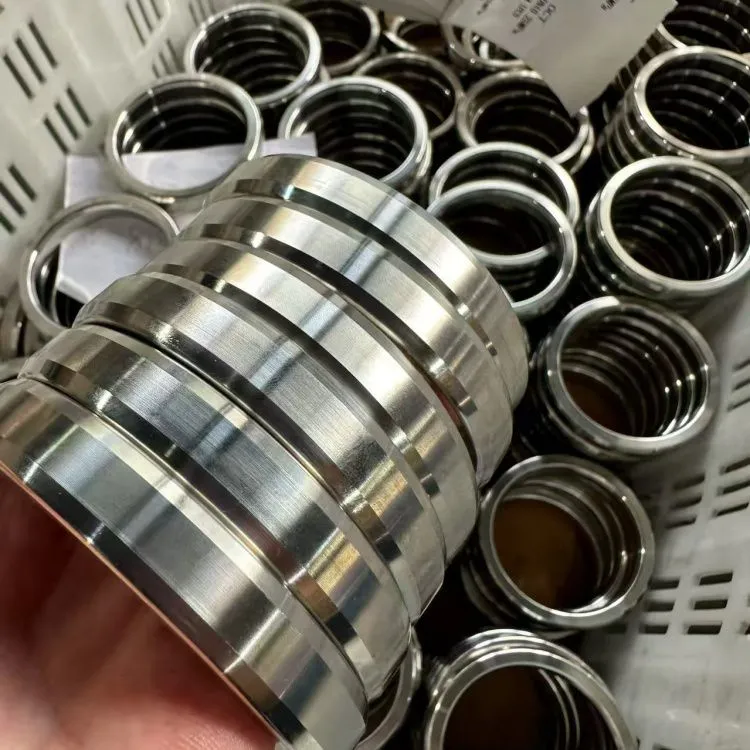
Conclusion: The Engineering Rationality Behind Rigid Sealing The widespread application of metal octagonal gaskets reflects a paradigm shift in industrial sealing technology "flexible filling" to "rigid self-tightening." It retains the "rigid" advantages of metal materials, such as high temperature resistance, high pressure resistance, and corrosion resistance, achieving a self-tightening sealing effect through the geometric coupling of trapezoidal grooves and octagonal cross-sections, providing a durable and reliable sealing guarantee under extreme operating conditions. These of rigid sealing enable it to play an irreplaceable role across a wide range of scenarios, from conventional high pressure to ultra-high pressure, and from high temperature to ultra-high temperature.With the continuous explosion of emerging industries such as new energy, deep-sea oil and gas extraction, and supercritical power generation, the performance requirements for metal octagonal gaskets are constantly rising. In future, higher temperature resistance, stronger corrosion resistance, greater intelligence, and more customization will become the main directions for the technological development of metal octagonal gaskets. For engineers and material, a deep understanding of the structural essence, performance boundaries, and selection logic of metal octagonal gaskets will not only help in making better selection decisions for current projects but also reserve key technical to cope with more stringent sealing challenges in the future. Within these seemingly cold metal ring gaskets lies the engineering rationality and scientific spirit of the continuous progress of industrial sealing technology
Recently Posted
-
O-ring: The "Invisible Contract" of Industrial Sealing and the Philosophy of Working Conditions
August 7, 2026In the vast and complex system of industrial equipment, people often marvel at the meshing of precision gears or the pressurebeari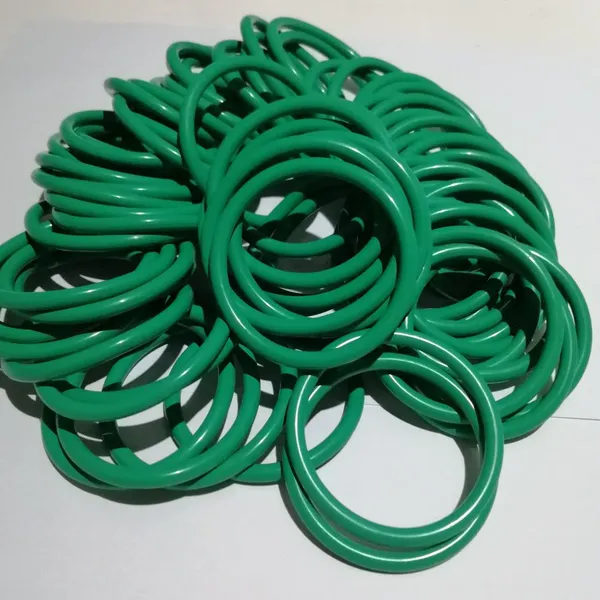 Read More
 -
Nano-aerogel felt: "Super insulation" breaking thermodynamic limits and industrial reshaping
August 7, 2026Under the grand narrative of the global energy structure transition and the "dual carbon" goals, energy conservation and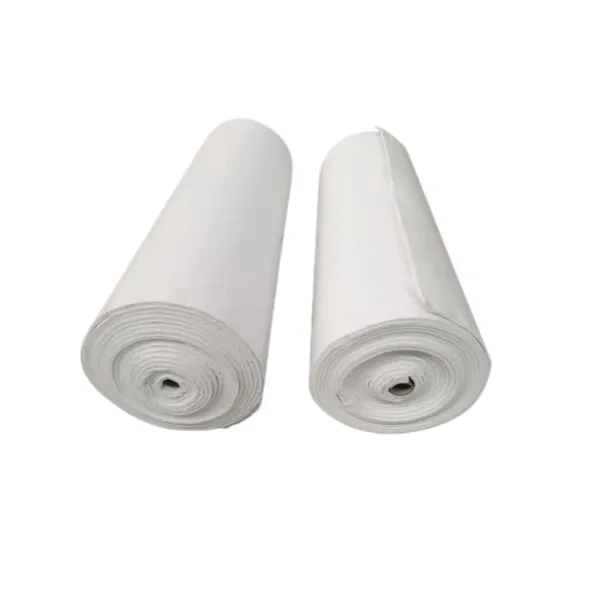 Read More
 -
Aluminum Gaskets: The "Flexible Contract" in Industrial Connections
August 5, 2026In industrial systems such as mechanical manufacturing, petrochemicals, electronics, and aerospace, aluminum gaskets/washers, as f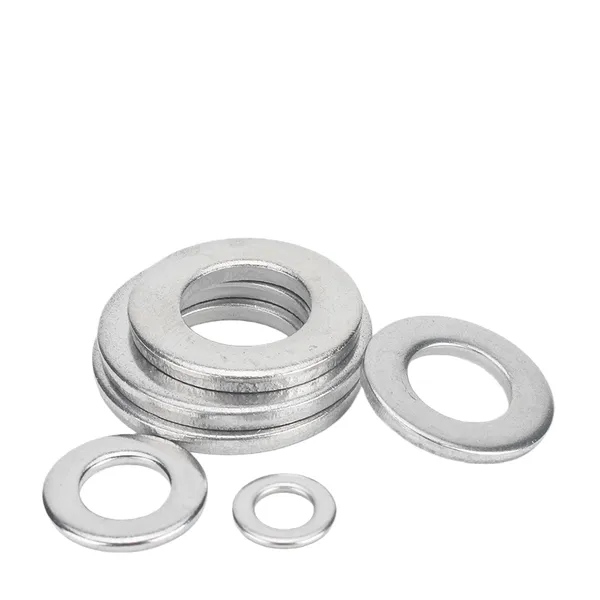 Read More
 -
Qingke Paper: The "Paper Armor" and Insulation Philosophy in the Electronics and New Energy Sectors
August 5, 2026Inside new energy batteries, precision motors, and various electronic and electrical devices, countless tiny components are hidden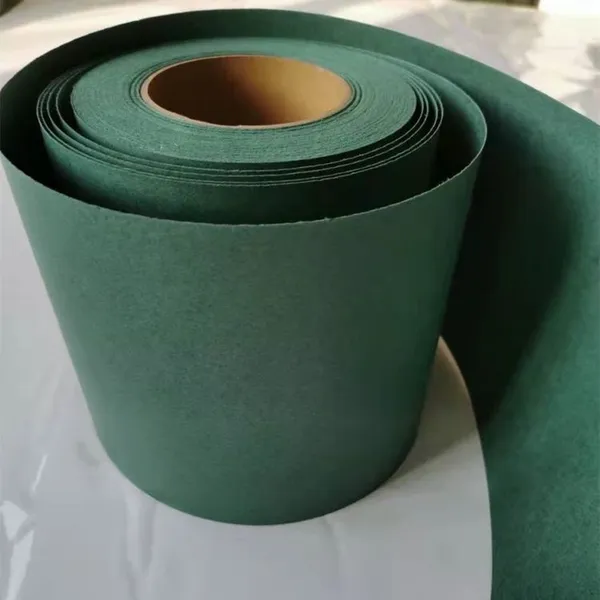 Read More

Contact Us
Recommended Products
-
 Colored Silicone Flat Washer FF Full Surface With Water Line Silicone Pad High Temperature Resistant 230℃ Valve Pipe Sealing GasketNegotiableMOQ: 100 Blades
 -
PTFE Gasket With Holes, National Standard Flange Multi-hole PTFE Sealing GasketNegotiableMOQ: 100 Blades
-
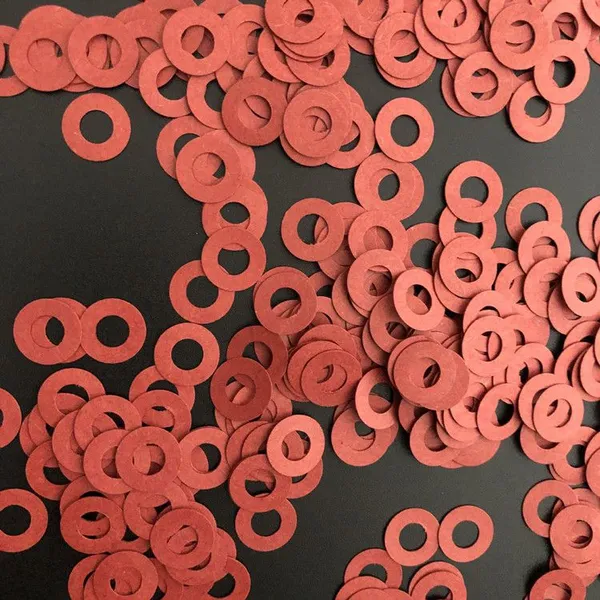
Red Steel Paper Gasket Insulation Flat Washer Red Mica Quick Connector Paper WasherNegotiableMOQ: 100 Blades
-
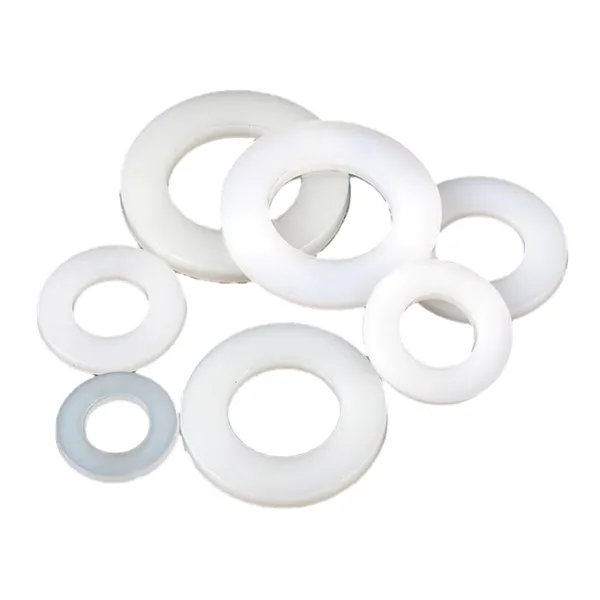
Nylon Washer Black Plastic Flat Washer Insulating Shock-absorbing Wear-resistant Self-lubricatingNegotiableMOQ: 100 Blades
-
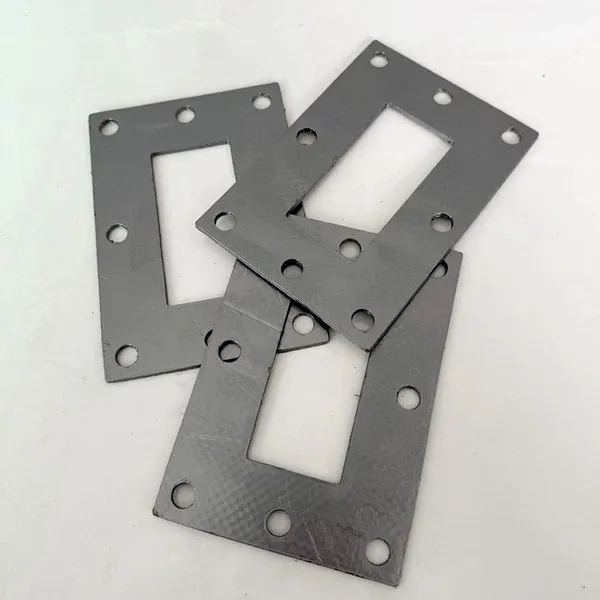
Perforated Graphite Composite Gasket 304 Stainless Steel Reinforced High Temperature and High Pressure Flange Gasket Boiler SteamNegotiableMOQ: 100 Blades
-
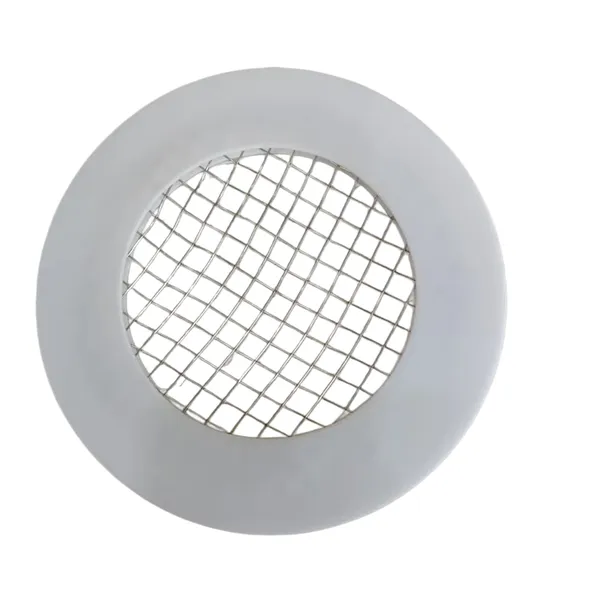
PTFE Filter Gasket With Stainless Steel Mesh; PTFE Filter Sealing Gasket With Stainless Steel MeshNegotiableMOQ: 100 Blades
-
Metal Reinforced PTFE PTFE Gasket Chemical Corrosion Resistant GasketNegotiableMOQ: 100 Blades
-
Reinforced Metal Winding Gasket 304 Stainless Steel Flange Sealing GasketNegotiableMOQ: 100 Blades
-
Filter Mesh Winding Gasket 304 Stainless Steel Inner and Outer Ring GasketNegotiableMOQ: 100 Blades
-
Pure Aluminum Gasket Soft Aluminum Flat Washer 0.1-3mm High Temperature Resistant Sealing Aluminum WasherNegotiableMOQ: 100 Blades
-
Metal Octagonal Ring Gasket Oval Gasket 304/316L Stainless Steel Metal Ring Gasket RJ Flange GasketNegotiableMOQ: 100 Blades
-
Basic Metal Spiral Wound Gasket 304 Graphite Spiral Wound Gasket Tongue and Groove FlangeNegotiableMOQ: 100 Blades
-
Metal Graphite Spiral Wound Gasket High Temperature Flange Pipe Sealing GasketNegotiableMOQ: 50 Blades
-
Stainless Steel Flexible Graphite Corrugated Composite Gasket Irregular Thick Reinforced High Temperature and High Pressure Sealing GasketNegotiableMOQ: 100 Blades
-
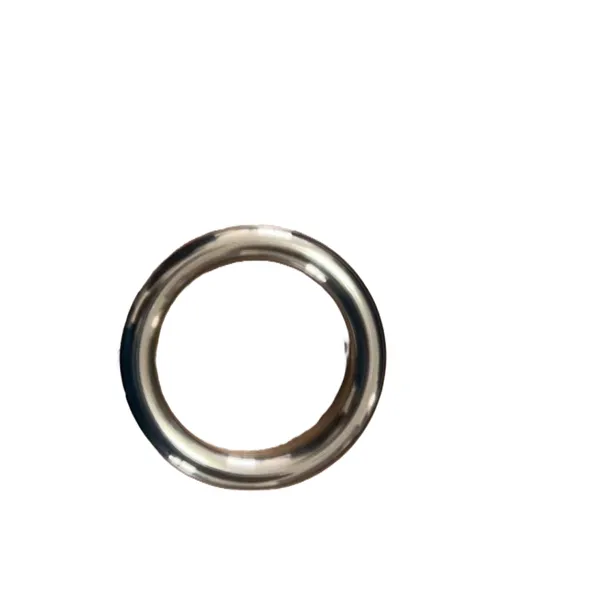
304 Stainless Steel Oval Metal Ring Gasket RJ Flange Oval Gasket High Pressure and High Temperature Resistant Sealing WasherNegotiableMOQ: 10 Units
-
PTFE Gasket, Polytetrafluoroethylene Sealing Gasket, White Teflon Flat Gasket, High Temperature and Acid/alkali Resistant Industrial Flange WasherNegotiableMOQ: 25 Units
-
Elastic Expanded PTFE Gasket Soft Teflon Gasket Pipe Flange Sealing Gasket High and Low Temperature Corrosion Resistant Ready Stock Custom MadeNegotiableMOQ: 25 Units
-
Metal Lens Gasket, No-hole and With-hole Lens Gasket, High-pressure Angle Valve Hydrogen Pipeline Flange Sealing Gasket Custom-madeNegotiableMOQ: 25 Units
-
Metal Serrated Gasket | Wave Profile Composite Gasket for High Temperature and High Pressure Flange SealingNegotiableMOQ: 100 Blades
-
High Temperature and High Pressure Octagonal Ring Joint Gasket Oval Flange Gasket Carbon Steel 304 316 Stainless SteelNegotiableMOQ: 1 Unit