 Business License

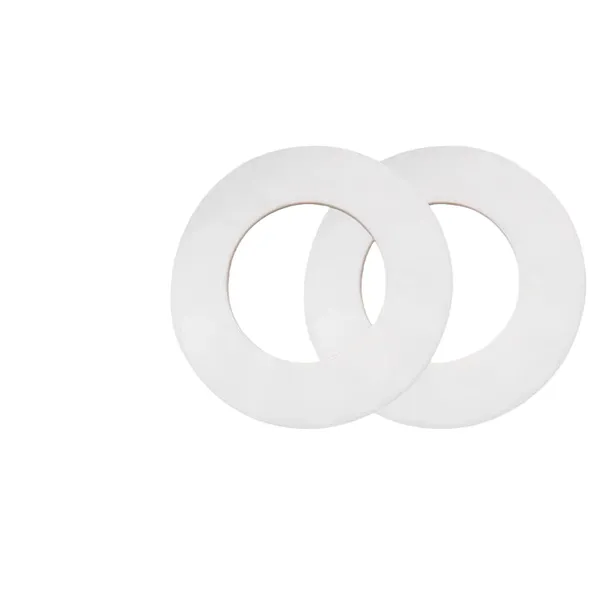
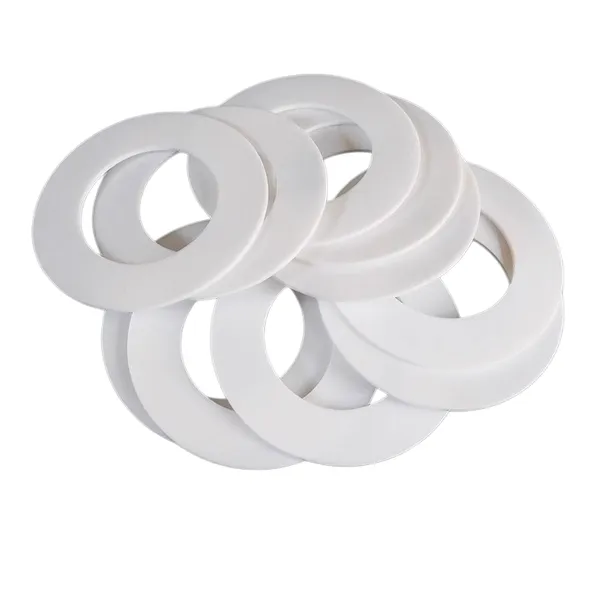
PTFE composite gasket: The "balance of rigidity and flexibility" in chemical sealing
In industrial sectors such as petrochemicals, pharmaceuticals, and semiconductors, where sealing reliability is paramount, the risk of leakage flange connections remains a "Sword of Damocles" hanging over production safety. Faced with highly corrosive media, frequent thermal cycling, and stringent cleanliness requirements, traditional single-material gaskets often into a dilemma: "corrosion resistance comes at the expense of elasticity, while elasticity sacrifices corrosion resistance." As a novel sealing component that perfectly integrates the chemical inertness of polytetrafluoroethylenePTFE) with the elastic recovery of synthetic rubber, the PTFE-Rubber Composite Gasket is reshaping the technical boundaries of modern industrial sealing with its unique "balance of rigidity and flexibility It is not merely a product of materials science, but a concrete embodiment of engineering practice's continuous pursuit of the "zero leakage" goal. Structural Essence: Molecular-Level and Synergy of Macroscopic Performance The core value of the PTFE-rubber composite gasket lies not in the simple physical superposition of PTFE and rubber, but in the molecular-level interfacial achieved through special melt-bonding or co-extrusion processes. This process forms an inseparable whole between the PTFE outer shell and the elastomeric core material (such as EPDM,orubber, or silicone rubber), thoroughly solving the chronic problems of delamination and excessive cold flow common in traditional encapsulated gaskets. As the surface layer in contact with the medium, the PTFE provides near-perfect chemical inertness, capable of withstanding most strong acids, strong alkalis, and organic solvents, except for molten alkali metals and elemental fluorine. Meanwhile, the rubber material endows the gasket with an excellent compression set recovery rate (typically ≥40%) and stress relaxation compensation capability, enabling it to adapt to microscopic irregularities of the flange face and caused by thermal expansion and contraction. This structural synergy also brings significant performance gains. On one hand, the PTFE outer shell effectively suppresses the extrusion and cold flow of the rubber core high pressure, allowing the gasket to maintain a stable sealing pressure ratio even under operating conditions of PN≤25bar. On the other hand, the elasticity of the rubber significantly enhances the's blowout resistance, making it less prone to structural failure under pressure fluctuations or vacuum conditions. Some advanced products further reduce bolt torque requirements by 75% through built-in antideformation protection mechanisms or raised labyrinth seal ring designs. While ensuring sealing reliability, this significantly alleviates the mechanical load on flanges and bolts, extending the service life of the entire connection system
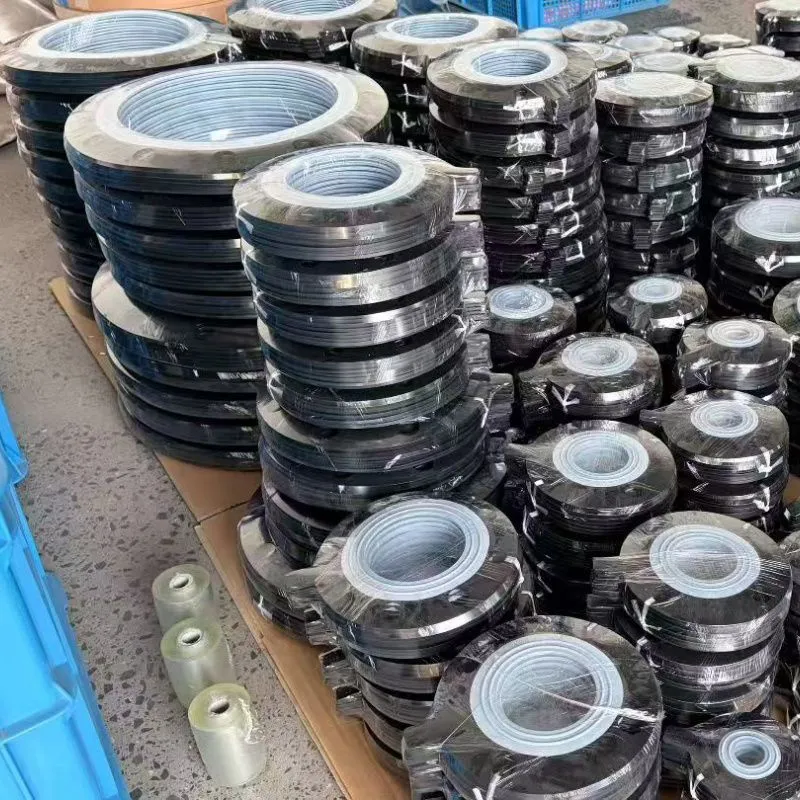
Performance Boundaries: A Rational Understanding of Advantages and Limitations The advantages of PTFE composite gaskets are irreplaceable under specific operating conditions. Their temperature resistance covers -180°C to 260°C (up to 300°C for special materials), far exceeding ordinary rubber gaskets; their corrosion resistance comparable to pure PTFE, yet they avoid the installation difficulties and sealing failure risks caused by the lack of elasticity in pure PTFE gaskets; meanwhile, the 100% pure PTFE sealing provides a clean, contamination-free contact interface, perfectly meeting the stringent GMP standards and cleanliness requirements of the pharmaceutical, food, and semiconductor industries. In practical applications, their sealing life reach over 3 years, with the leakage rate controllable below 0.005%, significantly reducing equipment maintenance costs and the risk of unplanned downtime. However, engineers also need maintain a clear understanding of their limitations. First, their upper temperature limit (260°C-300°C) is still lower than that of flexible graphite gaskets (50°C) and metal-wound gaskets (650°C ), requiring cautious use in ultra-high temperature conditions; second, although their compressive strength is superior pure PTFE, it is still lower than that of metal gaskets, making them not the optimal solution in ultra-high pressure scenarios where PN > 25 bar; furthermore, their highly depends on the quality of the composite process, and inferior products are prone to issues such as delamination and leakage, with initial procurement costs higher than ordinary rubber gaskets. In addition although they are reusable, their sealing performance will still deteriorate after exposure to high temperatures, high pressures, or highly corrosive media, requiring an assessment of reuse risks based on operating conditions to leakage accidents caused by blind reuse.
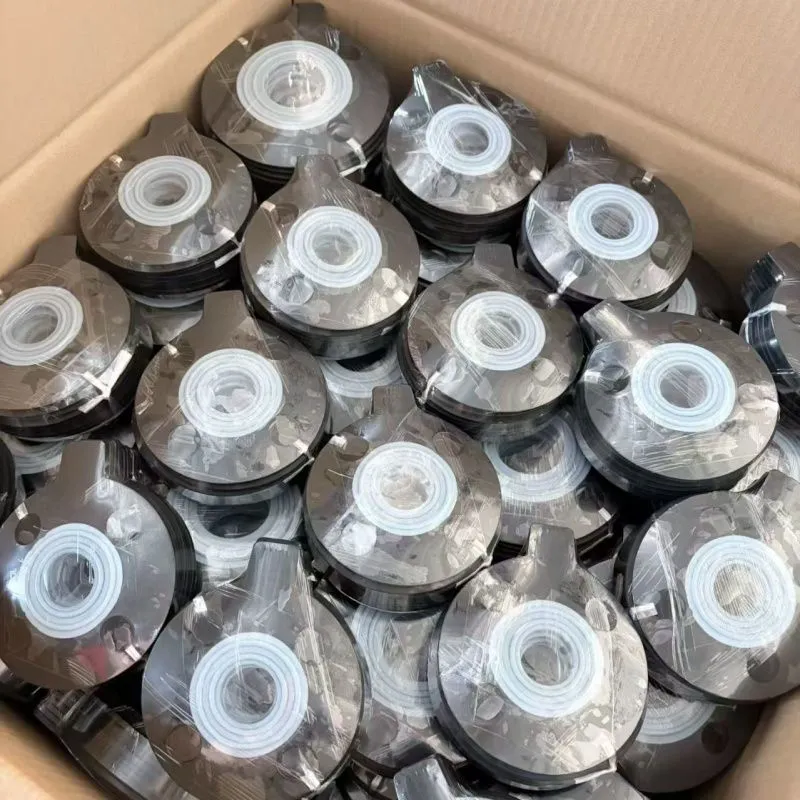
Scenario Adaptation: Precise Selection from General Working Conditions to High-End Compliance The application scenarios of PTFE-rubber composite gaskets are highly, and selection must strictly follow the four-dimensional matching principle of "medium-temperature-pressure-compliance". In sealing conventional corrosive media within the chemical and petrochemical industries, EPDMPTFE composite gaskets have become the mainstream choice for DN15-DN5000 flange connections due to their excellent acid and alkali resistance and cost-effectiveness; in highend compliance scenarios such as pharmaceuticals, food, and semiconductors, priority should be given to products certified by ISO9001, API, and GMP to ensure the materials are nontoxic and free of harmful substance release, with dimensional accuracy controlled within ±0.1mm to adapt to equipment with extremely high cleanliness requirements like reaction vessels and purified water systems; under working conditions such as power plant desulfurization and marine propulsion systems, attention must be paid to the gasket's vibration resistance and strong corrosion resistance, selecting manufacturers certified by classification societies or of providing 1-to-1 customized technical solutions to ensure long-term reliability under complex loads. It is worth noting that PTFE-rubber composite gaskets are not "universal". Under extreme working conditions where the temperature exceeds 300°C, pressure exceeds 25 bar, or the medium is molten alkali metal or elemental fluorine, flexible graphite, metal-wound gaskets, or pure PTFE gaskets should be decisively chosen as alternatives. When selecting, one must abandon "price-only" and "brand-only" theories, conduct a comprehensive evaluation combining specific working condition parameters, compliance requirements, and total life-cycle costs to avoid engineering risks caused by performance excess or deficiency
Technological Evolution: A Paradigm Shift from Passive Sealing to Active Adaptation With the iterative development of materials science and technology, PTFE composite gaskets are evolving towards higher performance, greater intelligence, and better environmental friendliness. At the material level, the R&D of new fluororubber and silicone rubber core has further expanded the temperature and media resistance range of gaskets; at the structural level, innovative designs such as built-in springs, labyrinth sealing rings, and anti-deformation protection have enabled gaskets to shift from "passive filling" to "active adaptation," maintaining stable sealing performance under dynamic operating conditions like thermal cycling and pressure fluctuations; at the compliance level, as regulations and industry standards continue to tighten, features such as zero hazardous substance release and recyclability are becoming core elements of product competitiveness. Meanwhile, the integration of digital technology has brought a paradigm to the selection and application of PTFE composite gaskets. By establishing gasket performance databases and operating condition matching models, engineers can input parameters such as media, temperature, and pressure online quickly obtain the optimal selection solution; through embedded sensors and IoT technology, the sealing status of gaskets can be monitored and warned in real-time, achieving a transformation from "post-repair to "predictive maintenance." These technological evolutions not only expand the performance boundaries of PTFE composite gaskets but also drive the paradigm shift of industrial sealing from "experience-driven" todata-driven." Selection Pitfalls: Key Cognitions and Risk Avoidance in Engineering Practice In actual engineering applications, there are many cognitive misconceptions regarding the selection and use of composite gaskets, requiring focus on three core risk points. First, performance mislabeling caused by "ignoring process verification": to reduce costs, some manufacturers adopt inferior composite processes leading to gaskets that are prone to delamination and significant cold flow. During selection, it is necessary to require manufacturers to provide third-party test reports (including data on temperature resistance corrosion resistance, compression set, etc.) and conduct on-site sample testing to verify sealing performance under simulated project operating conditions; second, leakage risks caused by "blind reuse": although composite gaskets are reusable, their sealing performance will decay after exposure to high temperature, high pressure, or strongly corrosive media. Strict visual inspection and performance testing must be conducted before reuse to leakage accidents caused by blind reuse; third, early failure caused by "ignoring installation specifications": PTFE composite gaskets have high requirements for flange flatness and bolt tightening uniformity. During installation a diagonal cross-tightening method with incremental steps must be adopted to ensure uniform force distribution on the flange face and avoid off-center loading and deformation of the gasket
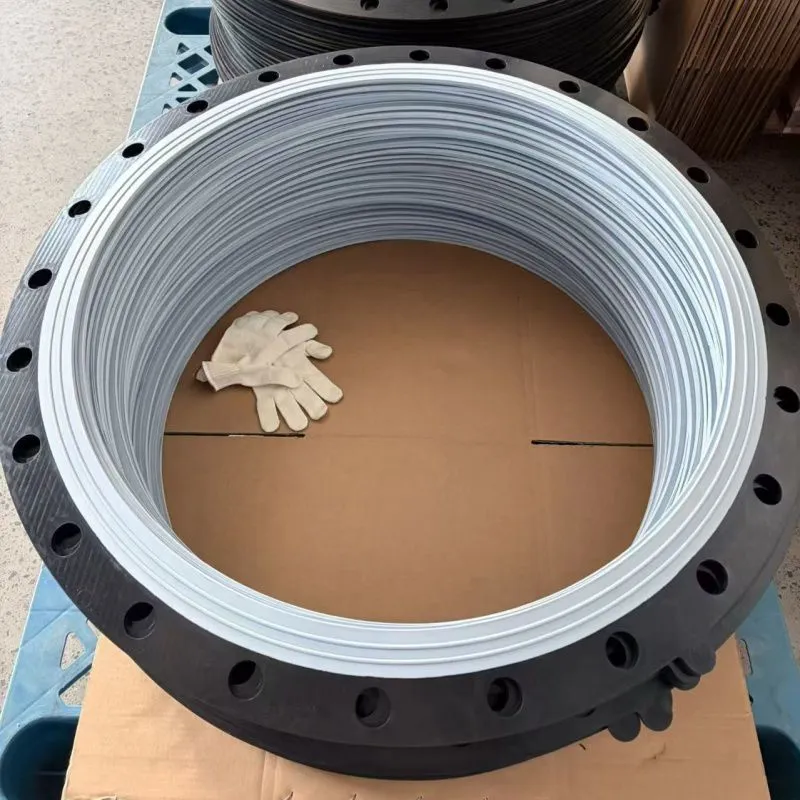
Conclusion: The Engineering Philosophy Behind the Balance of Rigidity and Flexibility The widespread application of PTFE-rubber composite gaskets reflects a paradigm shift in industrial sealing technology from "extreme optimization of a single performance" to "synergistic optimization of multiple performances." It retains both the chemical inertness of PTFE and the elastic recovery of, while achieving performance synergy between the two through a molecular-level fusion process, finding an exquisite balance among multiple requirements such as corrosion resistance, temperature resistance, elasticity, and cleanliness. characteristic of balanced rigidity and flexibility enables it to continuously play an irreplaceable sealing role across a broad spectrum of scenarios, from conventional chemical industries to high-end compliance applications. With the continuous explosion emerging industries such as new energy, biopharmaceuticals, and semiconductors, the performance requirements for PTFE-rubber composite gaskets are also constantly climbing. In the future, higher temperature resistance, corrosion resistance, greater intelligence, and better environmental friendliness will become the main directions for the technological development of PTFE-rubber composite gaskets. For engineers and material researchers, deeply understanding the structural, performance boundaries, and selection logic of PTFE-rubber composite gaskets not only helps in making better selection decisions for current projects but also reserves critical technical knowledge to cope with more stringent sealing in the future. Within these seemingly ordinary composite gaskets lies the engineering philosophy and scientific spirit that drive the continuous progress of industrial sealing technology
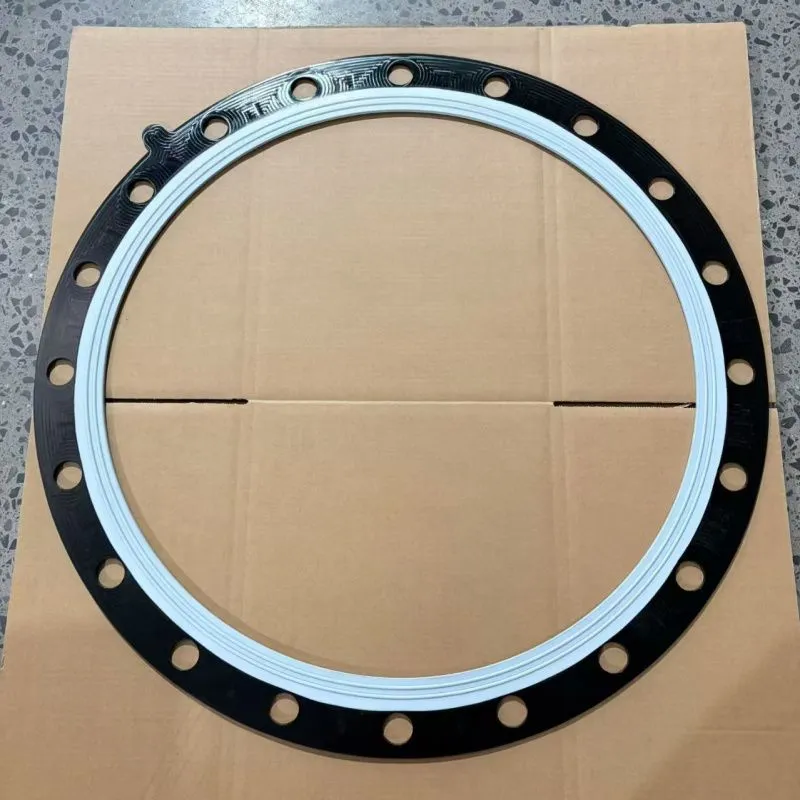
Recently Posted
-
O-ring: The "Invisible Contract" of Industrial Sealing and the Philosophy of Working Conditions
August 7, 2026In the vast and complex system of industrial equipment, people often marvel at the meshing of precision gears or the pressurebeari Read More
 -
Nano-aerogel felt: "Super insulation" breaking thermodynamic limits and industrial reshaping
August 7, 2026Under the grand narrative of the global energy structure transition and the "dual carbon" goals, energy conservation and Read More
 -
Aluminum Gaskets: The "Flexible Contract" in Industrial Connections
August 5, 2026In industrial systems such as mechanical manufacturing, petrochemicals, electronics, and aerospace, aluminum gaskets/washers, as f Read More
 -
Qingke Paper: The "Paper Armor" and Insulation Philosophy in the Electronics and New Energy Sectors
August 5, 2026Inside new energy batteries, precision motors, and various electronic and electrical devices, countless tiny components are hidden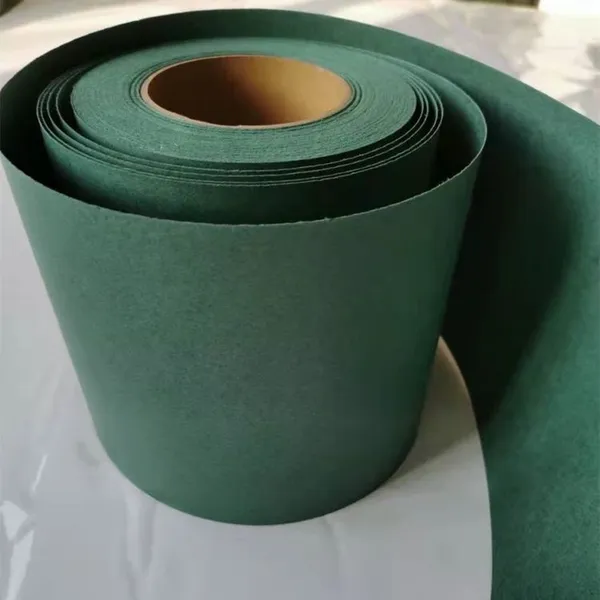 Read More

Contact Us
Recommended Products
-
 Colored Silicone Flat Washer FF Full Surface With Water Line Silicone Pad High Temperature Resistant 230℃ Valve Pipe Sealing GasketNegotiableMOQ: 100 Blades
 -
PTFE Gasket With Holes, National Standard Flange Multi-hole PTFE Sealing GasketNegotiableMOQ: 100 Blades
-
Red Steel Paper Gasket Insulation Flat Washer Red Mica Quick Connector Paper WasherNegotiableMOQ: 100 Blades
-
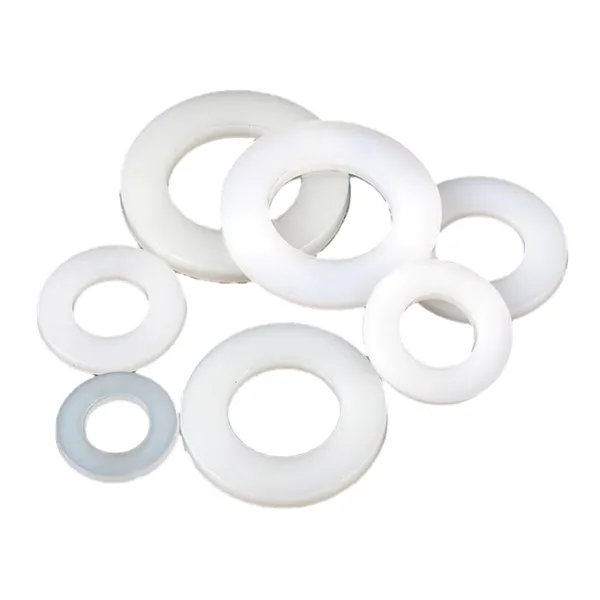
Nylon Washer Black Plastic Flat Washer Insulating Shock-absorbing Wear-resistant Self-lubricatingNegotiableMOQ: 100 Blades
-
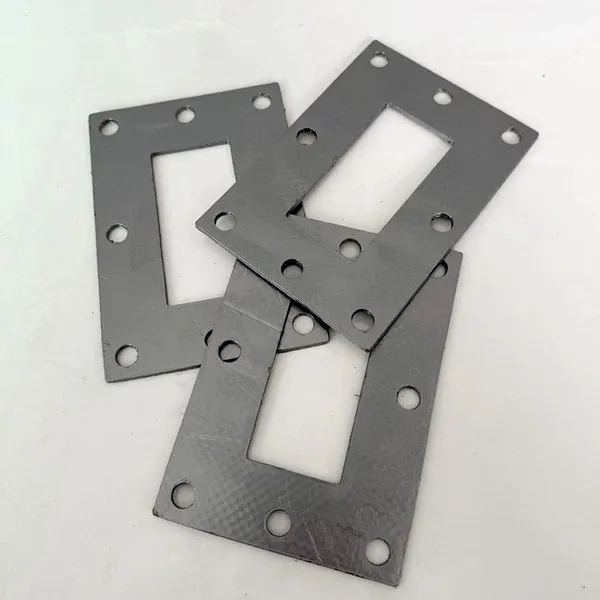
Perforated Graphite Composite Gasket 304 Stainless Steel Reinforced High Temperature and High Pressure Flange Gasket Boiler SteamNegotiableMOQ: 100 Blades
-
PTFE Filter Gasket With Stainless Steel Mesh; PTFE Filter Sealing Gasket With Stainless Steel MeshNegotiableMOQ: 100 Blades
-
Metal Reinforced PTFE PTFE Gasket Chemical Corrosion Resistant GasketNegotiableMOQ: 100 Blades
-
Reinforced Metal Winding Gasket 304 Stainless Steel Flange Sealing GasketNegotiableMOQ: 100 Blades
-
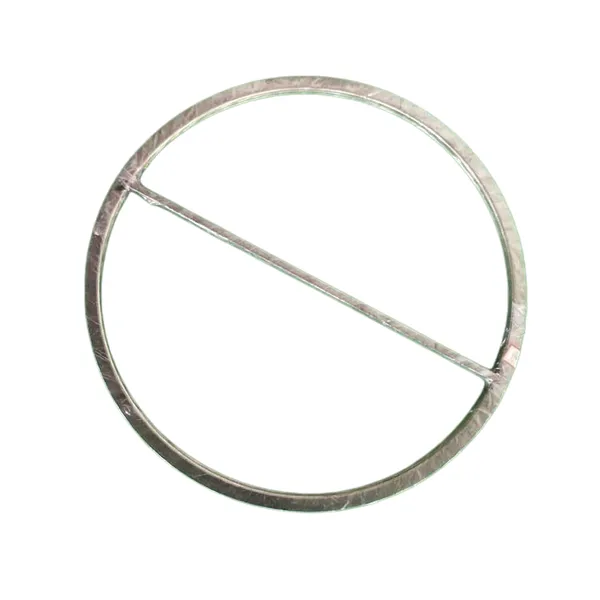
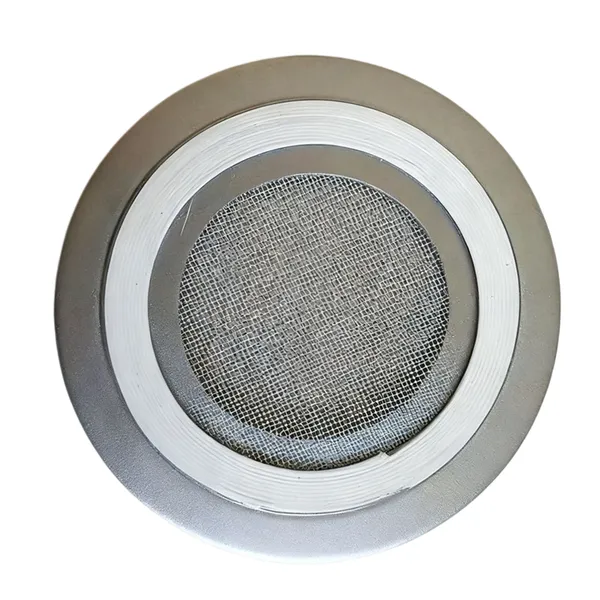
Filter Mesh Winding Gasket 304 Stainless Steel Inner and Outer Ring GasketNegotiableMOQ: 100 Blades
-
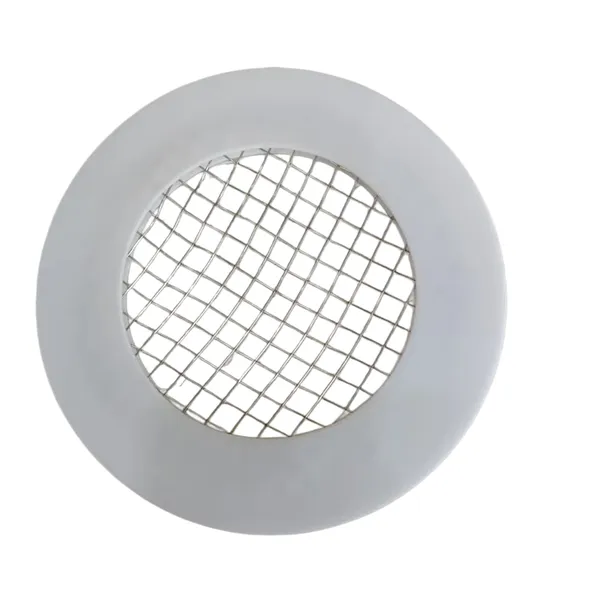
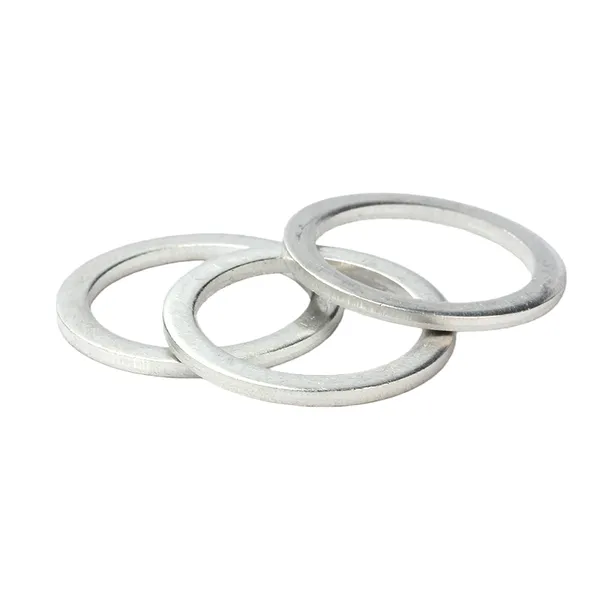
Pure Aluminum Gasket Soft Aluminum Flat Washer 0.1-3mm High Temperature Resistant Sealing Aluminum WasherNegotiableMOQ: 100 Blades
-
Metal Octagonal Ring Gasket Oval Gasket 304/316L Stainless Steel Metal Ring Gasket RJ Flange GasketNegotiableMOQ: 100 Blades
-
Basic Metal Spiral Wound Gasket 304 Graphite Spiral Wound Gasket Tongue and Groove FlangeNegotiableMOQ: 100 Blades
-
Metal Graphite Spiral Wound Gasket High Temperature Flange Pipe Sealing GasketNegotiableMOQ: 50 Blades
-
Stainless Steel Flexible Graphite Corrugated Composite Gasket Irregular Thick Reinforced High Temperature and High Pressure Sealing GasketNegotiableMOQ: 100 Blades
-
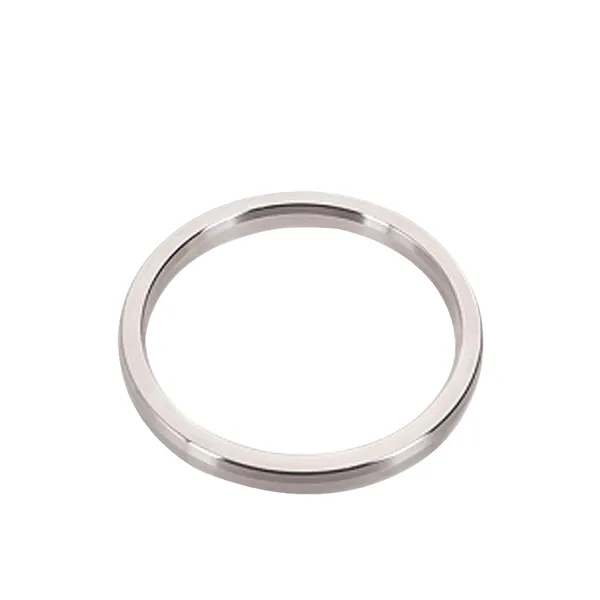
304 Stainless Steel Oval Metal Ring Gasket RJ Flange Oval Gasket High Pressure and High Temperature Resistant Sealing WasherNegotiableMOQ: 10 Units
-
PTFE Gasket, Polytetrafluoroethylene Sealing Gasket, White Teflon Flat Gasket, High Temperature and Acid/alkali Resistant Industrial Flange WasherNegotiableMOQ: 25 Units
-
Elastic Expanded PTFE Gasket Soft Teflon Gasket Pipe Flange Sealing Gasket High and Low Temperature Corrosion Resistant Ready Stock Custom MadeNegotiableMOQ: 25 Units
-
Metal Lens Gasket, No-hole and With-hole Lens Gasket, High-pressure Angle Valve Hydrogen Pipeline Flange Sealing Gasket Custom-madeNegotiableMOQ: 25 Units
-
Metal Serrated Gasket | Wave Profile Composite Gasket for High Temperature and High Pressure Flange SealingNegotiableMOQ: 100 Blades
-
High Temperature and High Pressure Octagonal Ring Joint Gasket Oval Flange Gasket Carbon Steel 304 316 Stainless SteelNegotiableMOQ: 1 Unit