 Business License

6 common troubleshooting solutions for PTFE-coated gaskets!
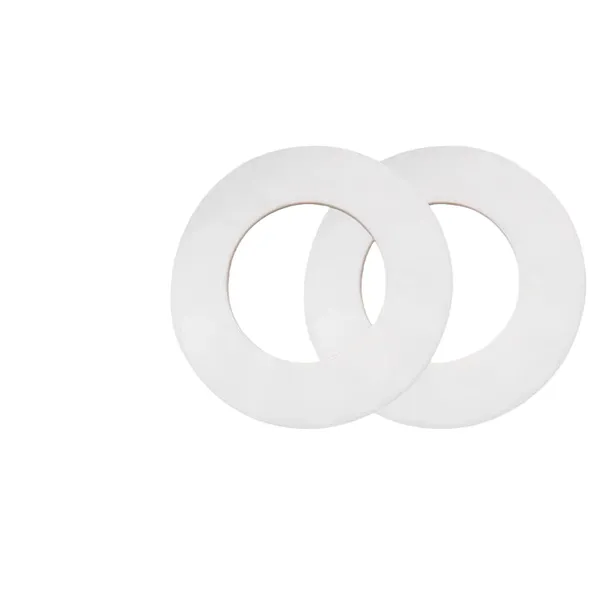
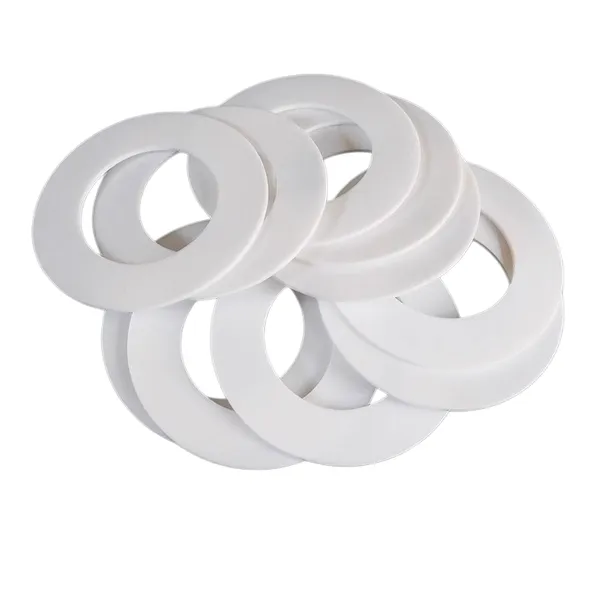
PTFE-enveloped gaskets (PTFE-enveloped gaskets) are specialized sealing components for chemical, pickling, pharmaceutical, and corrosive media piping Featuring a composite structure with an outer PTFE anti-corrosion layer and an inner elastic filling, they perfectly solve industry pain points such as pure PTFE gaskets being too hard with no resilience, and rubber gaskets lacking corrosion resistance, making them the preferred choice for flange sealing in acid, alkali, and solvent media. However, many on-site technicians encounter the same problems: leaks upon new installation but leaking during operation; intact at low temperatures but failing at high temperatures; looking intact on the outside while already failed and leaking internally. Most people mistakenly assume it is gasket quality issue, but in reality, 90% of PTFE-enveloped gasket failures are caused by wrong structural selection, mismatched operating conditions, improper installation and pressurization, and thermal. Today, we have compiled the top 6 common problems with the highest rework rates at construction sites, breaking down each phenomenon, core cause, and permanent solution. This is purely practical guide; after reading it, you will completely say goodbye to sealing hazards of enveloped gaskets.
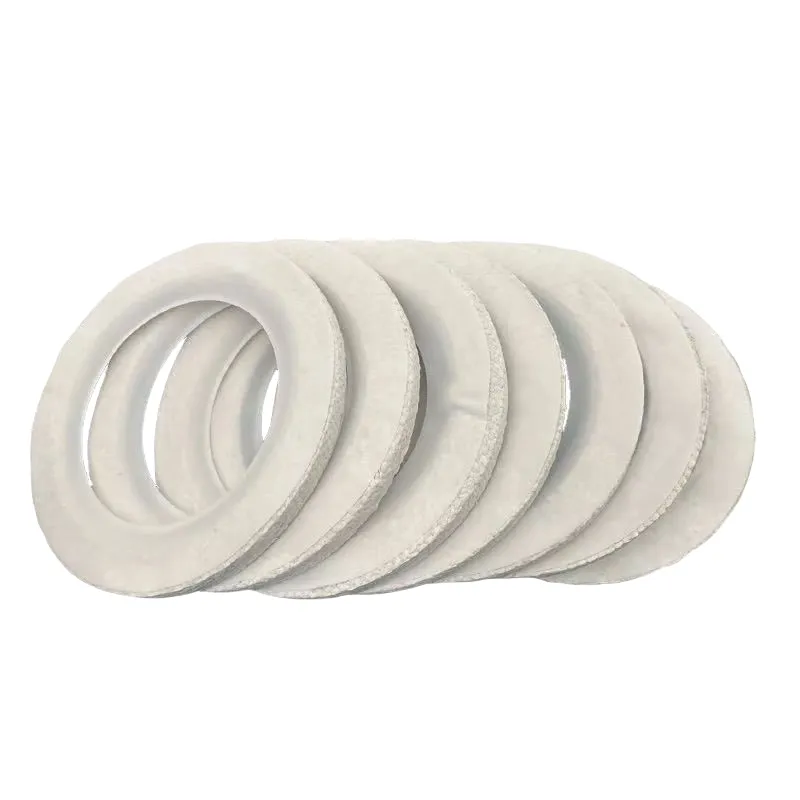
Problem 1: Intact surface, continuous internal seepage and micro-leakage (most hidden failure) Field phenomenon: gasket appearance is intact without damage, and the pressure test is qualified. After a few days of equipment operation, slow seepage and air leakage occur, with pressure stabilization and drop. After, the interlayer is found to be damp and containing accumulated media. Core reasons - The PTFE-enveloped gasket has a composite structure, poor edge sealing process, and cracked edge, allowing media to seep into the interlayer from the side. - Uneven bolt tightening leads to insufficient local pressure, causing the surface and inner core to separate and form a seepage channel - The flange face has fine scratches and gaps, allowing media to penetrate into the gasket interlayer over a long period. Thorough solutions - Prioritize selecting integral hot-pressed-sealed PTFE-enveloped gaskets to eliminate side gap seepage, and reject simple cut-to-size products without edge sealing. - Thoroughly grind and clean the flange sealing surface to remove rust, scratches, and old gasket residue. - Use a diagonal multi-stage tightening method to apply even pressure, ensuring the PTFE surface and internal filler core are tightly bonded withoutamination gaps.
Problem 2: High-temperature bulging, bubbling, and surface cracking/peeling Field phenomenon: Normal use at room temperature. After the equipment heats up and operates at, bubbles bulge on the gasket surface, or local bulging occurs. In severe cases, the PTFE surface cracks and peels off, leading to direct leakage. Core reasons - The filler core has low temperature resistance; under high temperatures, the material volatilizes, generates gas, and expands, pushing up the PTFE surface. - The interlayer of inferior enveloped gaskets contains water and impurities which vaporize when heated to form bulges. - Using ordinary room-temperature enveloped gaskets in over-temperature operating conditions, as the structural strength cannot adapt to the high- environment. Thorough solutions - For operating conditions with temperatures >120°C, prohibit the use of ordinary rubber-core enveloped gaskets, and replace them with high- resistant graphite-core or fiberglass-core PTFE-enveloped gaskets. - Select high-temperature integral composite process gaskets to eliminate water and impurity accumulation in the interlayer. - Strictly rapid temperature increases for equipment; use slow gradient heating to reduce thermal shock to the structure.
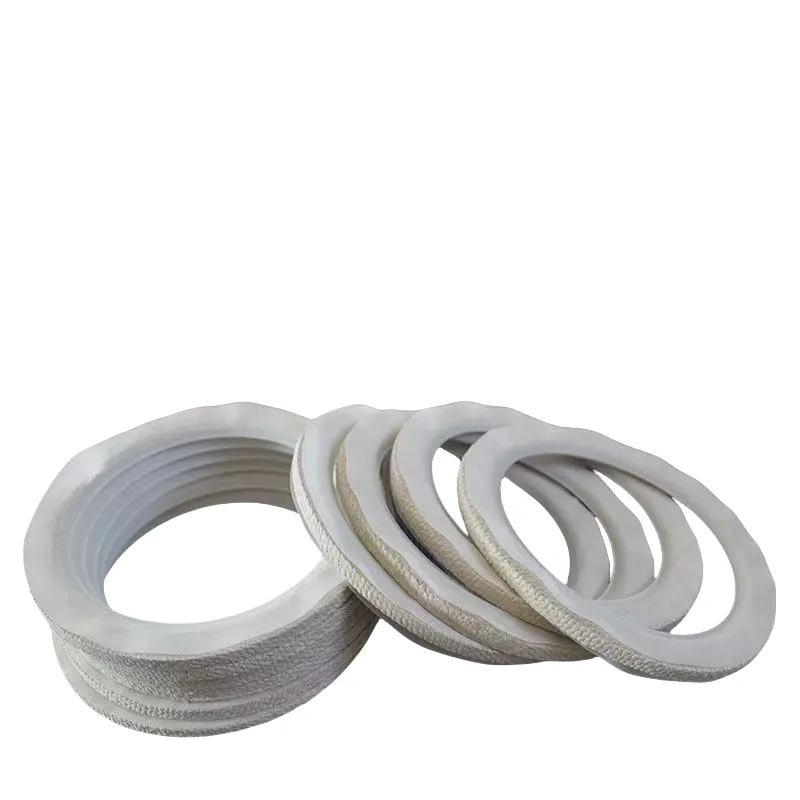
Question 3: Cold flow deformation, gasket thinning, and long-term pressure retention leakage Field: Newly installed gaskets are full and tight. After 1-3 months of operation, they are completely flattened, the thickness decreases, and the rebound disappears. There is no damage, but continuous micro-leakage occurs, leading to pressure retention failure. Core reason The inherent cold flow creep characteristic of PTFE material. Under long-term high-pressure, the surface PTFE slowly flows and extends, the internal filler core is compacted, and the sealing stress continuously decays. This is the most typical inherent defect of wrapped gaskets. Th solution - For long-term high-pressure and constant-pressure operating conditions, select modified anti-creep PTFE wrapped gaskets to improve structural stability. - After the initial heating and the equipment, hot tightening must be performed to compensate for the loss of preload caused by cold flow deformation. - Regular inspection and replacement are required. Compacted and deformed gaskets have ability to recover their rebound and are strictly prohibited from being reused.
Question 4: Delamination, debonding, and delamination failure under alternating cold and hot Field phenomenon: Equipment frequently starts and stops, alternating between cold and hot. The gasket experiences separation between the surface PTFE and the inner core, edge debonding, and del lifting, resulting in complete sealing failure. Core reason - Different thermal expansion coefficients between the surface PTFE and the internal filler core cause repeated stretching and compression during thermal cycling. Low-end bonded gaskets are simply adhered without high-temperature composite bonding, resulting in extremely poor fatigue resistance. - Excessive installation pressure exceeds the bearing limit of the gasket's composite, accelerating delamination. Thorough solution - For equipment with frequent starts/stops and alternating cold/hot conditions, select high-temperature hot-pressed composite PTFE wrapped gaskets, are integrally formed and do not delaminate. - Strictly control bolt preload and apply pressure uniformly to avoid local overpressure pulling and delamination. - Absolutely avoid using lowpriced adhesive-bonded simple wrapped gaskets for dynamic operating conditions.
Question 5: Suction flattening, collapse, and air leakage under negative pressure and vacuum conditions phenomenon: Vacuum equipment and negative pressure pipelines operate unstably, failing to maintain pressure. After disassembly, the gasket is found to be collapsed and sucked inward, with structural deformation that cannot restored. Core reason Ordinary PTFE wrapped gaskets are relatively soft and lack sufficient rigidity. Under negative pressure suction, the soft composite structure is easily sucked into the pipeline, leading to sealing and vacuum loss. Thorough solution - Exclusive selection for negative pressure and vacuum conditions: PTFE wrapped gaskets with a rigid reinforced core to improve resistance to negative pressure and collapse. - Prior selecting gaskets with moderate thickness and dense structure to avoid overly thick soft gaskets that are prone to deformation. - Ensure the gasket is completely centered during installation and the flange fits tightly gaps or overhangs.
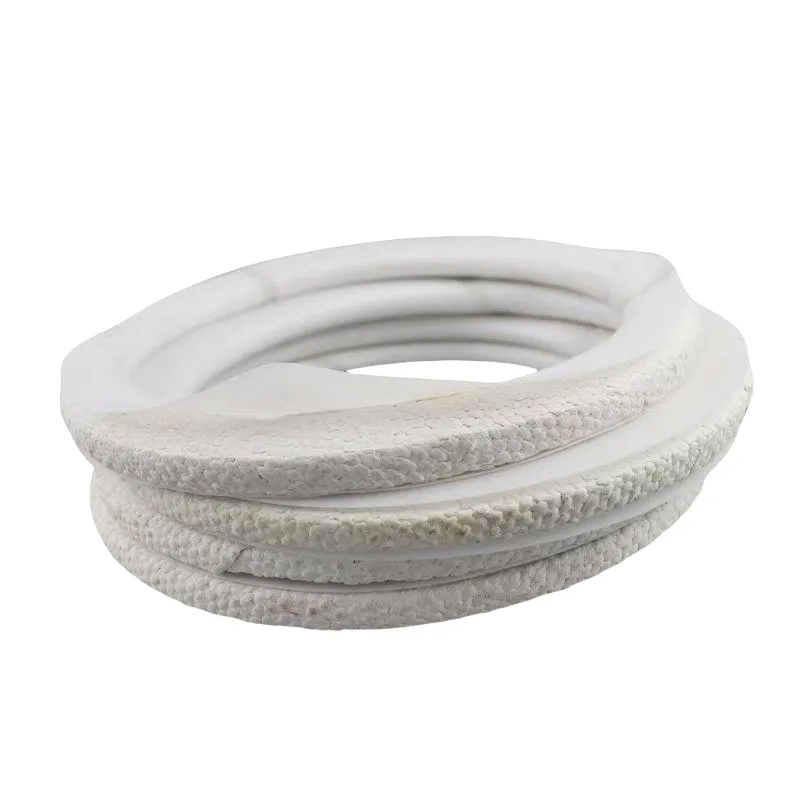
Question 6: Corrosion resistance failure, surface whitening, and corrosion penetration Field phenomenon: After operating with acid, alkali, or solvent media for a period the gasket surface turns white, loses its gloss, and slightly swells. The medium penetrates the surface to corrode the inner core, resulting in leakage. Core reason - Low purity of PTFE containing impurities, leading to substandard corrosion resistance. - Misuse of ordinary wrapped gaskets in highly corrosive conditions, making them unable to withstand strong acids, alkalis, or organic solvent. - Fine scratches or damage on the surface allow the medium to penetrate and corrode the interlayer. Thorough solution - For highly corrosive chemical conditions, select high-p PTFE wrapped gaskets and eliminate low-purity surface materials. - Handle with care during transport and installation; do not scratch or bump the gasket surface with hard objects. - G with surface whitening, swelling, or damage must be replaced immediately to avoid sudden leakage failures.
PTFE-enveloped gasket selection mnemonic (direct application) - Normal temperature, weak acid/alkali, conventional corrosion resistance: Ordinary rubber core-enveloped gasket - High temperature, steam, alternating hot and cold: Graphite/fiberglass high-temperature resistant enveloped gasket - High pressure, long-term pressure retention conditions: Anti flow modified PTFE-enveloped gasket - Negative pressure vacuum equipment: Reinforced hard core PTFE-enveloped gasket - Strong acid/alkali, organic solvents: High-purity composite PTFE-enveloped gasket Summary at the end The core causes of all PTFE-enveloped gasket failures are only three: wrong structure selection, poor manufacturing process, and installation. It combines the corrosion resistance of PTFE with the elasticity of the inner core, making it the optimal sealing solution for corrosive conditions, but its shortcomings are also obvious: sensitive to-temperature, cold flow under high pressure, thermal delamination, and edge leakage. As long as the correct structure is selected based on temperature, pressure, and medium, and uniform tightening hot-state retightening, and standardized installation are performed, all problems such as delamination, bulging, leakage, collapse, and premature aging can be completely solved, significantly reducing equipment costs. If you are unsure about specific operating parameters, feel free to leave a message for discussion, and we will provide a one-on-one customized PTFE-enveloped model.
Recently Posted
-
O-ring: The "Invisible Contract" of Industrial Sealing and the Philosophy of Working Conditions
August 7, 2026In the vast and complex system of industrial equipment, people often marvel at the meshing of precision gears or the pressurebeari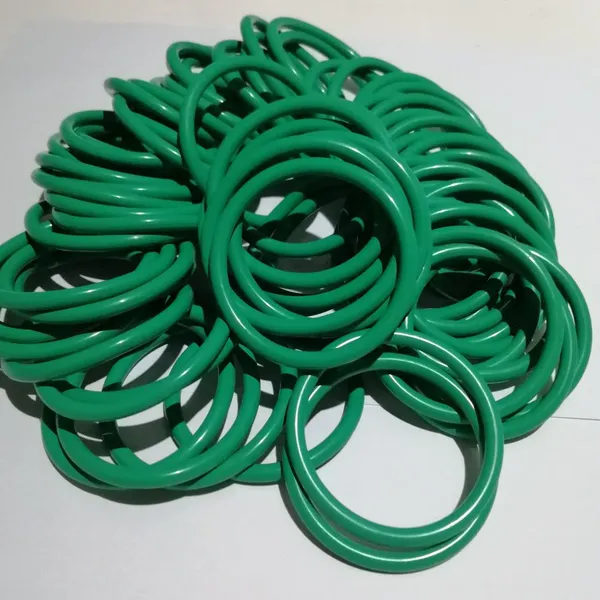 Read More
 -
Nano-aerogel felt: "Super insulation" breaking thermodynamic limits and industrial reshaping
August 7, 2026Under the grand narrative of the global energy structure transition and the "dual carbon" goals, energy conservation and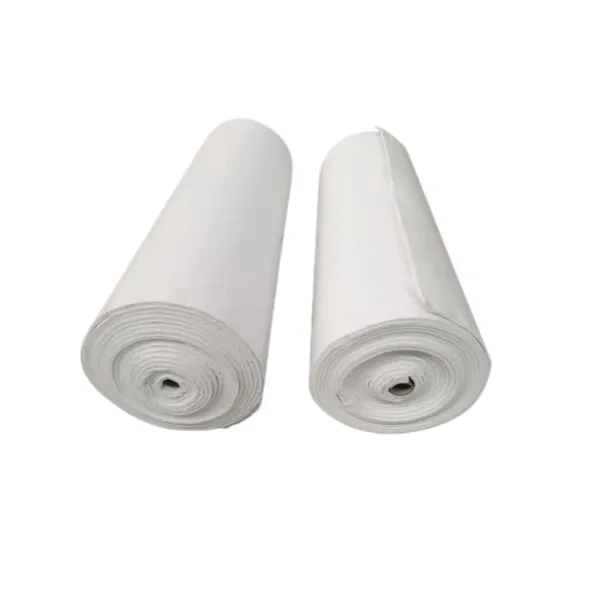 Read More
 -
Aluminum Gaskets: The "Flexible Contract" in Industrial Connections
August 5, 2026In industrial systems such as mechanical manufacturing, petrochemicals, electronics, and aerospace, aluminum gaskets/washers, as f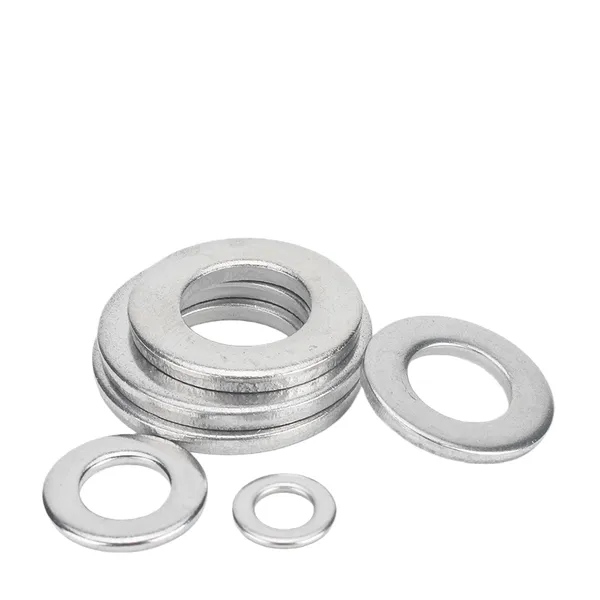 Read More
 -
Qingke Paper: The "Paper Armor" and Insulation Philosophy in the Electronics and New Energy Sectors
August 5, 2026Inside new energy batteries, precision motors, and various electronic and electrical devices, countless tiny components are hidden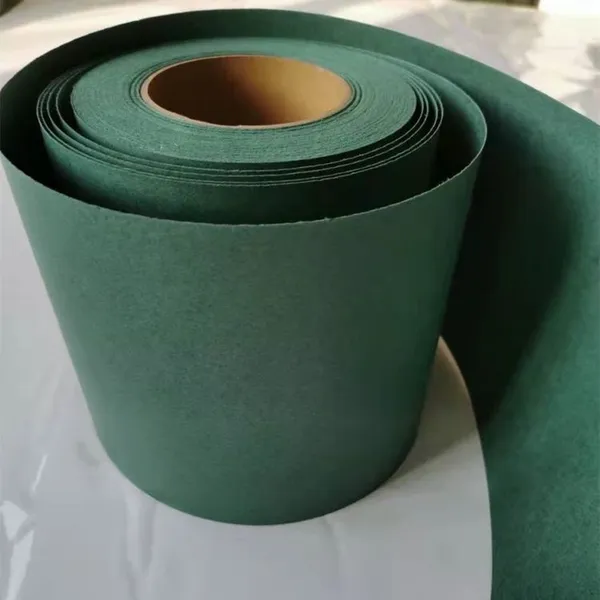 Read More

Contact Us
Recommended Products
-
 Colored Silicone Flat Washer FF Full Surface With Water Line Silicone Pad High Temperature Resistant 230℃ Valve Pipe Sealing GasketNegotiableMOQ: 100 Blades
 -
PTFE Gasket With Holes, National Standard Flange Multi-hole PTFE Sealing GasketNegotiableMOQ: 100 Blades
-
Red Steel Paper Gasket Insulation Flat Washer Red Mica Quick Connector Paper WasherNegotiableMOQ: 100 Blades
-
Nylon Washer Black Plastic Flat Washer Insulating Shock-absorbing Wear-resistant Self-lubricatingNegotiableMOQ: 100 Blades
-
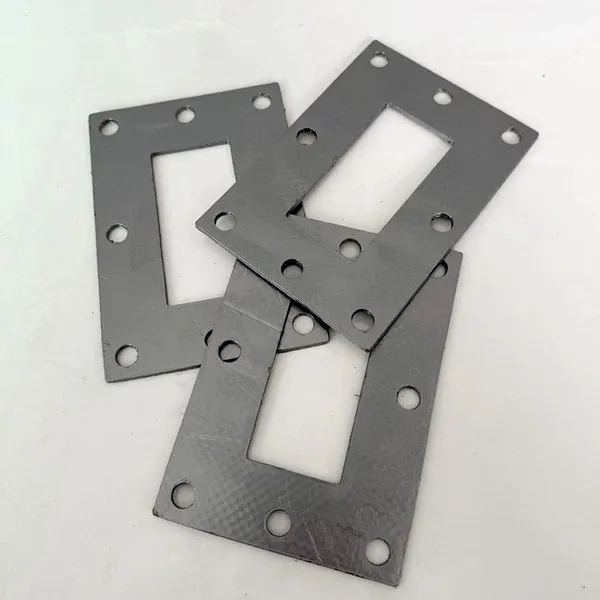
Perforated Graphite Composite Gasket 304 Stainless Steel Reinforced High Temperature and High Pressure Flange Gasket Boiler SteamNegotiableMOQ: 100 Blades
-
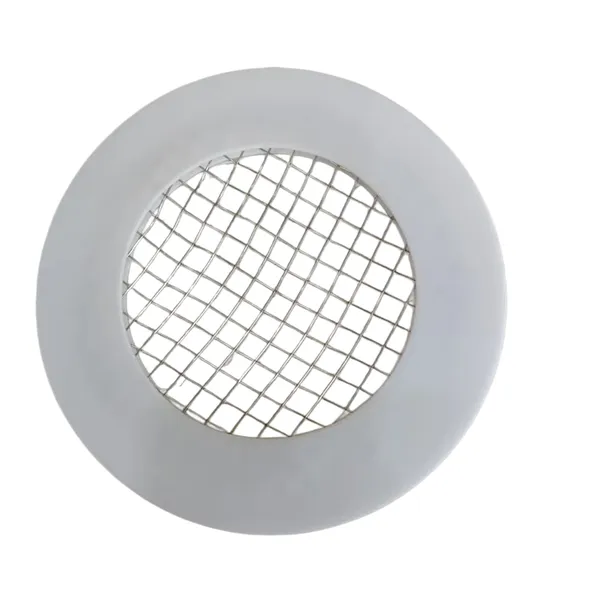
PTFE Filter Gasket With Stainless Steel Mesh; PTFE Filter Sealing Gasket With Stainless Steel MeshNegotiableMOQ: 100 Blades
-
Metal Reinforced PTFE PTFE Gasket Chemical Corrosion Resistant GasketNegotiableMOQ: 100 Blades
-
Reinforced Metal Winding Gasket 304 Stainless Steel Flange Sealing GasketNegotiableMOQ: 100 Blades
-
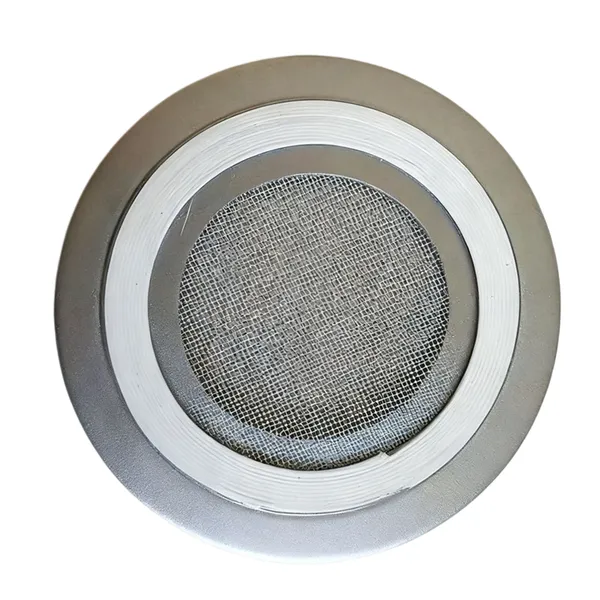
Filter Mesh Winding Gasket 304 Stainless Steel Inner and Outer Ring GasketNegotiableMOQ: 100 Blades
-
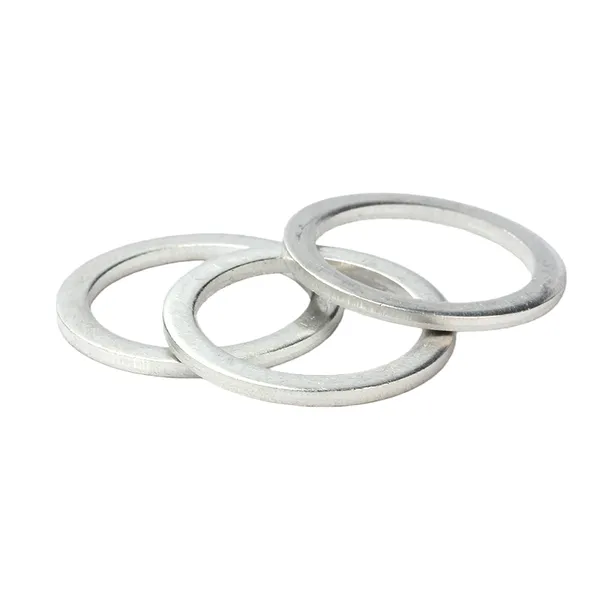
Pure Aluminum Gasket Soft Aluminum Flat Washer 0.1-3mm High Temperature Resistant Sealing Aluminum WasherNegotiableMOQ: 100 Blades
-
Metal Octagonal Ring Gasket Oval Gasket 304/316L Stainless Steel Metal Ring Gasket RJ Flange GasketNegotiableMOQ: 100 Blades
-
Basic Metal Spiral Wound Gasket 304 Graphite Spiral Wound Gasket Tongue and Groove FlangeNegotiableMOQ: 100 Blades
-
Metal Graphite Spiral Wound Gasket High Temperature Flange Pipe Sealing GasketNegotiableMOQ: 50 Blades
-
Stainless Steel Flexible Graphite Corrugated Composite Gasket Irregular Thick Reinforced High Temperature and High Pressure Sealing GasketNegotiableMOQ: 100 Blades
-
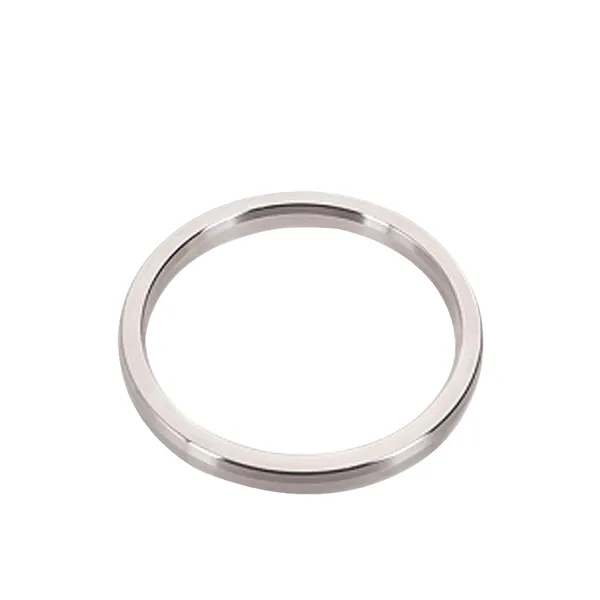
304 Stainless Steel Oval Metal Ring Gasket RJ Flange Oval Gasket High Pressure and High Temperature Resistant Sealing WasherNegotiableMOQ: 10 Units
-
PTFE Gasket, Polytetrafluoroethylene Sealing Gasket, White Teflon Flat Gasket, High Temperature and Acid/alkali Resistant Industrial Flange WasherNegotiableMOQ: 25 Units
-
Elastic Expanded PTFE Gasket Soft Teflon Gasket Pipe Flange Sealing Gasket High and Low Temperature Corrosion Resistant Ready Stock Custom MadeNegotiableMOQ: 25 Units
-
Metal Lens Gasket, No-hole and With-hole Lens Gasket, High-pressure Angle Valve Hydrogen Pipeline Flange Sealing Gasket Custom-madeNegotiableMOQ: 25 Units
-
Metal Serrated Gasket | Wave Profile Composite Gasket for High Temperature and High Pressure Flange SealingNegotiableMOQ: 100 Blades
-
High Temperature and High Pressure Octagonal Ring Joint Gasket Oval Flange Gasket Carbon Steel 304 316 Stainless SteelNegotiableMOQ: 1 Unit