 Business License

Common problems with PTFE packing!
PTFE packing (polytetrafluoroethylene packing) is the most commonly used packing seal product for water pumps valves, agitator shafts, and reactor shaft seals. With its acid and alkali resistance, corrosion resistance, self-lubrication, and rust-proof characteristics, it has become universal shaft seal material for chemical, environmental protection, pharmaceutical, and water treatment equipment. However, field technicians generally report: PTFE packing seems versatile and easy to use, but in actual application it is extremely prone to problems—leaking shortly after installation, overheating shafts, rapid wear, getting harder over time, and difficulty adjusting the tightness. Most people assume it is due to poor quality, but in reality, 90% of PTFE packing failures are caused by incorrect selection, wrong installation methods, improper gland adjustment, or mismatched operating conditions. Today, we compiled the 6 most frequent PTFE packing failures on construction sites. Each entry includes real-world phenomena, core causes, and root-cause solutions, allowing beginners to follow directly and experienced to self-check and avoid pitfalls.
Problem 1: New packing still leaks water, air, or has micro-seepage at the shaft seal Field phenomena: replacing with brand-new PTFE packing, the equipment still has slight leakage, dripping, or air bypass during operation; tightening the gland causes overheating, while loosening it causes water leakage. Core - Misaligned packing cuts or excessively large gaps at the joints, allowing the medium to leak through the seams - Multi-layer packing joints are aligned in the same direction, a straight-through leakage channel - Worn shaft surfaces, grooves, or rough scratches prevent the PTFE from fitting tightly for a seal - Mismatched packing thickness and; too thin to tighten properly, or too thick to pack firmly Solutions - Use 45° diagonal cuts for the packing, ensuring the cuts fit tightly without gaps Multi-layer packing must be installed with staggered joints; offset each layer's joint by 90° to 180° to eliminate straight-through channels - For severely shaft surfaces, repair the shaft or install a shaft sleeve first; simply replacing the packing cannot permanently fix the leakage - Strictly match the packing specifications to the shaft diameter and groove depth do not force the size or mix different thicknesses
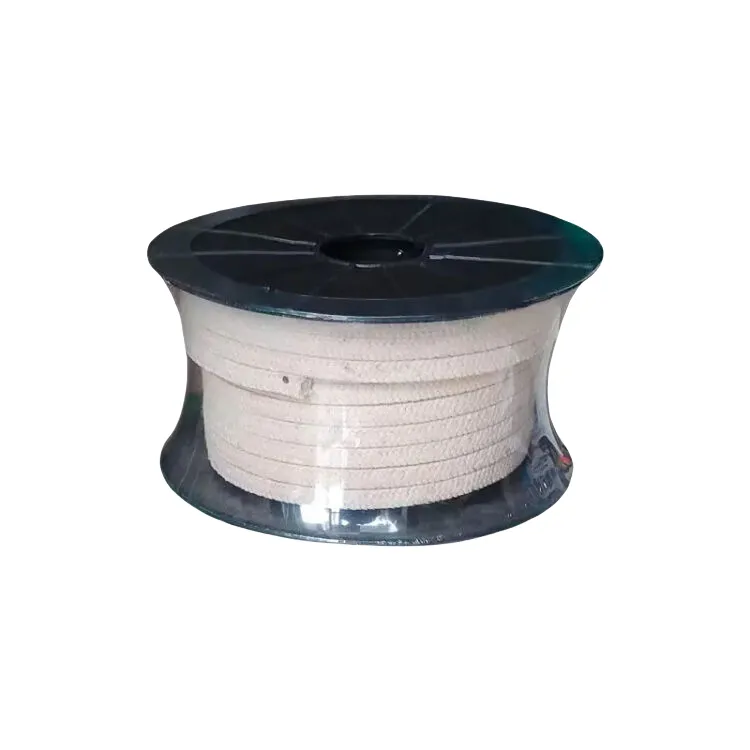
Problem 2: Packing hardens, loses elasticity, and fails to seal later on Field phenomena: New packing is and resilient, but after running for a while, it becomes hard, dry, and loses its rebound, making it impossible to seal the medium no matter how the gland is adjusted. Core - Ordinary pure PTFE packing lacks lubrication and high-temperature resistance, causing the internal lubricant to be lost during operation - High temperatures and frictional heat cause the PTFE material to age and harden Dust and impurities enter the packing, filling the fiber gaps and causing caking and hardening Solutions - For equipment with frequent dynamic and static friction or continuous operation, choose oil-lubric PTFE packing or graphite-impregnated PTFE packing to maintain long-term lubrication and prevent caking - Periodically loosen the gland slightly and make micro-adjustments to prevent longterm high-pressure locking and caking - Replace hardened and caked packing directly; its elastic sealing performance cannot be
Problem 3: Pump shaft overheating, smoking, and severe wear Field phenomena: The shaft overheats and temperature skyrockets immediately after tightening the packing gland; in severe cases, it smokes and grinds the shaft, leading to increased equipment load and power consumption. Core causes - The packing is locked tight in one go, resulting in excessive compression and no reserved lubrication gap - Dry running conditions without medium lubrication cause high-speed friction and heat generation between PTFE and the hard - Packing density is too high and the material is too hard, leading to a large friction coefficient - Overfilling and too many layers cause a sharp increase in compression friction - Packing installation should follow the principle of loosening first then tightening, with gradual fine adjustments; tightening it dead in one go is prohibited - Water pumps and submersible pumps must retain slight water drip for lubrication (drips should not form a continuous stream) to carry away frictional heat - High-speed shafts and high-frequency operating equipment should use highly lubricated packing to reduce the friction coefficient - Control the number of packing layers, fill according to need, and do not blindly add extra layers
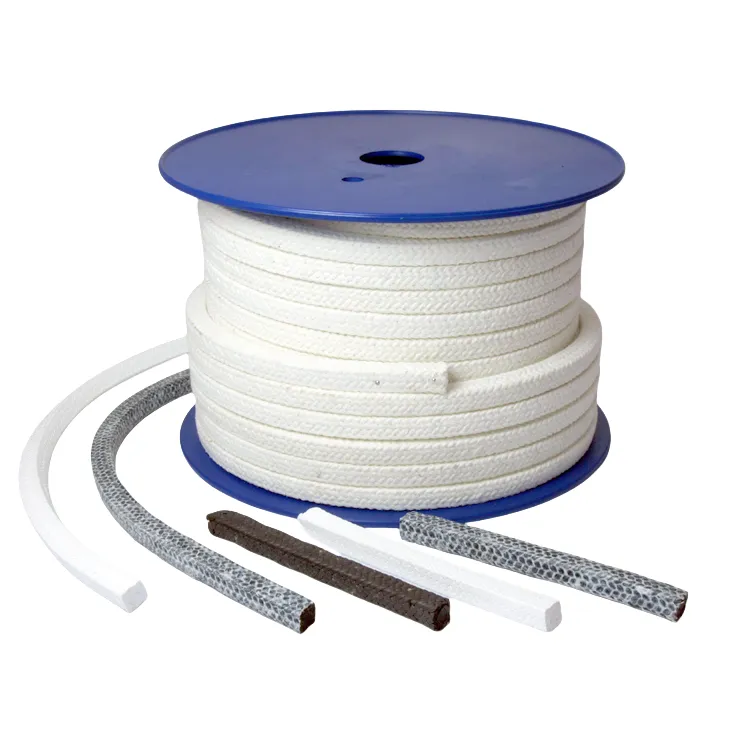
Problem 4: Rapid packing wear, lifespan, and frequent replacement Field phenomena: Under normal operating conditions, the packing wears out, thins, and fails to seal within two to three months, leading to extremely high and maintenance costs. Core causes - Ordinary pure PTFE packing is not wear-resistant and cannot adapt to high-speed, particle-containing media - The medium contains sand impurities, and crystalline particles that continuously abrade the packing fibers - Shaft eccentricity and equipment vibration cause severe wear on one side Solutions - For particle-containing, sewage, and impurityladen conditions, upgrade to high-strength braided PTFE packing or aramid-reinforced PTFE packing - Correct equipment vibration and shaft eccentricity issues in advance to reduce localized uneven wear -en inspection cycles in harsh media conditions to predict the wear state in advance
Problem 5: Leakage, deformation, and rapid failure in high-temperature conditions Field phenomena: at room temperature, but leakage, packing softening/deformation, and unstable sealing occur after temperature rise and high-temperature operation. Core causes Ordinary PTFE packing has limited temperature resistance; at high temperatures, the fibers soften and the structure loosens, causing a loss of pre-tightening force. Combined with thermal expansion and contraction, the gap increases, leading to leakage. Solutions - high-temperature conditions above 180°C, abandon ordinary PTFE packing and use high-temperature resistant impregnated PTFE packing or graphite-PTFE composite packing - Perform a second adjustment and re-tightening after high-temperature equipment operation to compensate for the thermal relaxation gap - Forbid the forced use of ordinary PTFE packing above its temperature limit, as is extremely prone to rapid aging and failure
Problem 6: Sealing failure and rapid pulverization in acid and alkali corrosive media Field phenomena: In chemical acid/alkali and media, ordinary packing corrodes, pulverizes, sheds fibers, and disintegrates rapidly, completely losing its sealing capability. Core causes Mixed-fiber and low-quality filled have poor corrosion resistance; they are only surface-wrapped with PTFE, while the internal fibers are not acid/alkali resistant, leading to disintegration and failure after long-term immersion. - For chemical corrosion conditions, all-PTFE braided packing or high-purity PTFE packing must be selected to ensure overall corrosion resistance and prevent pulverization - Strictly prohibit use of low-cost mixed cotton or synthetic fiber packing in corrosive media scenarios - Replace packing regularly in corrosive conditions to prevent disintegrated impurities from entering the equipment
PTFE Gland Packing Selection Guide to Avoid Pitfalls - Ordinary clean water, normal temperature and low pressure: Ordinary PTFE gland packing - Highfrequency operation, sensitive to wear and heat: Oil-lubricated PTFE gland packing - Chemical acids and bases, corrosive solvents: High-purity all-PTFE gland packing- High-temperature working conditions, steam equipment: Graphite-impregnated PTFE gland packing - Containing particles, sewage abrasive working conditions: Reinforced wear-resistant PTFE gland packing Summary PTFE gland packing seems simple, but it is actually a sealing consumable that most tests specification matching, packing process, and tension adjustment. The vast majority of leakage, overheating,, and hardening failure issues are not product quality problems, but rather: incorrect gap opening, over-tightening, wrong model selection, or mismatched working conditions. Selecting the right material,izing the gap packing, maintaining moderate tension, and fine-tuning for high temperatures can completely solve 90% of PTFE gland packing sealing failures, significantly reducing equipment failure rates and costs. If you are unsure about the medium, temperature, rotation speed, or equipment type, you can leave a message, and I will help you precisely match the most suitable PTFE packing model.
Recently Posted
-
O-ring: The "Invisible Contract" of Industrial Sealing and the Philosophy of Working Conditions
August 7, 2026In the vast and complex system of industrial equipment, people often marvel at the meshing of precision gears or the pressurebeari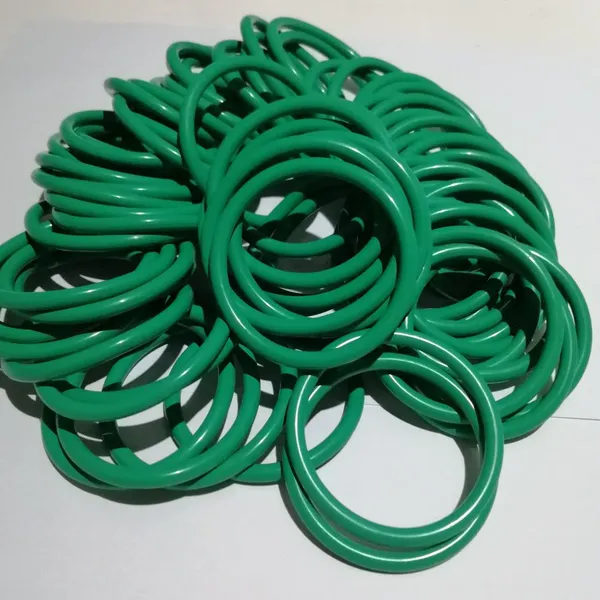 Read More
 -
Nano-aerogel felt: "Super insulation" breaking thermodynamic limits and industrial reshaping
August 7, 2026Under the grand narrative of the global energy structure transition and the "dual carbon" goals, energy conservation and Read More
 -
Aluminum Gaskets: The "Flexible Contract" in Industrial Connections
August 5, 2026In industrial systems such as mechanical manufacturing, petrochemicals, electronics, and aerospace, aluminum gaskets/washers, as f Read More
 -
Qingke Paper: The "Paper Armor" and Insulation Philosophy in the Electronics and New Energy Sectors
August 5, 2026Inside new energy batteries, precision motors, and various electronic and electrical devices, countless tiny components are hidden Read More

Contact Us
Recommended Products
-
 Colored Silicone Flat Washer FF Full Surface With Water Line Silicone Pad High Temperature Resistant 230℃ Valve Pipe Sealing GasketNegotiableMOQ: 100 Blades
 -
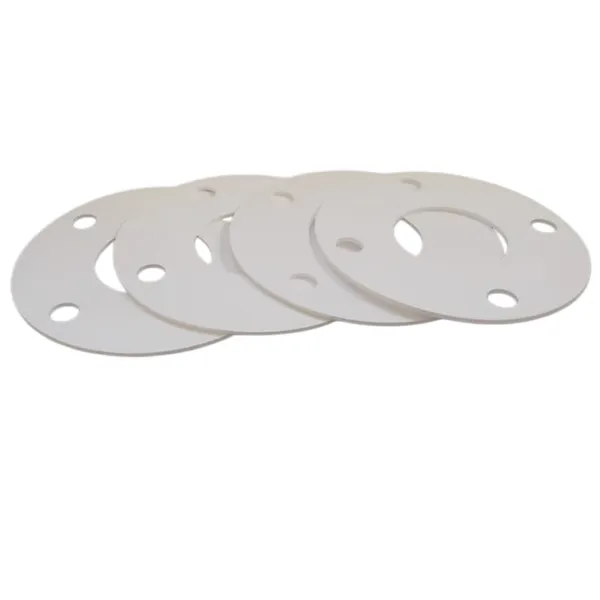
PTFE Gasket With Holes, National Standard Flange Multi-hole PTFE Sealing GasketNegotiableMOQ: 100 Blades
-
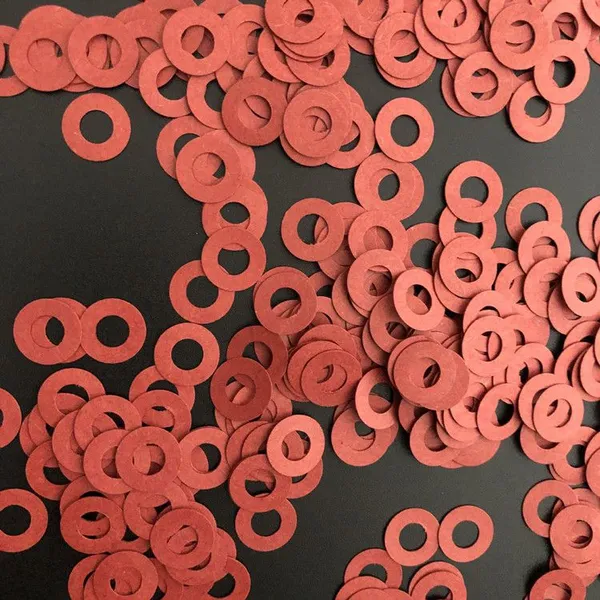
Red Steel Paper Gasket Insulation Flat Washer Red Mica Quick Connector Paper WasherNegotiableMOQ: 100 Blades
-
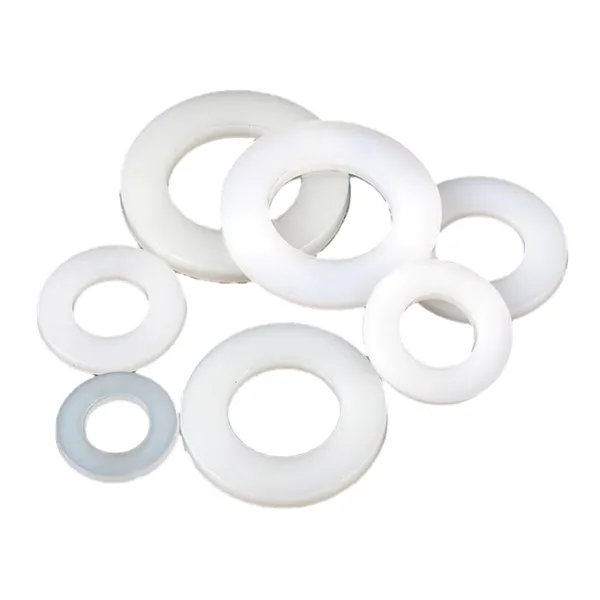
Nylon Washer Black Plastic Flat Washer Insulating Shock-absorbing Wear-resistant Self-lubricatingNegotiableMOQ: 100 Blades
-
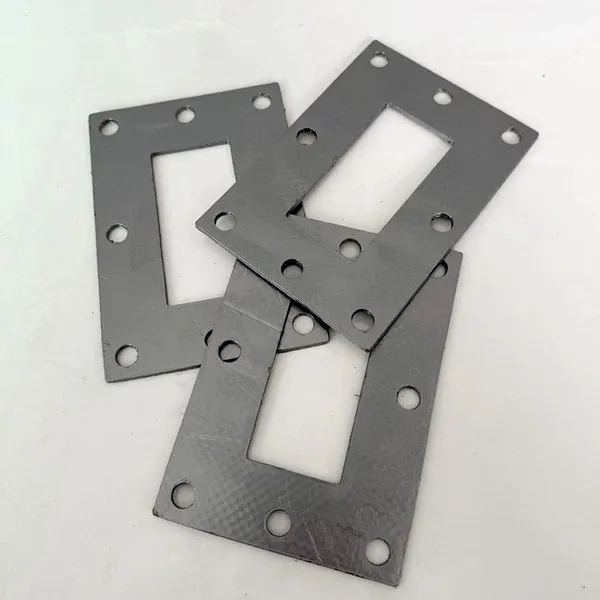
Perforated Graphite Composite Gasket 304 Stainless Steel Reinforced High Temperature and High Pressure Flange Gasket Boiler SteamNegotiableMOQ: 100 Blades
-
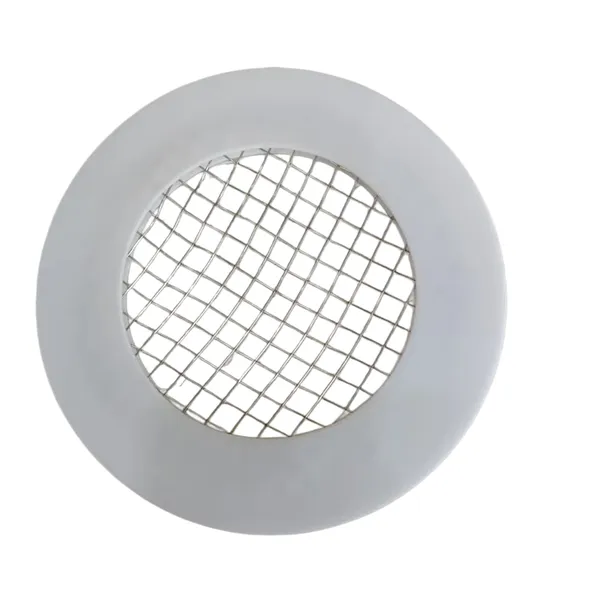
PTFE Filter Gasket With Stainless Steel Mesh; PTFE Filter Sealing Gasket With Stainless Steel MeshNegotiableMOQ: 100 Blades
-
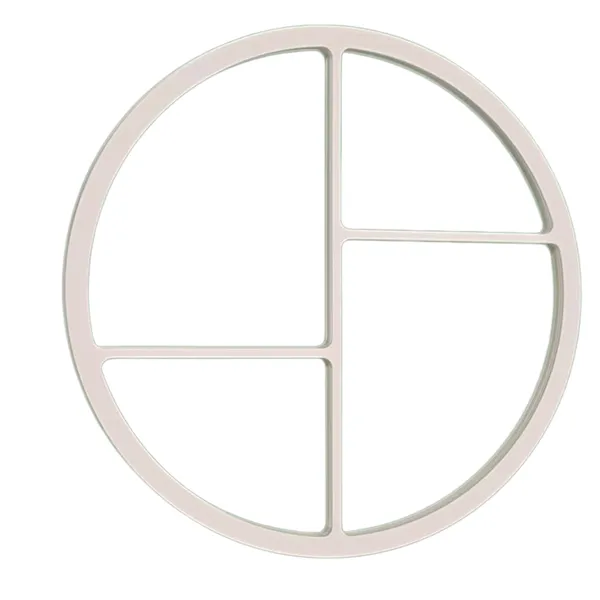
Metal Reinforced PTFE PTFE Gasket Chemical Corrosion Resistant GasketNegotiableMOQ: 100 Blades
-
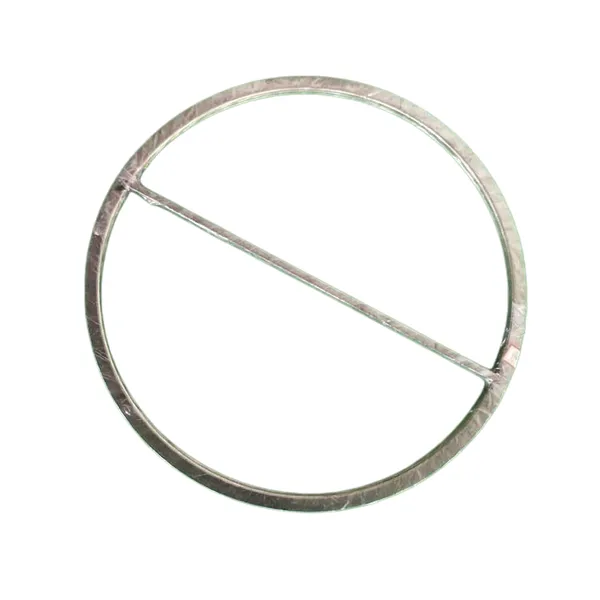
Reinforced Metal Winding Gasket 304 Stainless Steel Flange Sealing GasketNegotiableMOQ: 100 Blades
-
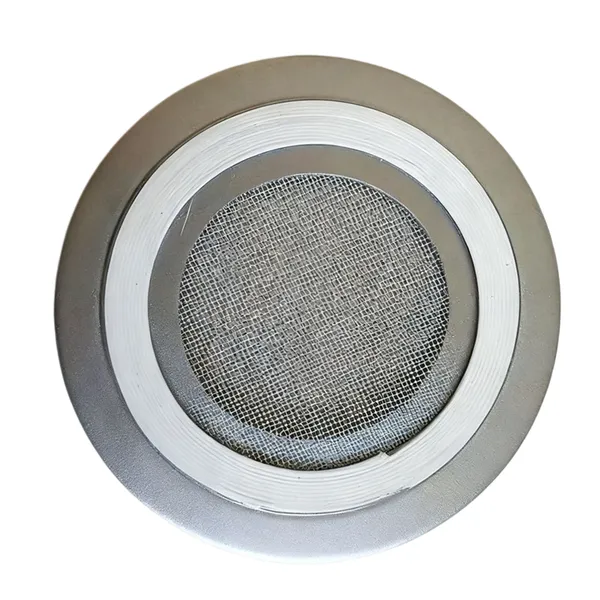
Filter Mesh Winding Gasket 304 Stainless Steel Inner and Outer Ring GasketNegotiableMOQ: 100 Blades
-
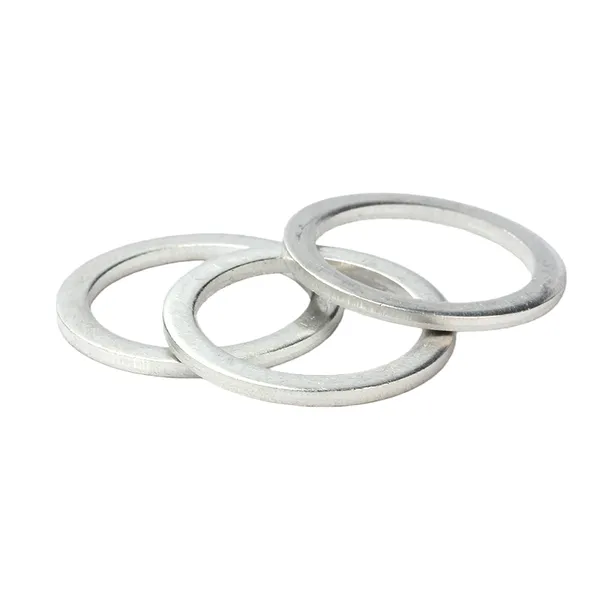
Pure Aluminum Gasket Soft Aluminum Flat Washer 0.1-3mm High Temperature Resistant Sealing Aluminum WasherNegotiableMOQ: 100 Blades
-
Metal Octagonal Ring Gasket Oval Gasket 304/316L Stainless Steel Metal Ring Gasket RJ Flange GasketNegotiableMOQ: 100 Blades
-
Basic Metal Spiral Wound Gasket 304 Graphite Spiral Wound Gasket Tongue and Groove FlangeNegotiableMOQ: 100 Blades
-
Metal Graphite Spiral Wound Gasket High Temperature Flange Pipe Sealing GasketNegotiableMOQ: 50 Blades
-
Stainless Steel Flexible Graphite Corrugated Composite Gasket Irregular Thick Reinforced High Temperature and High Pressure Sealing GasketNegotiableMOQ: 100 Blades
-
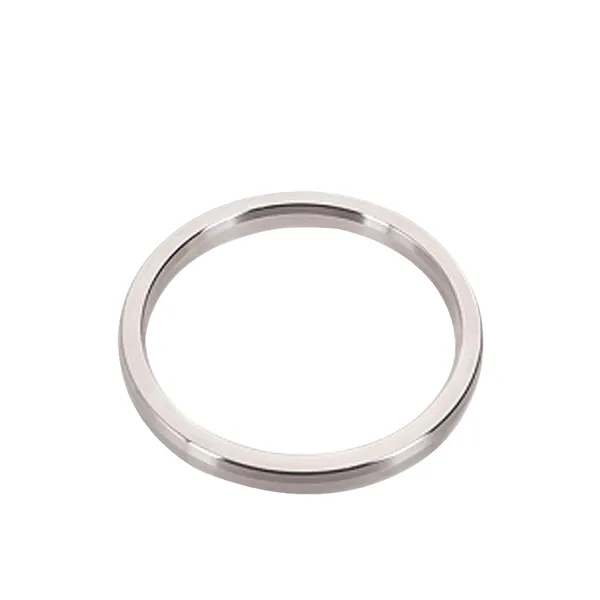
304 Stainless Steel Oval Metal Ring Gasket RJ Flange Oval Gasket High Pressure and High Temperature Resistant Sealing WasherNegotiableMOQ: 10 Units
-
PTFE Gasket, Polytetrafluoroethylene Sealing Gasket, White Teflon Flat Gasket, High Temperature and Acid/alkali Resistant Industrial Flange WasherNegotiableMOQ: 25 Units
-
Elastic Expanded PTFE Gasket Soft Teflon Gasket Pipe Flange Sealing Gasket High and Low Temperature Corrosion Resistant Ready Stock Custom MadeNegotiableMOQ: 25 Units
-
Metal Lens Gasket, No-hole and With-hole Lens Gasket, High-pressure Angle Valve Hydrogen Pipeline Flange Sealing Gasket Custom-madeNegotiableMOQ: 25 Units
-
Metal Serrated Gasket | Wave Profile Composite Gasket for High Temperature and High Pressure Flange SealingNegotiableMOQ: 100 Blades
-
High Temperature and High Pressure Octagonal Ring Joint Gasket Oval Flange Gasket Carbon Steel 304 316 Stainless SteelNegotiableMOQ: 1 Unit