 Business License

7 common faults of ceramic fiber modules and their permanent solutions!
Ceramic fiber modules (alumina silicate fiber modules) are the mainstream refractory insulation lining for industrial kilns, heat treatment furnaces, heating furnaces, and incinerators. With advantages as fast construction, excellent overall insulation, lightweight energy saving, and thermal shock resistance, they have completely replaced traditional refractory brick linings. However, many kiln operation and construction teams encounter problems: after being newly built and intact, the furnace shell becomes hot, modules crack, heat leaks through gaps, and local spalling or powder/debris falling occurs after heating up operating. Today, we have compiled the 7 major common problems of ceramic fiber modules with the highest on-site rework rates.
Problem 1: Overall insulation failure, local overheating of the furnace shell, and severe heat dissipation Field phenomena: The lining appears intact damage, but the outer wall temperature of the furnace is high, energy consumption skyrockets, local areas are noticeably hot to the touch, and concentrated heat dissipation points exist. - Module are not fully filled and lack compensation cotton, forming direct thermal bridges that cause rapid heat leakage. - High and low-temperature modules are mixed, and layer combinations are incorrect, to a mismatch in temperature gradients. Solutions - Strictly control the module compression ratio, with a standard construction compression ratio ≥ 3:1, to ensure overall density. Uniformly arrange anchors to eliminate local hollow spaces and ensure the lining is tightly fitted to the furnace wall.
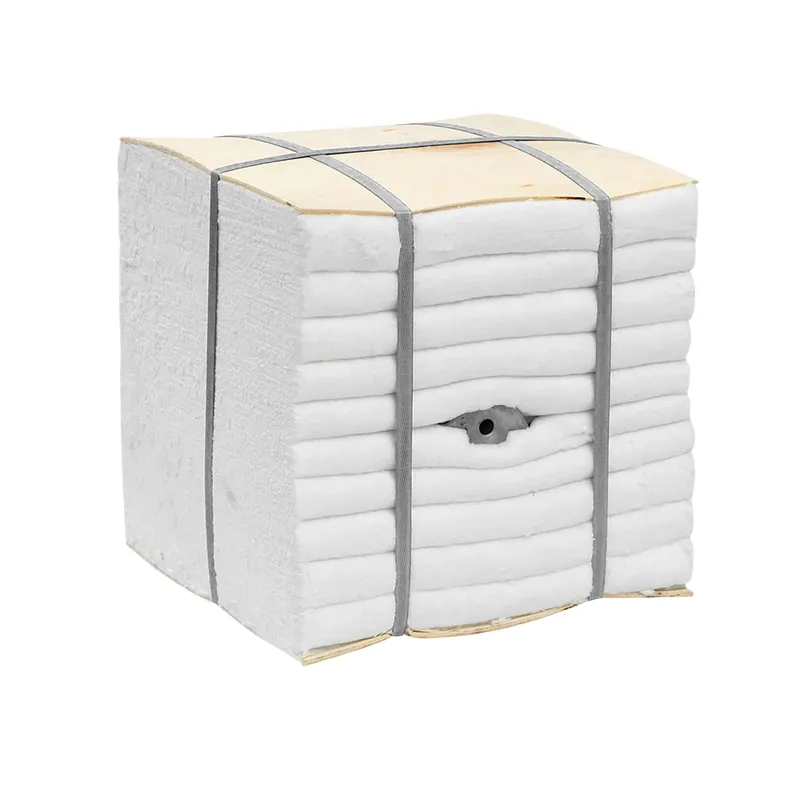
Problem 2: Module shrinkage after high-temperature operation, widening gaps, intensified heat leakage Field phenomena: Gaps were tight immediately after construction, but after 1-2 months of heating and operation, the gaps between modules gradually widened, forming obvious-shaped heat dissipation cracks, and furnace temperature stability deteriorated. - Inherent high-temperature shrinkage characteristics of ceramic fiber, and the shrinkage rate of inferior modules exceeds the standard. Rapid initial heating and sudden temperature rise cause the modules to shrink and crack rapidly. Solutions - Install folded compensation blankets throughout the construction process, using a stepped docking layout to offset high-temperature shrinkage margin in advance. - For shrinkage gaps that appear later, fill and compact them with shredded fiber cotton of the same material to seal the thermal bridges
Problem 3: Module cracking, corner breakage, and large-area cracks in the furnace lining Field phenomena: Cracks of varying lengths on the furnace walls, corners, and top; corners fall off; in severe cases, entire modules crack and shift out of place. - Stress concentration at furnace corners and joints combined with thermal shock, leads to cracking. - Module damage from bumps and compression during handling and installation creates hidden risks of cracking. Solutions - Select modules precisely based on equipment's maximum temperature: match conventional 1260°C, medium-temperature 1360°C, and high-temperature 1400° modules as needed. - Use high-temperature bonding agents and fiber wool filling to repair fine cracks; directly replace damaged modules for large cracks.
Problem 4: Module, protrusion, and local detachment or falling Field phenomena: Bulging and hollow spaces appear on the lining surface; the surface feels soft when pressed by hand; modules loosen, sag or even detach entirely during the later stages of operation. - Anchors are poorly welded or spaced too far apart, resulting in insufficient fixing and load-bearing capacity. Misalignment and uneven compression during multi-layer construction cause internal stress accumulation, leading to bulging. Solutions - Standardize the welding density of anchors, ensuring they are firmly and welded, and eliminate loose or missed welds. - Timely re-anchor and compact loose or hollow modules; locally replace and repair detached areas to prevent large-scale spreading
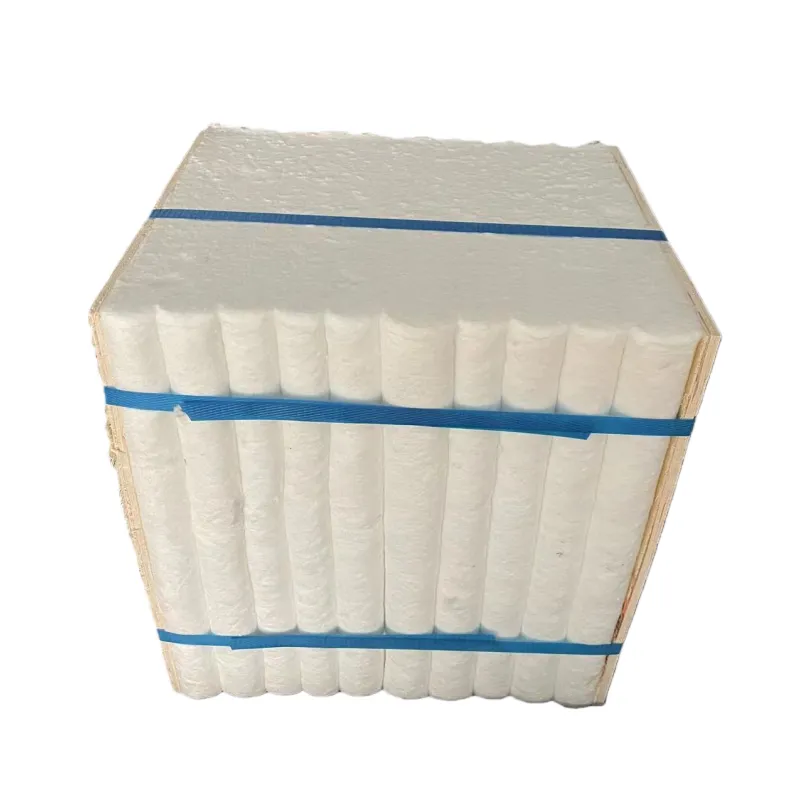
Question 5: Powdering and crumbling, fiber shedding, and media contamination Core Causes - High-speed airflow scouring and direct flameement cause continuous shedding of surface fibers Solutions - Apply high-temperature curing agents and surface protective coatings to areas subject to airflow scouring and direct flame impingement to lock in fibers VI. Question 6: Short service life and premature aging failure Core Causes - Cutting corners during construction: insufficient compression ratio, unfilled gaps, and sparse anchoring - Standardized construction to ensure the three core processes—compression ratio, gap filling, and anchoring—are properly executed VII. Question 7: Overall deformation after kiln firing and lining Core Causes Solutions - Reserve thermal expansion compensation and use compensation blankets to buffer thermal expansion stress Core Mnemonics for Ceramic Fiber Module Selection & Construction - Mediumtemperature continuous kilns: 1360 high-purity fiber modules - Preventing heat leakage: Gaps must be filled with cotton, and compensation must be reserved during construction- Preventing cracking: Slow heating, gradual cooling, and controlled thermal shock All failures of ceramic fiber modules ultimately stem from mismatched selection, non-standard construction, irregular heating, and inadequate. If you are uncertain about kiln temperature, operating conditions, or kiln type parameters, please leave a message for discussion; we will help you precisely match the module model and construction plan
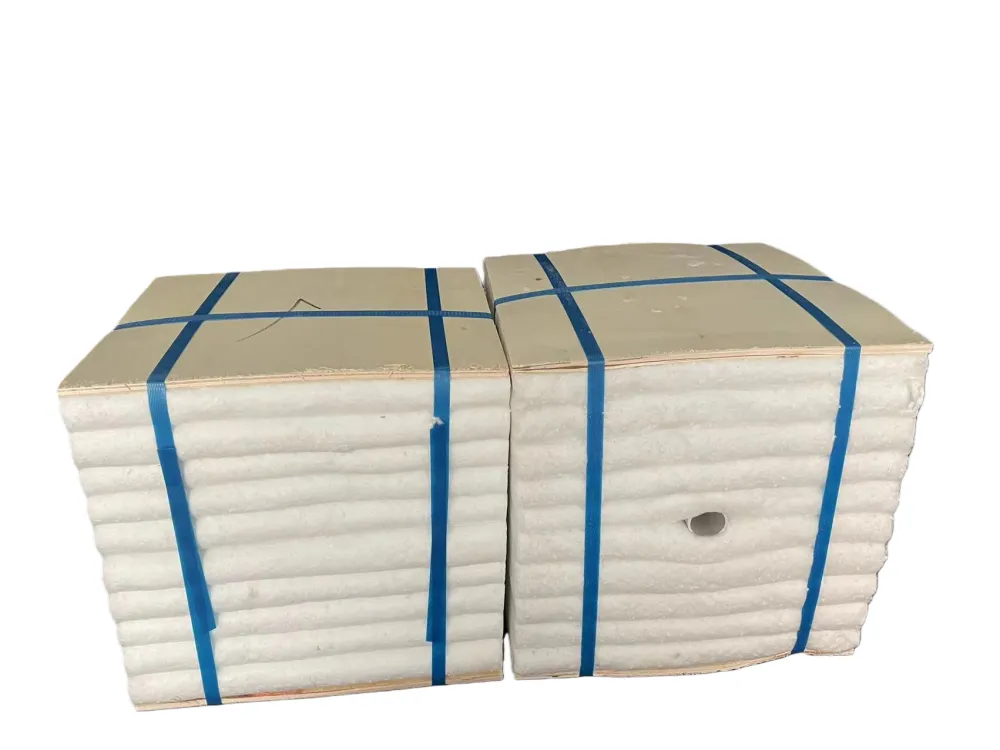
Ceramic fiber module selection & construction core mnemonic -- Low-temperature conventional furnace: 1260 standard type ceramic fiber module - High-temperature furnace: 1400 high-alumina type fiber module - Anti-detachment: Securely weld anchors; compression ratio meets standards Article summary Its advantages energy saving, lightweight, and fast construction are obvious, but it requires extremely high attention to detail. As long as the temperature resistance grade is correctly selected, gap filling and thermal compensation properly executed, and anchoring and kiln firing processes are standardized, all problems such as hot furnace shells, cracking and heat leakage, detachment and debris falling, and short-term aging can completely solved, ensuring the stable use of the kiln lining for more than 3-5 years.
Recently Posted
-
O-ring: The "Invisible Contract" of Industrial Sealing and the Philosophy of Working Conditions
August 7, 2026In the vast and complex system of industrial equipment, people often marvel at the meshing of precision gears or the pressurebeari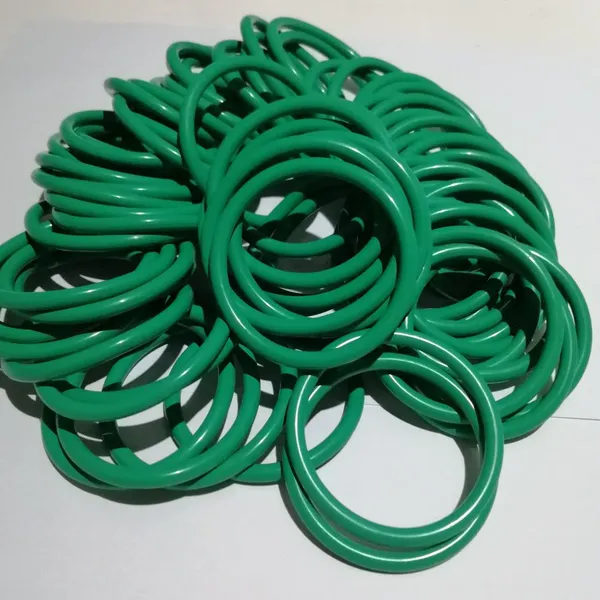 Read More
 -
Nano-aerogel felt: "Super insulation" breaking thermodynamic limits and industrial reshaping
August 7, 2026Under the grand narrative of the global energy structure transition and the "dual carbon" goals, energy conservation and Read More
 -
Aluminum Gaskets: The "Flexible Contract" in Industrial Connections
August 5, 2026In industrial systems such as mechanical manufacturing, petrochemicals, electronics, and aerospace, aluminum gaskets/washers, as f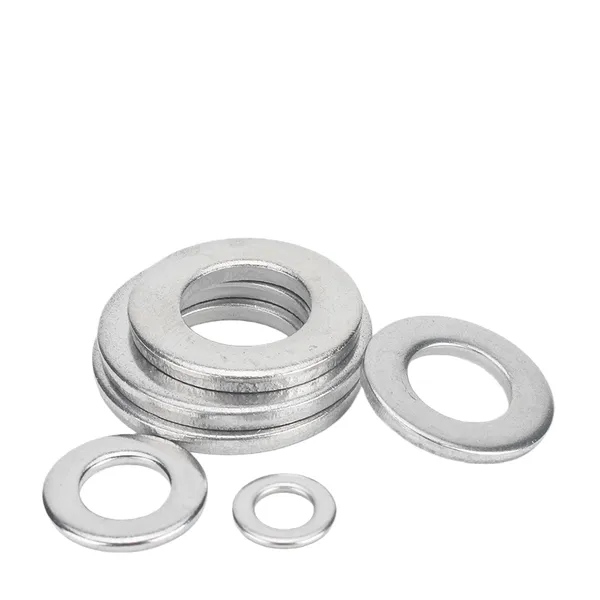 Read More
 -
Qingke Paper: The "Paper Armor" and Insulation Philosophy in the Electronics and New Energy Sectors
August 5, 2026Inside new energy batteries, precision motors, and various electronic and electrical devices, countless tiny components are hidden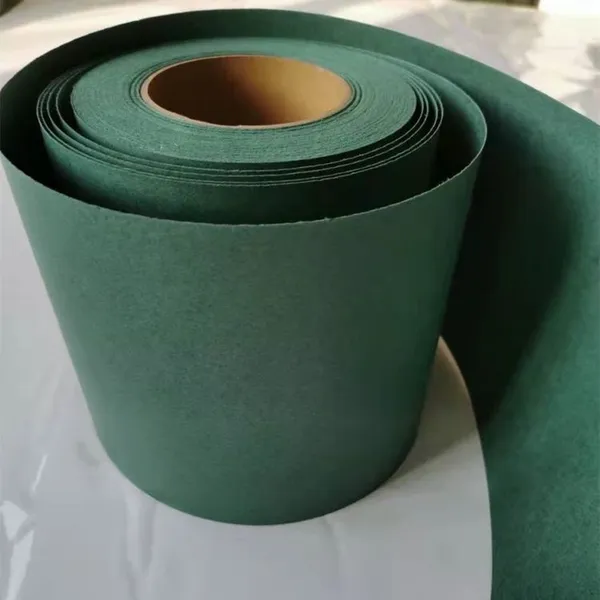 Read More

Contact Us
Recommended Products
-
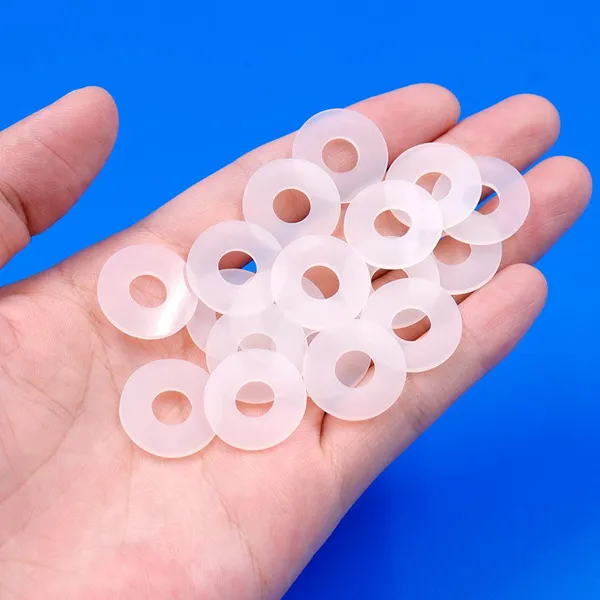
 Colored Silicone Flat Washer FF Full Surface With Water Line Silicone Pad High Temperature Resistant 230℃ Valve Pipe Sealing GasketNegotiableMOQ: 100 Blades
 -
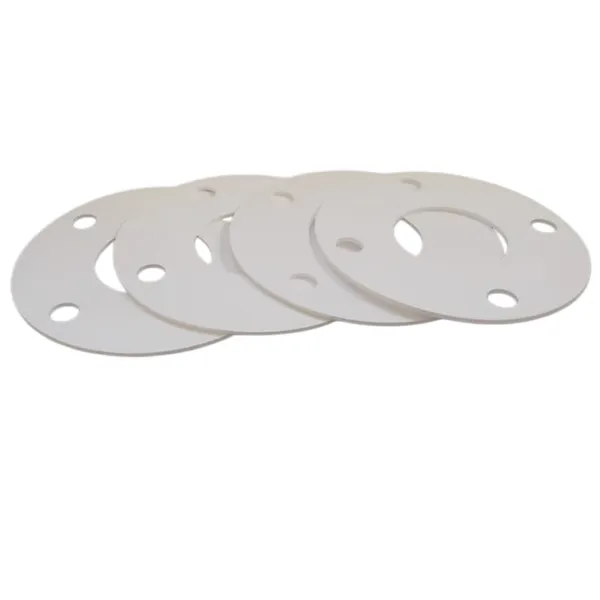
PTFE Gasket With Holes, National Standard Flange Multi-hole PTFE Sealing GasketNegotiableMOQ: 100 Blades
-
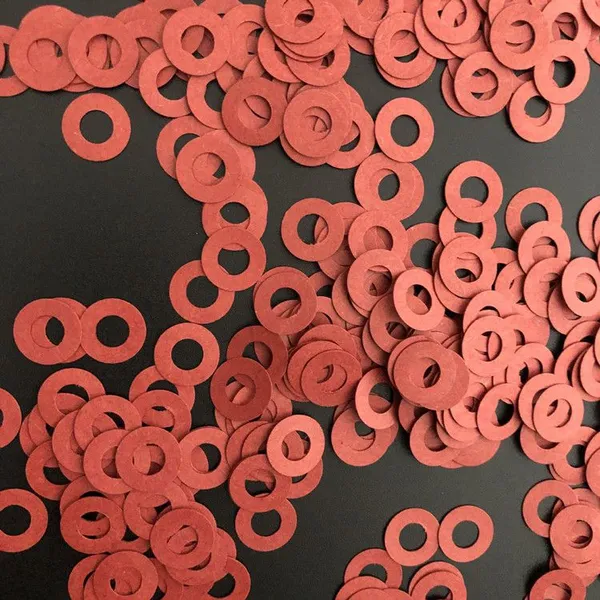
Red Steel Paper Gasket Insulation Flat Washer Red Mica Quick Connector Paper WasherNegotiableMOQ: 100 Blades
-
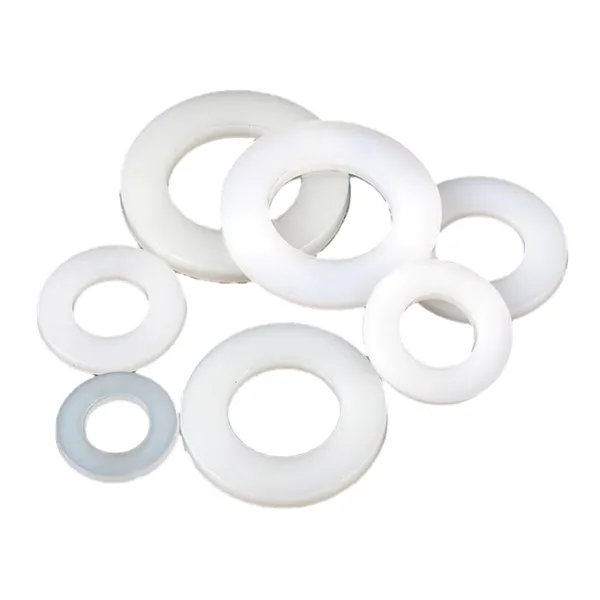
Nylon Washer Black Plastic Flat Washer Insulating Shock-absorbing Wear-resistant Self-lubricatingNegotiableMOQ: 100 Blades
-
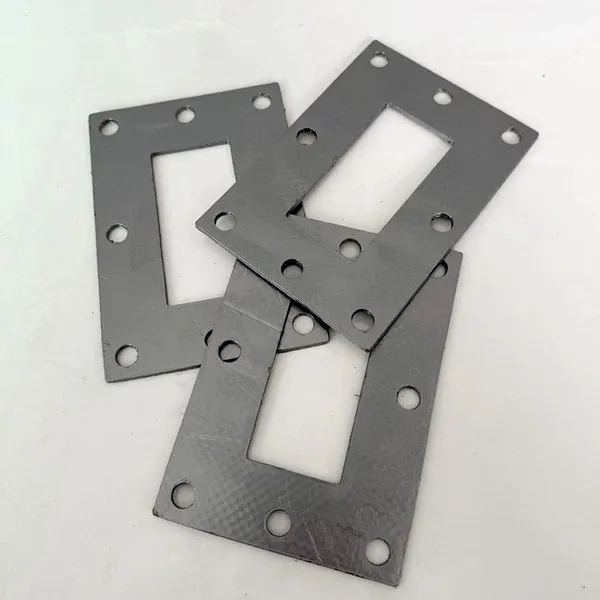
Perforated Graphite Composite Gasket 304 Stainless Steel Reinforced High Temperature and High Pressure Flange Gasket Boiler SteamNegotiableMOQ: 100 Blades
-
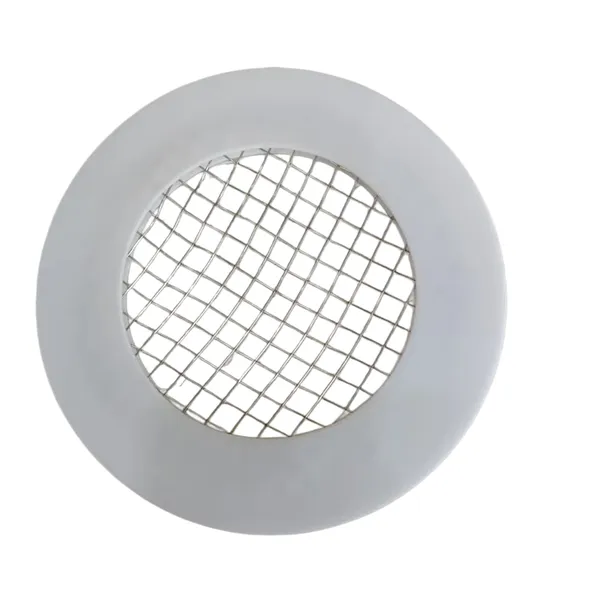
PTFE Filter Gasket With Stainless Steel Mesh; PTFE Filter Sealing Gasket With Stainless Steel MeshNegotiableMOQ: 100 Blades
-
Metal Reinforced PTFE PTFE Gasket Chemical Corrosion Resistant GasketNegotiableMOQ: 100 Blades
-
Reinforced Metal Winding Gasket 304 Stainless Steel Flange Sealing GasketNegotiableMOQ: 100 Blades
-
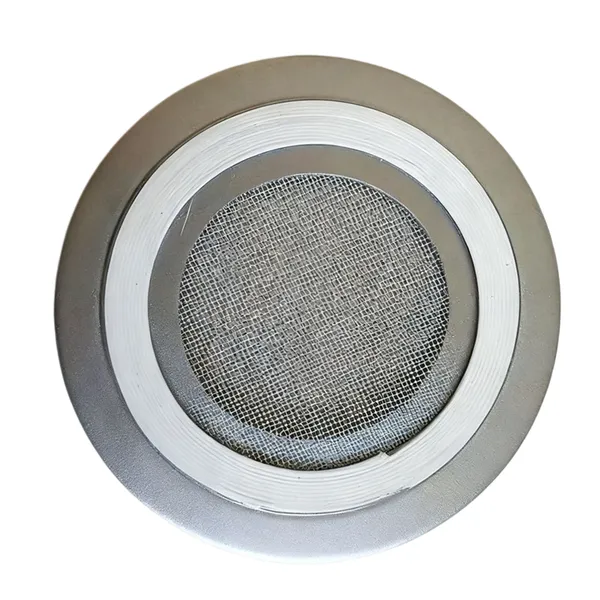
Filter Mesh Winding Gasket 304 Stainless Steel Inner and Outer Ring GasketNegotiableMOQ: 100 Blades
-
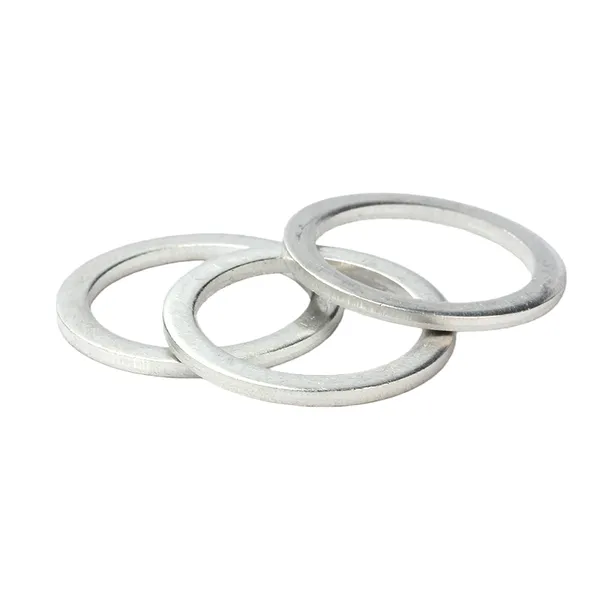
Pure Aluminum Gasket Soft Aluminum Flat Washer 0.1-3mm High Temperature Resistant Sealing Aluminum WasherNegotiableMOQ: 100 Blades
-
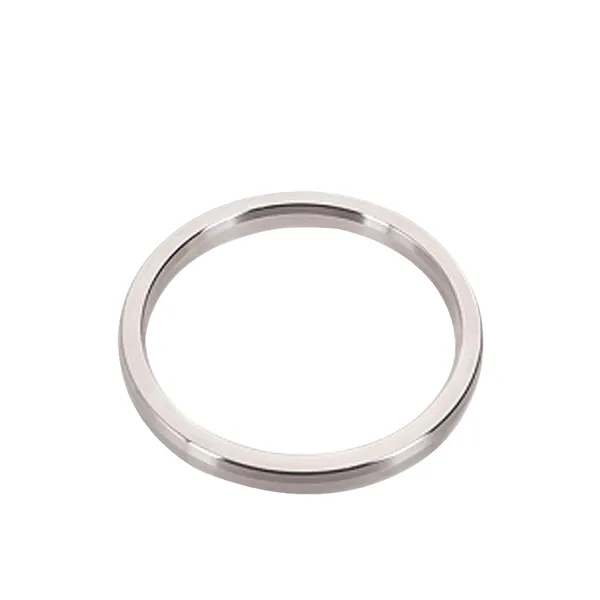
Metal Octagonal Ring Gasket Oval Gasket 304/316L Stainless Steel Metal Ring Gasket RJ Flange GasketNegotiableMOQ: 100 Blades
-
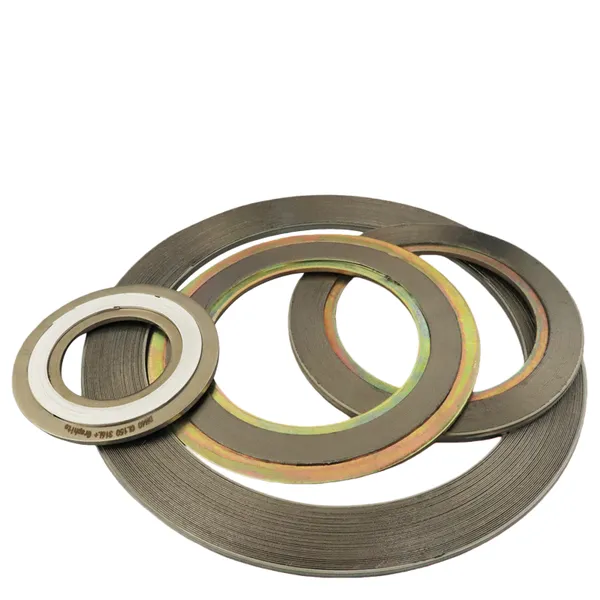
Basic Metal Spiral Wound Gasket 304 Graphite Spiral Wound Gasket Tongue and Groove FlangeNegotiableMOQ: 100 Blades
-
Metal Graphite Spiral Wound Gasket High Temperature Flange Pipe Sealing GasketNegotiableMOQ: 50 Blades
-
Stainless Steel Flexible Graphite Corrugated Composite Gasket Irregular Thick Reinforced High Temperature and High Pressure Sealing GasketNegotiableMOQ: 100 Blades
-
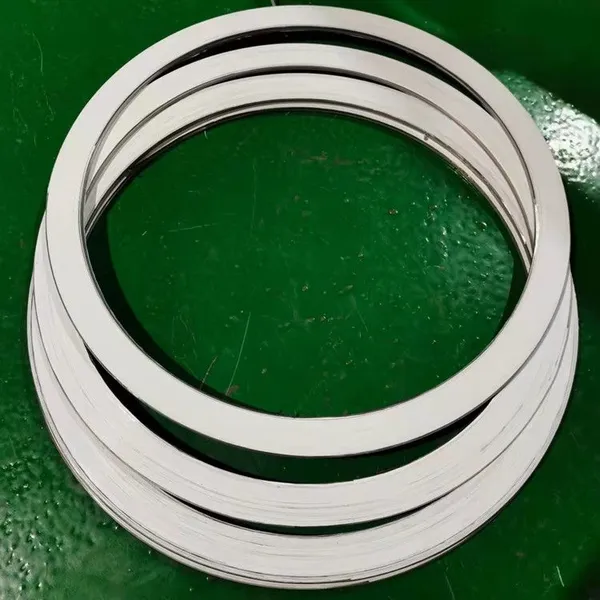
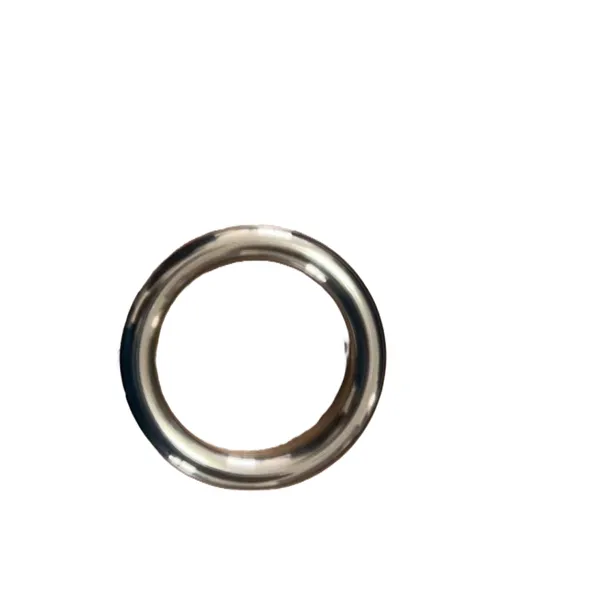
304 Stainless Steel Oval Metal Ring Gasket RJ Flange Oval Gasket High Pressure and High Temperature Resistant Sealing WasherNegotiableMOQ: 10 Units
-
PTFE Gasket, Polytetrafluoroethylene Sealing Gasket, White Teflon Flat Gasket, High Temperature and Acid/alkali Resistant Industrial Flange WasherNegotiableMOQ: 25 Units
-
Elastic Expanded PTFE Gasket Soft Teflon Gasket Pipe Flange Sealing Gasket High and Low Temperature Corrosion Resistant Ready Stock Custom MadeNegotiableMOQ: 25 Units
-
Metal Lens Gasket, No-hole and With-hole Lens Gasket, High-pressure Angle Valve Hydrogen Pipeline Flange Sealing Gasket Custom-madeNegotiableMOQ: 25 Units
-
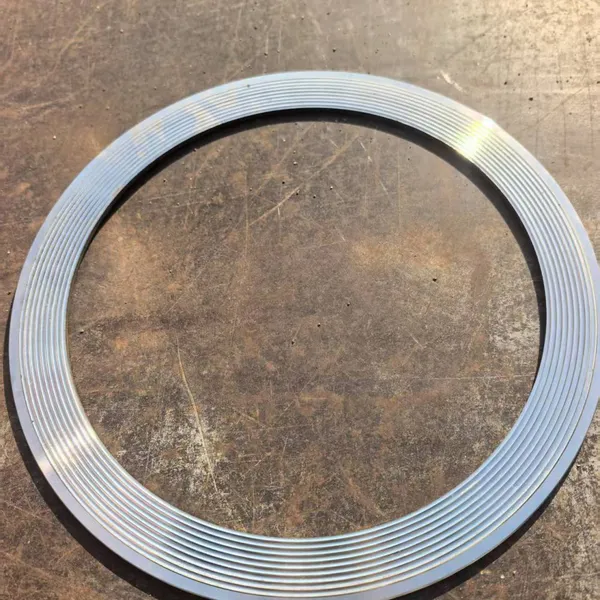
Metal Serrated Gasket | Wave Profile Composite Gasket for High Temperature and High Pressure Flange SealingNegotiableMOQ: 100 Blades
-
High Temperature and High Pressure Octagonal Ring Joint Gasket Oval Flange Gasket Carbon Steel 304 316 Stainless SteelNegotiableMOQ: 1 Unit