 Business License

PTFE Gland Packing: The "Chemical Inertness" and "Cold Flow" Battle of Dynamic Sealing
In industrial sectors such as chemical engineering, pharmaceuticals, food, and semiconductors, where cleanliness and corrosion resistance are extremely critical the reliability of dynamic seals directly determines production safety and product quality. Faced with harsh media like strong acids, strong alkalis, organic solvents, and high-temperature steam, traditional asbestos or packing often fails due to swelling, aging, or media contamination. PTFE packing, a braided sealing material with polytetrafluoroethylene as its core raw material, has become the "cleanliness" in the field of dynamic sealing due to its nearly perfect chemical inertness and self-lubricating properties. However, behind this extreme corrosion resistance lie the inherent "cold flow" defect and innate deficiency in compression resistance of the material. Understanding PTFE packing is essentially understanding how to seek an engineering balance between "chemical stability" and "mechanical strength"; this is not only the science material selection but also the art of the game between safety and service life in industrial dynamic sealing. Material Essence: The "Double-Edged Sword" of Molecular Structure and Synergy of Braiding Processes The outstanding performance and inherent defects of PTFE packing both stem from the unique molecular structure of polytetrafluoroethylene (PTFE). The PTFE molecular chain consists of a carbon backbone tightly wrapped by fluorine atoms on the outside, forming highly symmetrical and extremely strong C-F bonds. This structure endows the material with extremely low surface energy, excellent chemical stability and wide temperature range adaptability, making it unchanged even when boiled in aqua regia, while also possessing self-lubricating, non-stick, and electrical insulation properties. However, it precisely this highly regular molecular stacking that causes PTFE to have extremely high crystallinity at room temperature and weak intermolecular forces, making it highly prone to molecular chain slippage and the "cold flow" under continuous load. To overcome the cold flow defect of pure PTFE, the industry has developed various modified PTFE packings, achieving an iteration from "single corrosion resistance" to "comprehensive balance." Pure PTFE packing is woven from 100% polytetrafluoroethylene fibers, possessing extremely strong chemical inertness and being suitable for scenarios where contamination is not allowed, such food and pharmaceuticals, but it has weak resistance to cold flow; reinforced PTFE packing significantly improves compressive strength and wear resistance by adding fillers such as graphite, aramid, and glass fiber, among the graphite-filled type also possesses excellent thermal conductivity to effectively reduce frictional heat; braided PTFE packing forms a flexible and adjustable solid structure through the precision braiding of multiple fiber strands, enhancing ability to fit the shaft and packing box while maintaining chemical inertness. These modified products effectively compensate for the deficiencies in mechanical properties while maintaining the chemical inertness of PTFE, enabling them to adapt to wider range of operating conditions.
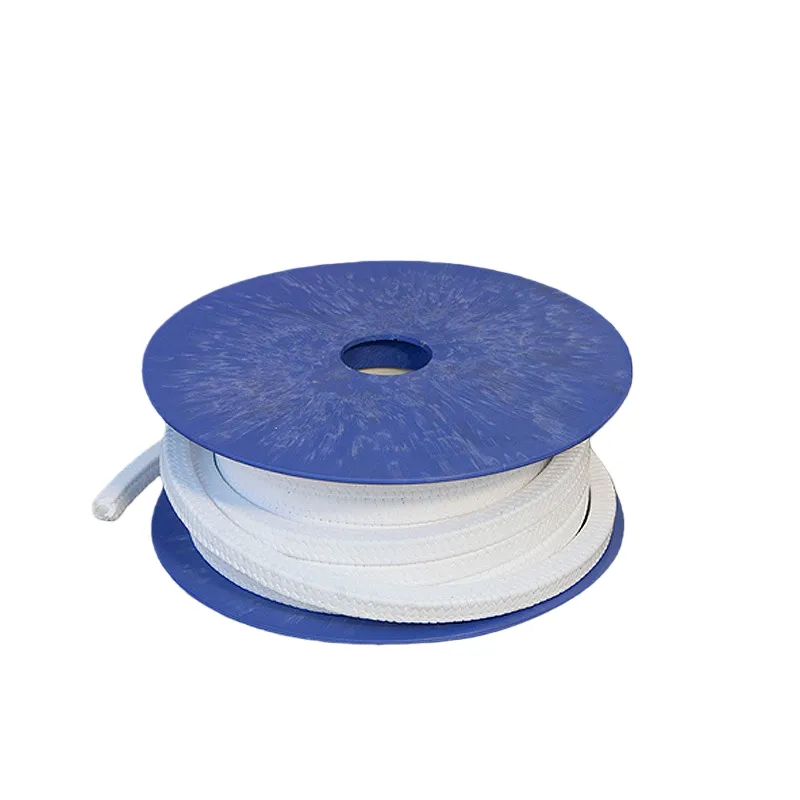
Performance Boundaries: A Dialectical Understanding of Advantages and Limitations The performance advantages of PTFE packing are irreplaceable under specific operating conditions. It exhibits corrosion resistance, capable of withstanding almost all chemical media with a pH value of 0-14, except for elemental fluorine, molten alkali metals, and high-temperature/high- hydrogen fluoride, while maintaining stable performance across a wide temperature range from -180°C to 260°C; its self-lubricating and non-stick result in an extremely low coefficient of friction, effectively reducing shaft sleeve wear without contaminating the contact fluid, perfectly meeting the stringent cleanliness requirements of the food, pharmaceutical, and semiconductor industries;, its flexibility and plasticity allow it to adapt to minor shaft eccentricity and runout, maintaining a stable seal even under operating conditions with frequent starts and stops or pressure fluctuations. In chemical agitators, pharmaceutical transfer pumps, and food tank seals, the service life of PTFE packing can reach thousands of hours, significantly reducing equipment maintenance costs and the risk of unplanned downtime. However its limitations also require engineers to maintain a clear understanding. First, PTFE packing is a contact seal with inherent frictional wear, placing high requirements on the surface roughness and hardness of the shaft; if shaft surface has scratches or insufficient hardness, it can easily lead to rapid wear and failure of the packing; second, its sealing performance is highly dependent on installation techniques and lubrication conditions; uneven pre-tightening force or insufficient lubrication can lead to excessive leakage or overheating and burning; furthermore, pure PTFE packing has relatively weak resistance to cold flow, making it prone to plastic deformation under longterm high temperature and high pressure, which leads to a decay in sealing specific pressure, necessitating regular verification of the gland pre-tightening force; in addition, although the leakage of packing is controllable, it cannot achieve zero leakage; in scenarios with extremely high environmental protection requirements, it must be used in conjunction with a seal liquid collection device or replaced with a mechanical.
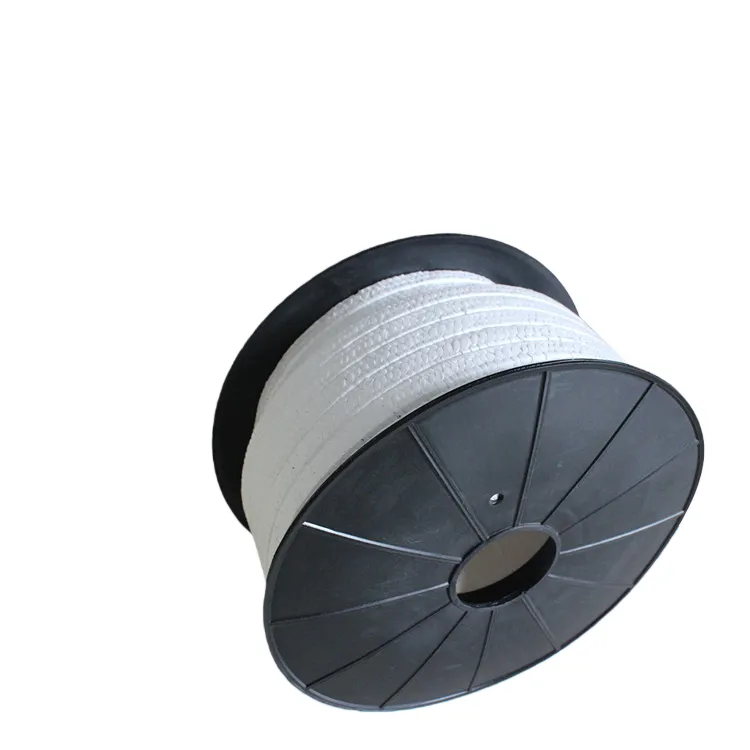
Structural Innovation: From Pure Braiding to Composite Reinforcement for Working Condition Adaptation To break through the performance boundaries of pure PTFE packing, industry has developed various composite reinforced PTFE packings, achieving an iteration from "single corrosion resistance" to "comprehensive performance balance". Aramid-interwoven black PTFE packing is made aramid fibers and black PTFE, mixed and braided using a special process. The high-strength aramid material is interwoven into the packing, making the product more wear-resistant and suitable for sealing at higher linear speeds and higher medium pressures; oil-impregnated black PTFE packing is braided from PTFE yarn containing graphite and anti-corrosion lubricants, possessing strong tear strength and high conductivity, while its low friction coefficient ensures stability and a long service life; split-strand PTFE packing is braided from multiple strands of sintered and fully stretched PTFE yarn, which are completely impregnated PTFE. It features flexibility and dimensional stability, with good compression resistance, anti-extrusion properties, and high structural strength and density, making it one of the best-performing packings in applications. Meanwhile, the specifications and customization capabilities of PTFE packing are continuously being optimized. Product cross-sectional dimensions can range from 4mm to 50mm, and can be customized according to customer needs to meet different stuffing box sizes and installation requirements. Some manufacturers also provide special specification options such as high purity, food grade, and anti-static, support customized development for non-standard stuffing boxes, special media, or extreme working conditions, such as adjusting braiding density, optimizing filler material ratios, and providing professional installation guidance, enabling packing to precisely match various complex working conditions and avoid losses and failures caused by material mismatch.
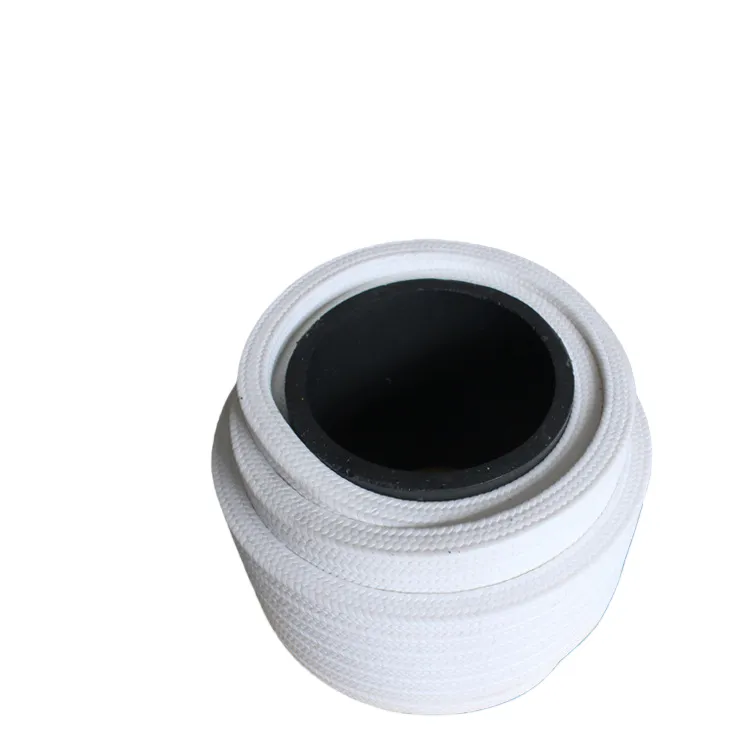
Standards and Selection: Technical Red Lines for Working Condition Adaptation The selection of PTFE packing must strictly follow the five-dimensional matching principle "medium-temperature-pressure-shaft speed-lubrication". For working conditions such as food and pharmaceuticals where contamination is not allowed, pure PTFE packing or white PTFE split-ring packing be prioritized to ensure the material is non-toxic and free of harmful substance release; for high-temperature, high-pressure, and high-linear-speed working conditions, aramidinterwoven black PTFE packing or split-ring PTFE packing should be selected to enhance pressure resistance and wear resistance; for scenarios with large temperature fluctuations and high requirements for the friction coefficient,-impregnated black PTFE packing should be selected, utilizing the lubrication and thermal conductivity of graphite to improve sealing performance. When selecting, special attention must be paid to the following technical red lines First, the upper temperature limit, the long-term operating temperature of PTFE packing must not exceed 260°C, and the maximum short-term temperature resistance is about 80°C; exceeding this temperature will lead to material softening and degradation of sealing performance; second, the pressure limit, pure PTFE packing is suitable for medium to low-pressure working conditions, with the maximum pressure usually not exceeding 15MPa, while ultra-high-pressure scenarios require reinforced or composite seals; third, shaft speed adaptation, the linear speed of PTFE packing is usually ≤15/s, and exceeding this speed will lead to excessive frictional heat and sealing failure; fourth, lubrication conditions, the sealing performance of PTFE packing highly depends on the lubricating medium, so a suitable lubricant must be selected according the working conditions, and the lubrication system must be kept clear; fifth, the cut form, when installing, the packing rings must be placed into the stuffing box one by one, and the cuts of each must be staggered by more than 90° to avoid leakage caused by aligned cuts.
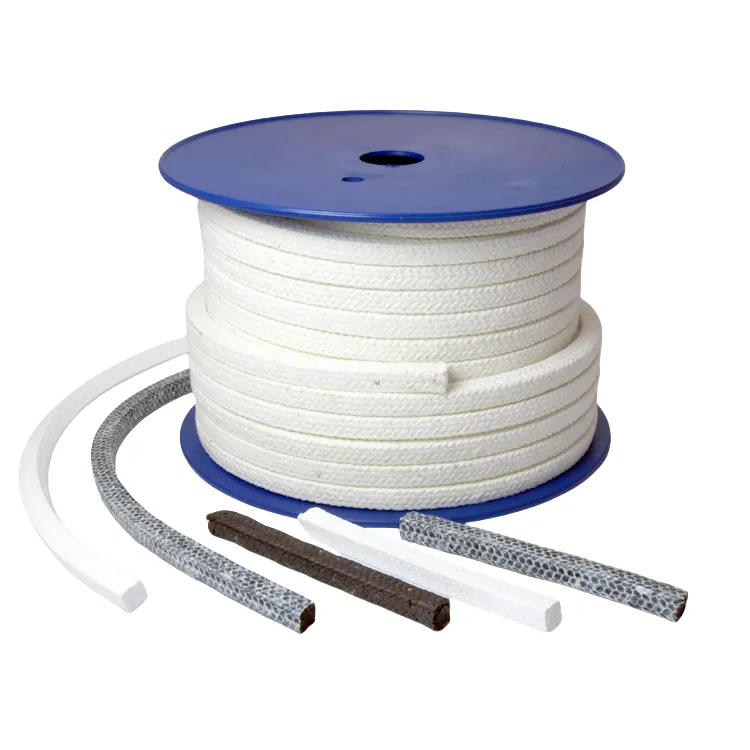
Installation and Maintenance: Critical Control Points in Engineering Practice The sealing reliability of PTFE packing depends not only on the quality of the itself but more importantly on the refined control of installation and maintenance. Before installation, the stuffing box and shaft surface must be thoroughly cleaned to remove oil, rust, scratches, and old packing residue, ensuring the contact surfaces are clean and smooth; meanwhile, the shaft diameter and stuffing box dimensions must be measured to accurately calculate the cross-sectional size and length of the packing avoiding sealing failure caused by dimensional deviations. When cutting the packing rings, a mandrel with the same diameter as the shaft must be used to ensure the cut is smooth, burr-free, and an accurate angle. During installation, the packing rings must be placed into the stuffing box one by one, with the cut of each ring staggered by more than 90° to prevent leakage by aligned cuts. After installing each ring, a compaction tool must be used to press it firmly, ensuring the packing ring fits perfectly against the stuffing box wall and the shaft surface. Once installation is complete the gland nuts should be tightened gradually to avoid over-tightening at once, which could cause the packing rings to overheat and burn. After starting the equipment, a slight leakage of packing rings must be allowed to lubricate the shaft surface and carry away frictional heat. Within one hour of operation, the gland nuts should be gradually adjusted to reduce the leakage to the allowable value, ensuring no heat generation at the stuffing box. In the maintenance phase, a usage log for the packing rings must be established to record the installation time, operating parameters, leakage, and maintenance status, providing data support for subsequent selection and installation. The leakage amount and stuffing box temperature of the packing rings must be checked regularly; if the leakage is excessive or the temperature too high, the gland nuts must be adjusted or the packing rings replaced promptly. For reusable packing rings, an appearance inspection and dimensional measurement must be performed after disassembly. If the surface of the ring shows wear, deformation, or aging, it must be repaired or replaced; if the packing ring exhibits delamination or loosening, it must be replaced with a new one to avoid sealing degradation caused by reuse.
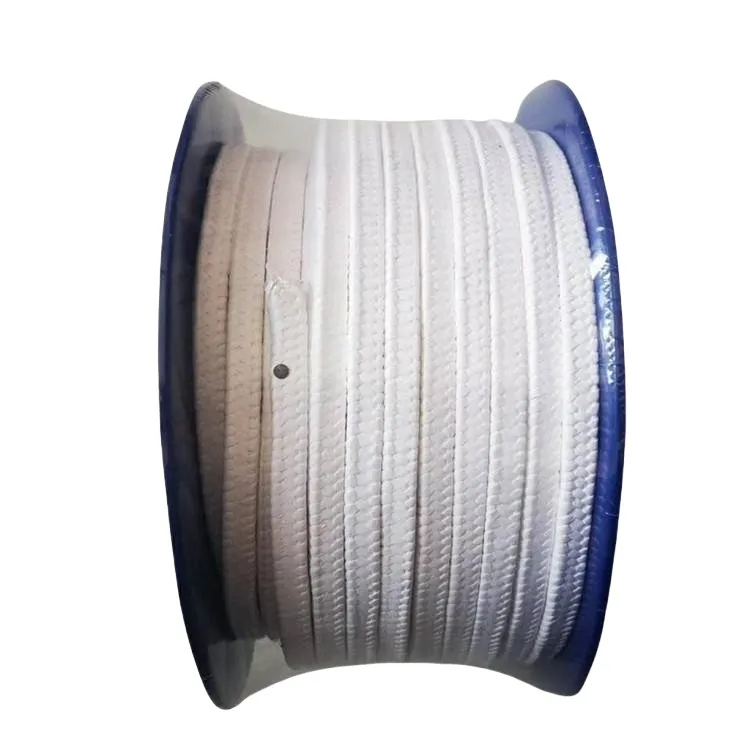
Conclusion: The Engineering Rationality Behind Chemical Inertness The widespread application of PTFE packing reflects a paradigm shift in industrial sealing technology from " contact" to "flexible dynamic balance." It retains the chemical inertness and wide temperature range adaptability of PTFE, while effectively compensating for cold flow and extrusion defects through braiding processes and material modification providing a durable and reliable seal under dynamic operating conditions. This dynamic sealing characteristic enables it to play an irreplaceable role across a broad spectrum of scenarios, ranging from conventional conditions to hightemperature and high-pressure environments, and from corrosive media to frequent start-stop operations. With the continuous explosion of emerging industries such as new energy, biopharmaceuticals, semiconductors, hydrogen energy, the performance requirements for PTFE packing are steadily climbing. In the future, higher temperature resistance, stronger anti-cold flow properties, lower friction, and greater intelligence will become main directions for the technological development of PTFE packing. For engineers and material researchers, a deep understanding of the material essence, performance boundaries, and installation logic of PTFE packing not only helps making better selection decisions for current projects but also reserves critical technical knowledge to tackle more stringent sealing challenges in the future. Within this seemingly ordinary white braided material lies the engineering rationality and scientific spirit the continuous advancement of industrial sealing technology.
Recently Posted
-
O-ring: The "Invisible Contract" of Industrial Sealing and the Philosophy of Working Conditions
August 7, 2026In the vast and complex system of industrial equipment, people often marvel at the meshing of precision gears or the pressurebeari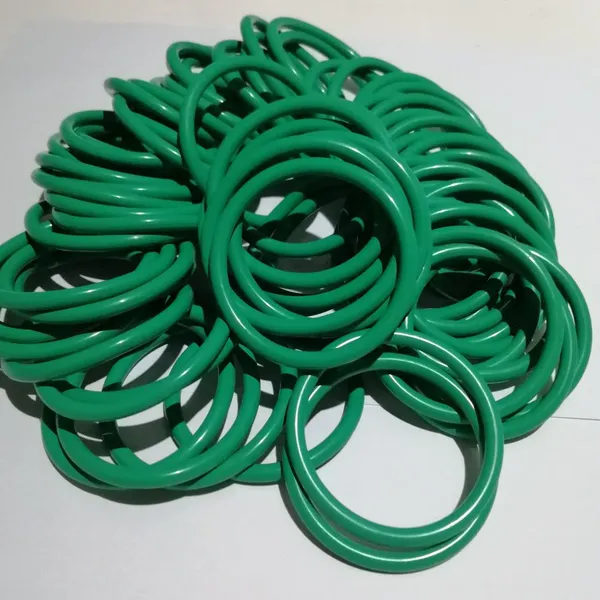 Read More
 -
Nano-aerogel felt: "Super insulation" breaking thermodynamic limits and industrial reshaping
August 7, 2026Under the grand narrative of the global energy structure transition and the "dual carbon" goals, energy conservation and Read More
 -
Aluminum Gaskets: The "Flexible Contract" in Industrial Connections
August 5, 2026In industrial systems such as mechanical manufacturing, petrochemicals, electronics, and aerospace, aluminum gaskets/washers, as f Read More
 -
Qingke Paper: The "Paper Armor" and Insulation Philosophy in the Electronics and New Energy Sectors
August 5, 2026Inside new energy batteries, precision motors, and various electronic and electrical devices, countless tiny components are hidden Read More

Contact Us
Recommended Products
-
 Colored Silicone Flat Washer FF Full Surface With Water Line Silicone Pad High Temperature Resistant 230℃ Valve Pipe Sealing GasketNegotiableMOQ: 100 Blades
 -
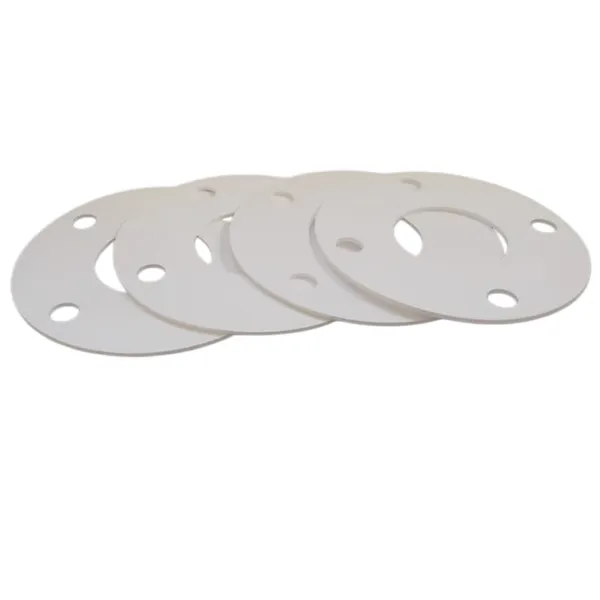
PTFE Gasket With Holes, National Standard Flange Multi-hole PTFE Sealing GasketNegotiableMOQ: 100 Blades
-
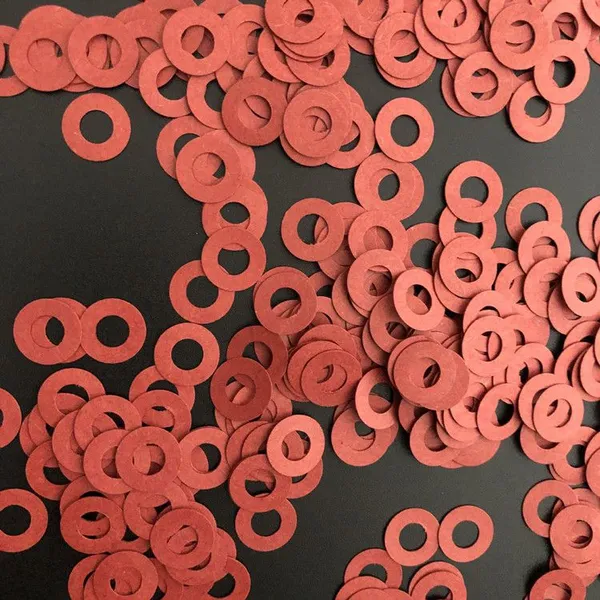
Red Steel Paper Gasket Insulation Flat Washer Red Mica Quick Connector Paper WasherNegotiableMOQ: 100 Blades
-
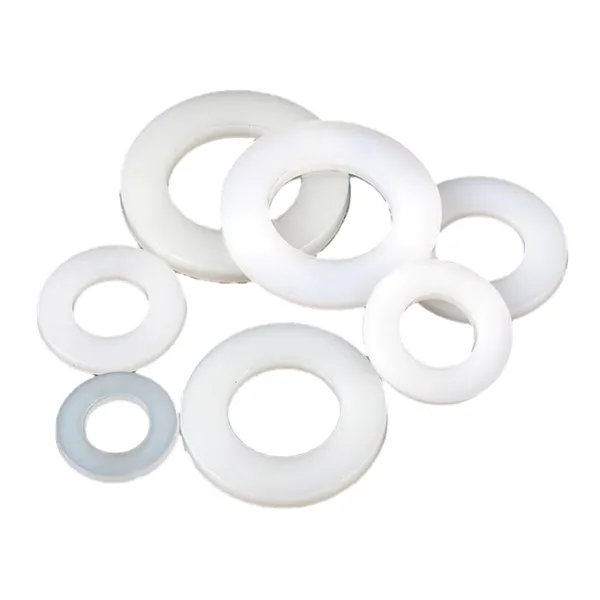
Nylon Washer Black Plastic Flat Washer Insulating Shock-absorbing Wear-resistant Self-lubricatingNegotiableMOQ: 100 Blades
-
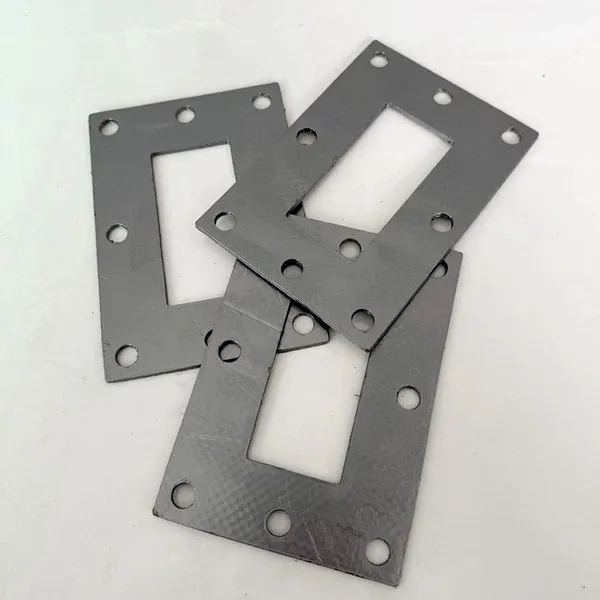
Perforated Graphite Composite Gasket 304 Stainless Steel Reinforced High Temperature and High Pressure Flange Gasket Boiler SteamNegotiableMOQ: 100 Blades
-
PTFE Filter Gasket With Stainless Steel Mesh; PTFE Filter Sealing Gasket With Stainless Steel MeshNegotiableMOQ: 100 Blades
-
Metal Reinforced PTFE PTFE Gasket Chemical Corrosion Resistant GasketNegotiableMOQ: 100 Blades
-
Reinforced Metal Winding Gasket 304 Stainless Steel Flange Sealing GasketNegotiableMOQ: 100 Blades
-
Filter Mesh Winding Gasket 304 Stainless Steel Inner and Outer Ring GasketNegotiableMOQ: 100 Blades
-
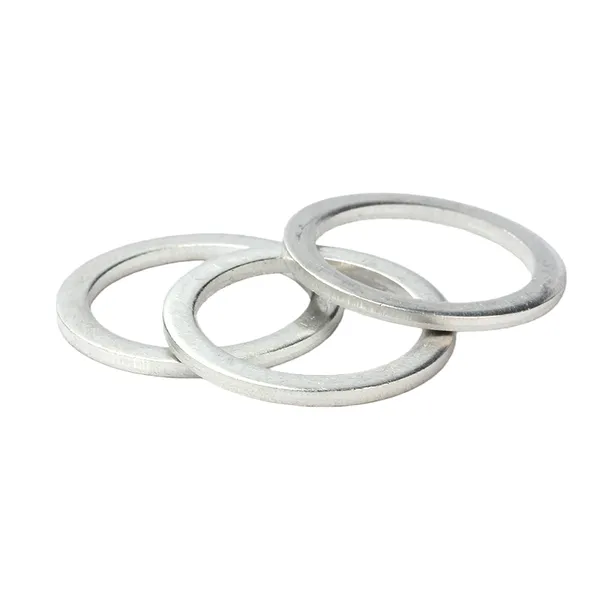
Pure Aluminum Gasket Soft Aluminum Flat Washer 0.1-3mm High Temperature Resistant Sealing Aluminum WasherNegotiableMOQ: 100 Blades
-
Metal Octagonal Ring Gasket Oval Gasket 304/316L Stainless Steel Metal Ring Gasket RJ Flange GasketNegotiableMOQ: 100 Blades
-
Basic Metal Spiral Wound Gasket 304 Graphite Spiral Wound Gasket Tongue and Groove FlangeNegotiableMOQ: 100 Blades
-
Metal Graphite Spiral Wound Gasket High Temperature Flange Pipe Sealing GasketNegotiableMOQ: 50 Blades
-
Stainless Steel Flexible Graphite Corrugated Composite Gasket Irregular Thick Reinforced High Temperature and High Pressure Sealing GasketNegotiableMOQ: 100 Blades
-
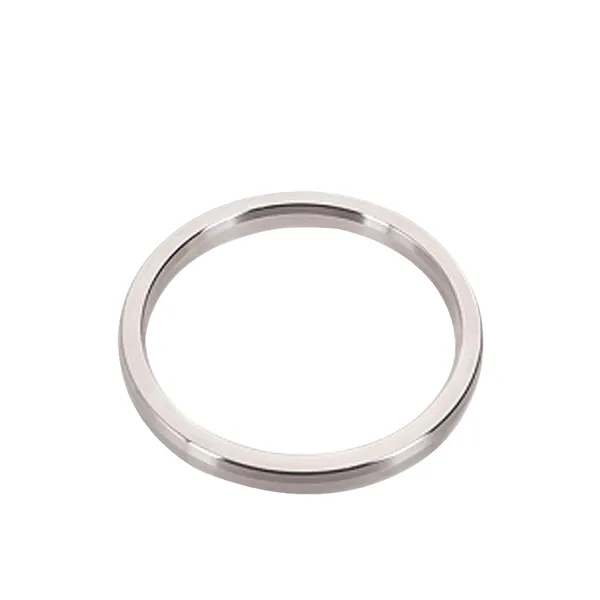
304 Stainless Steel Oval Metal Ring Gasket RJ Flange Oval Gasket High Pressure and High Temperature Resistant Sealing WasherNegotiableMOQ: 10 Units
-
PTFE Gasket, Polytetrafluoroethylene Sealing Gasket, White Teflon Flat Gasket, High Temperature and Acid/alkali Resistant Industrial Flange WasherNegotiableMOQ: 25 Units
-
Elastic Expanded PTFE Gasket Soft Teflon Gasket Pipe Flange Sealing Gasket High and Low Temperature Corrosion Resistant Ready Stock Custom MadeNegotiableMOQ: 25 Units
-
Metal Lens Gasket, No-hole and With-hole Lens Gasket, High-pressure Angle Valve Hydrogen Pipeline Flange Sealing Gasket Custom-madeNegotiableMOQ: 25 Units
-
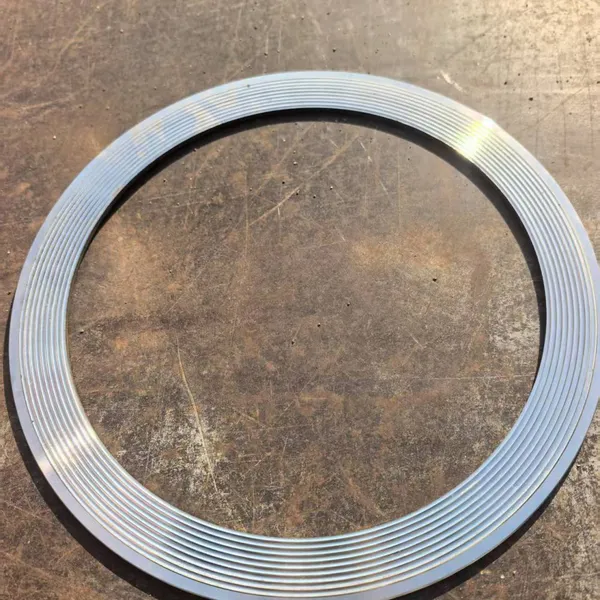
Metal Serrated Gasket | Wave Profile Composite Gasket for High Temperature and High Pressure Flange SealingNegotiableMOQ: 100 Blades
-
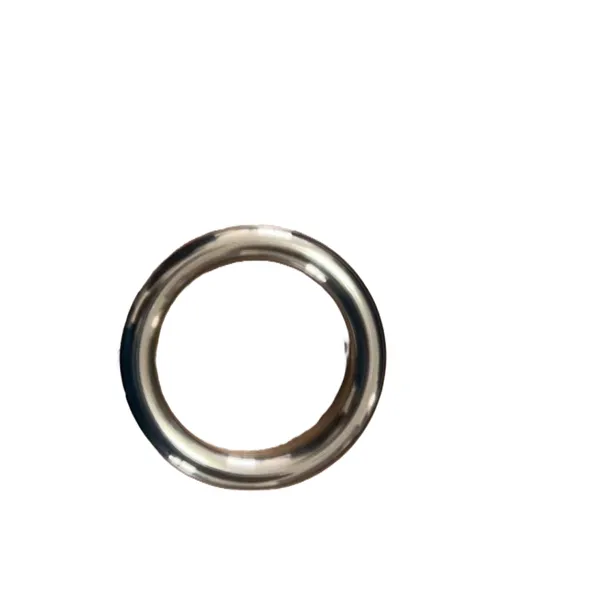
High Temperature and High Pressure Octagonal Ring Joint Gasket Oval Flange Gasket Carbon Steel 304 316 Stainless SteelNegotiableMOQ: 1 Unit