 Business License

PTFE Flexible Seal: The "Flexible Covenant" of Flange Sealing
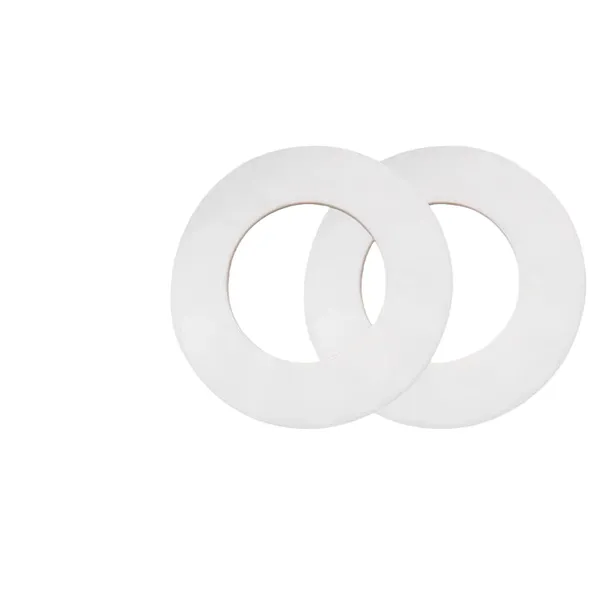
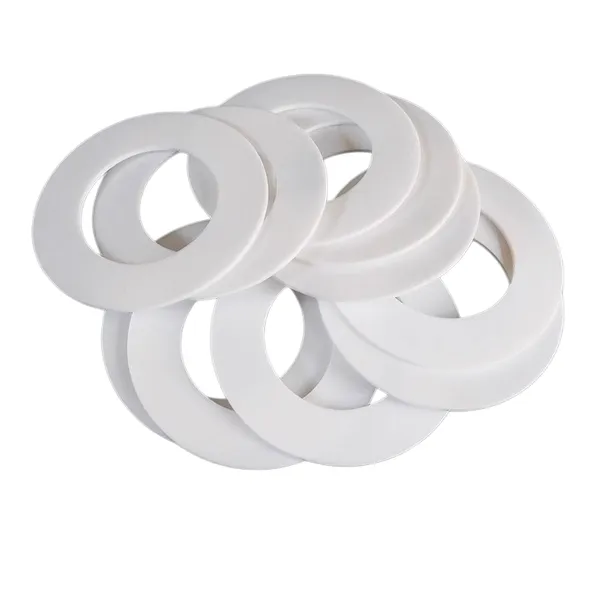
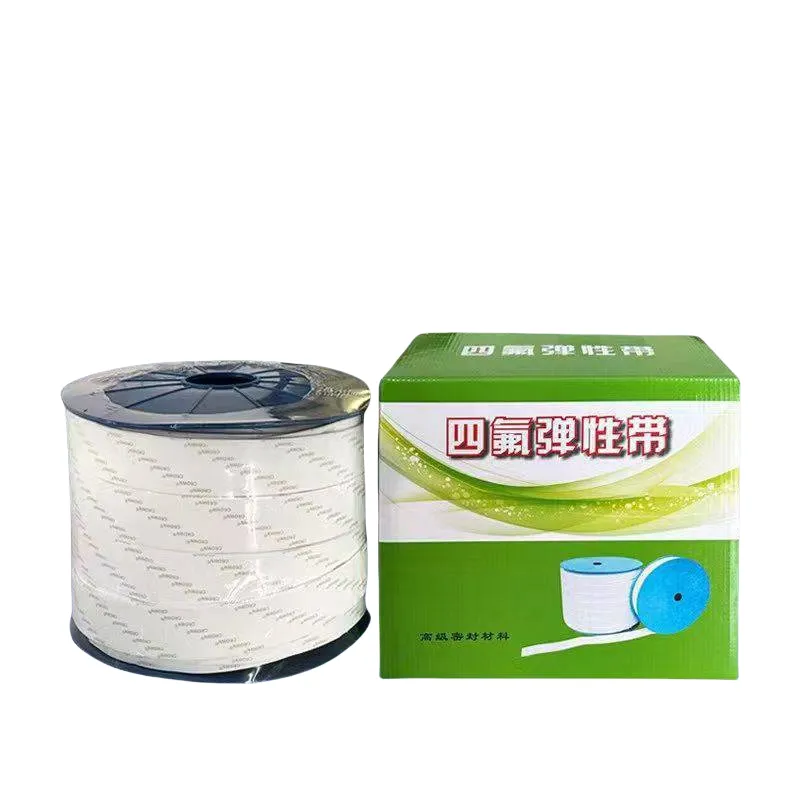
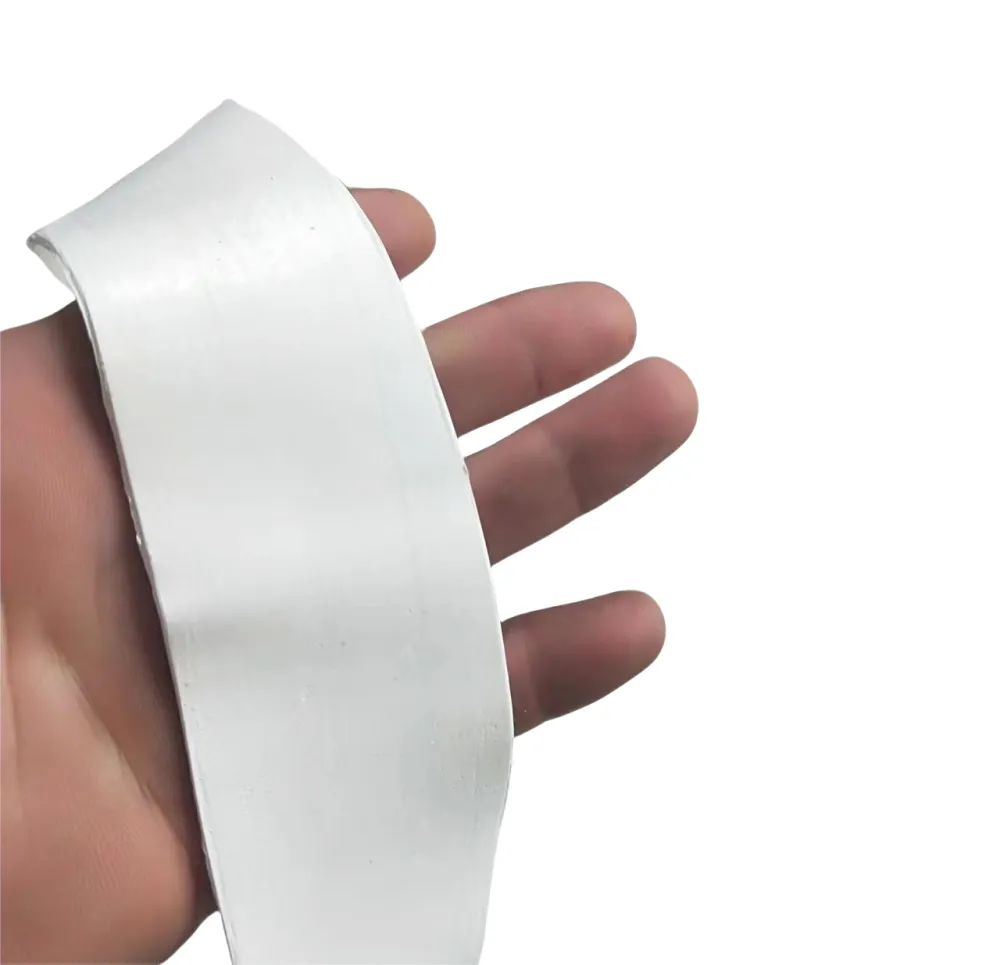
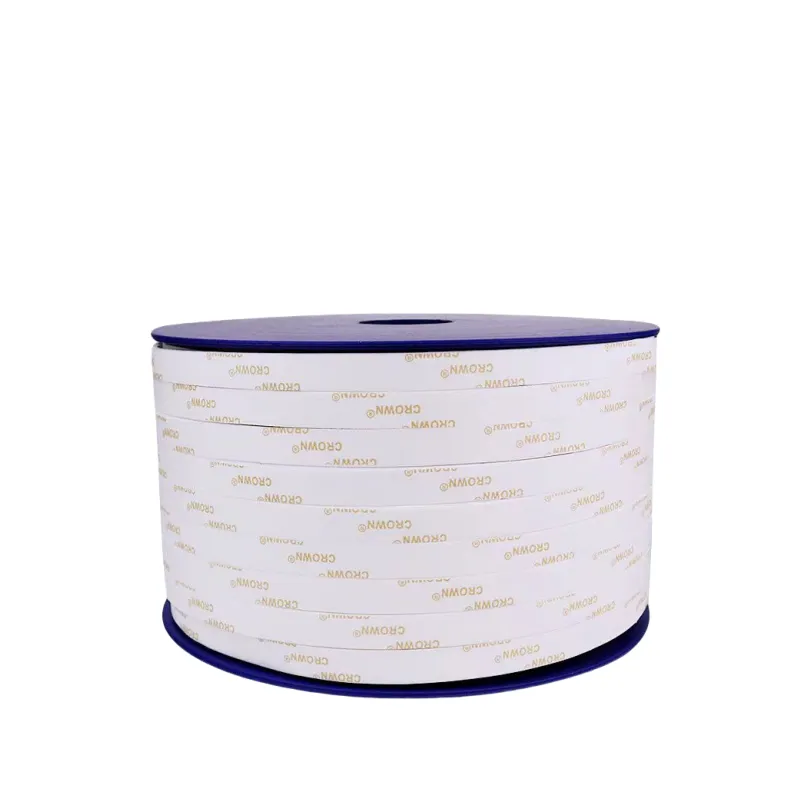
In the complex operating conditions of chemical, petrochemical, pharmaceutical, and new energy equipment industries, the sealing reliability of connections has always been a core issue for production safety and equipment lifespan. Facing severe challenges such as highly corrosive media, frequent thermal cycling, large-diameter non-standard flanges, and surface machining precision, traditional fixed gaskets often fall into the dilemma of "mismatched dimensions, cold flow relaxation, and installation waste." PTFE Elastic Tape, also known as expanded PTFE tape as a continuous strip sealing material made of pure PTFE dispersion resin through strip pressing and high-temperature stretching, has established an irreplaceable engineering position in the industrial sealing field with its unique "flexible" and "self-tightening sealing" mechanisms. It is not only a physical barrier in flange connections but also a concentrated embodiment of the "overcoming rigidity with flexibility and precise" design philosophy in the industrial sealing field. Understanding PTFE elastic tape is essentially understanding how to achieve a fundamental improvement in sealing reliability and economic benefits through the synergy of material science and installation technology complex operating conditions. Material Essence: Molecular Reconstruction and the Birth of "Self-Tightening" Sealing The core value of PTFE elastic tape stems from its unique expanded technology and molecular structure reconstruction. It is made of pure PTFE dispersion resin through special processes such as strip pressing and high-temperature stretching. This process forms a uniform microporous structure within material, significantly improving flexibility and compression recovery rate. This structure not only retains the inherent characteristics of PTFE, such as chemical corrosion resistance, high and low temperature resistance, self-lubric, and non-stickiness, but also fundamentally overcomes the inherent defects of pure PTFE gaskets, such as easy cold flow and poor recovery. More importantly, PTFE elastic tape possesses a selftightening sealing characteristic where "the higher the pressure, the greater the sealing force." When the medium pressure acts on the sealing tape, its internal microporous structure is further compressed and the material fills the voids and grooves of the flange sealing surface, blocking the interface leakage channels. This "self-adaptive" mechanism allows it to perfectly adapt to large-diameter equipment flanges poor surface machining precision, large uneven areas, and irregular shapes, and can even "revive" old equipment that has failed due to corrosion, erosion, or wear. Meanwhile, its tapelike adhesive back design makes installation extremely convenient. After cutting the required length, the two ends can be crossed and overlapped to form a sealing ring of any size and shape, with almost no of scrap material, achieving the dual optimization of sealing performance and economic benefits.
Performance Boundaries: A Dialectical Understanding of Advantages and Limitations The performance advantages of PTFE elastic bands are irreplaceable under specific operating conditions Their temperature resistance range covers -200°C to 280°C, adapting to the operating requirements of most chemical, petrochemical, food and beverage, and power industries they exhibit excellent corrosion resistance, withstanding almost all chemical media with a pH value of 0-14 except for elemental fluorine, molten alkali metals, and a few fluorides, and remaining even when boiled in aqua regia; they possess exceptional flexibility and compression set, enabling them to fit tightly against irregular sealing surfaces and maintain a stable seal even after the release of bolt preload; meanwhile, their-lubricating and non-stick properties ensure they do not contaminate the contact fluid, perfectly meeting the stringent cleanliness requirements of the pharmaceutical, food, and semiconductor industries. In sealing for reactors, steam turbine generators, irregular-shaped tank ports, drums, and various pipeline flanges, the sealing life of PTFE elastic bands can reach several years, significantly reducing equipment maintenance costs and risk of unplanned downtime. However, their limitations also require engineers to maintain a clear understanding. First, PTFE elastic bands are medium-to-low pressure sealing materials, with a maximum operating typically not exceeding 6.3 MPa (some products can reach 20 MPa), making them not the optimal solution for ultra-high pressure conditions; second, their upper temperature limit (80°C) is lower than that of flexible graphite gaskets (550°C) and metal-wound gaskets (650°C ), requiring cautious use in-high temperature conditions; furthermore, although their creep resistance is superior to pure PTFE, slight cold flow may still occur under long-term high temperature and high pressure, necessitating regular verification of preload; additionally, their performance is highly dependent on installation techniques, as improper overlapping at the ends or uneven bolt tightening force can easily lead to leakage at the joints, placing high demands on the standardization of installation personnel.
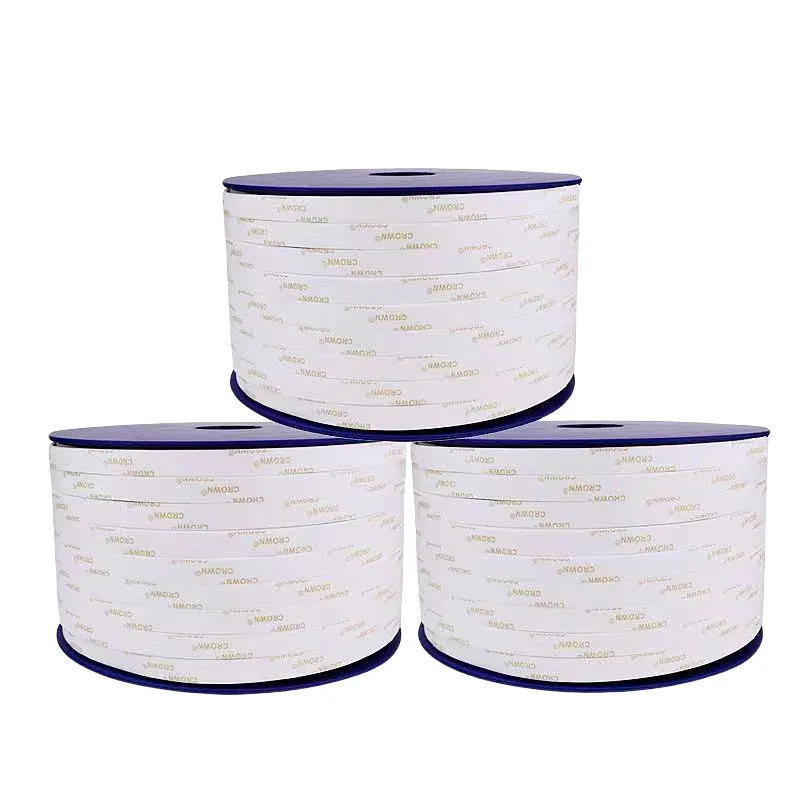
Structural Innovation: From Pure PTFE Elastic Tape to Modified Filler-Based Application Adaptation To break through the performance boundaries of pure PTFE elastic tape, the industry developed various modified filler-filled PTFE elastic tapes, achieving an iteration from "single corrosion resistance" to "comprehensive performance balance." Copper-filled PTFE tape, by incorporating wear-resistant such as copper powder, significantly enhances the material's wear resistance and compressive strength, making it suitable for operating conditions with slight wear or significant pressure fluctuations; graphite-filled PTFE tape utilizes the lubricating thermal conductivity properties of graphite to improve the gasket's compression recovery and thermal stability, making it suitable for scenarios with large temperature fluctuations and high requirements for the friction coefficient; modified tape, through the addition of special wear-resistant agents, further enhances the material's impact resistance and sealing performance, making it suitable for equipment with frequent vibrations or complex operating conditions. Meanwhile the specifications and customization capabilities of PTFE elastic tape are continuously being optimized. Product widths range from 10mm to 100mm, thicknesses from 0.02mm 3.00mm, and lengths can be customized to 10m, 25m, 50m, etc., according to customer needs, meeting different coverage areas installation requirements. Some manufacturers also offer special specification options such as high purity, food grade, and anti-static, and support customized development for non-standard flanges, special media, or extreme conditions—such as adjusting elasticity parameters, optimizing stretching processes, and providing professional winding and installation guidance—enabling PTFE elastic tape to precisely match various complex operating conditions and avoid losses and failures by material mismatch.
Standards and Selection: Technical Red Lines for Operating Conditions Adaptation The selection of PTFE elastic gaskets must strictly follow the four-dimensional matching principle "medium-temperature-pressure-flange". For sealing corrosive media in conventional chemical and petrochemical industries, pure PTFE elastic gaskets are preferred, with the width selected according to the flange surface size and the thickness controlled between 3mm and 6mm; for operating conditions with wear resistance requirements or large pressure fluctuations, copper or graphite-filled PTFE elastic gaskets be selected to enhance compression and wear resistance; for clean operating conditions such as food, pharmaceuticals, and semiconductors, high-purity, food-grade PTFE elastic gaskets must be selected ensure the material is non-toxic, free of harmful substance release, and that dimensional accuracy complies with GMP standards. When selecting, special attention must be paid to the following technical red: First, the upper temperature limit, the long-term operating temperature of PTFE elastic gaskets must not exceed 280°C, and the short-term maximum temperature tolerance about 316°C; exceeding this temperature will lead to material softening and degradation of sealing performance; second, the pressure limit, PTFE elastic gaskets are suitable for medium and low- conditions, and the maximum operating pressure usually does not exceed 6.3MPa; ultra-high-pressure scenarios require alternative solutions such as metal-wound gaskets or metal octagonal; third, medium compatibility, although PTFE elastic gaskets have excellent corrosion resistance, they should still be avoided in extreme media such as elemental fluorine, molten alkali metals, and high-, high-pressure hydrogen fluoride; fourth, flange adaptability, PTFE elastic gaskets have high requirements for the cleanliness of the flange sealing surface, and before installation, oil stains, rust, and old residues must be thoroughly removed, and bolt tightening must adopt a diagonal cross and step-by-step incremental method to ensure uniform stress on the gasket
Installation and Maintenance: Key Control Points in Engineering Practice The sealing reliability of PTFE elastic bands depends not only on the quality of the product itself more importantly on the refined control of installation and maintenance. Before installation, the flange sealing surface must be thoroughly cleaned to ensure it is clean, flat, and scratch-free; choose a elastic band of appropriate width, peel off the adhesive protective paper, and press the sealing band onto the outer edge of the sealing surface. The two ends should overlap at a certain bolt with more than 2 cm remaining beyond the overlap point (for flat flanges, they must overlap; for grooved flanges, they can be parallel with an overlap of more than 2 cm). After the corresponding sealing surfaces, tighten the bolts using a diagonal cross pattern and a step-by-step incremental method, gradually reaching the specified torque in 3-4 stages. After each tightening, the of the flange gap must be checked to ensure the overlap area is compressed to the same thickness as other parts to prevent leakage. In the maintenance phase, a usage log for the bands must be established to record the installation time, operating parameters, tightening torque, and leakage status, providing data support for subsequent selection and installation. PTFE elastic bands are reusable, but they must a visual inspection after disassembly. If scratches, deformation, or cold flow phenomena are found on the surface, they must be repaired or replaced; if issues such as delamination or loosening occur, new sealing band must be installed to avoid sealing performance degradation due to reuse. Meanwhile, the bolt preload of the flange system should be checked regularly. If bolts are found to be loose or the flange has increased, they must be retightened promptly to prevent leakage caused by insufficient preload. Additionally, the installation environment should be kept clean to prevent hard particles like sand from entering the gaps the elastic band and causing wear. Avoid long-term operation exceeding specifications in high-temperature environments, and prevent brittle fracture in low-temperature environments
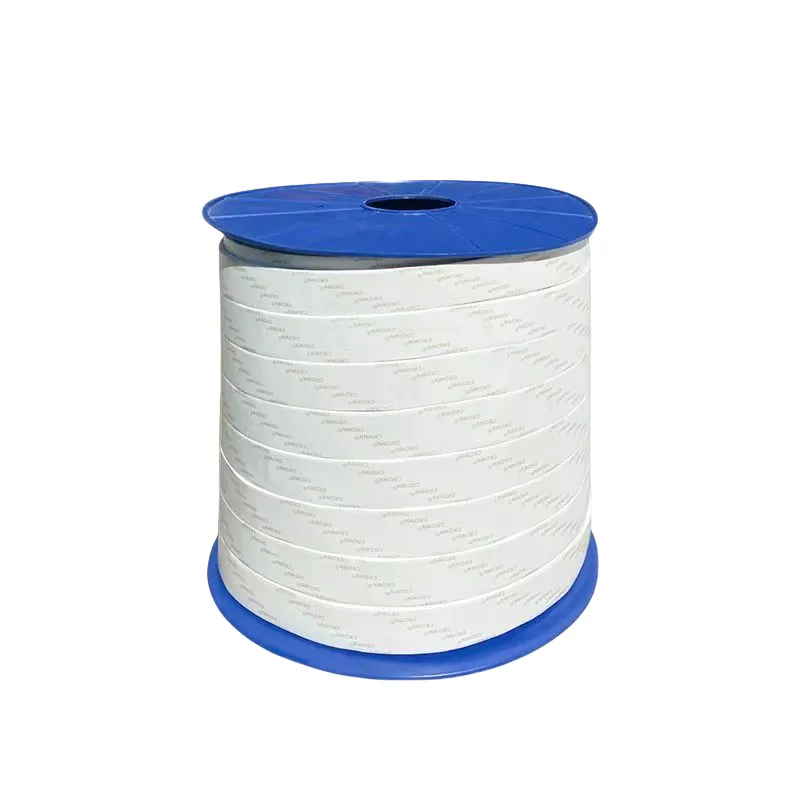
Conclusion: The Engineering Rationality Behind Flexible Sealing The widespread application of PTFE expanded polytetrafluoroethylene (ePTFE) tape reflects paradigm shift in industrial sealing technology from "rigid fitting" to "flexible precision fitting." It retains the chemical inertness and wide temperature range adaptability of PTFE, while effectively compensating for the mismatch and cold flow defects of traditional fixed gaskets through the expanded process and self-tightening sealing mechanism, providing a durable and reliable seal under complex operating conditions. This characteristic of adaptation allows it to continue playing an irreplaceable role across a broad spectrum of scenarios, from conventional chemical industries to high-end compliance, and from standard flanges to non-standard equipment. With the explosion of emerging industries such as new energy, biopharmaceuticals, semiconductors, and hydrogen energy, the performance requirements for PTFE expanded tape are also constantly rising. In the future, higher temperature resistance, creep resistance, greater intelligence, and more customization will become the main directions for the technological development of PTFE expanded tape. For engineers and material researchers, a deep understanding of the material essence performance boundaries, and installation logic of PTFE expanded tape not only helps in making better selection decisions for current projects but also reserves critical technical knowledge to cope with more stringent sealing challenges in the future. Within ordinary white tape material lies the engineering rationality and scientific spirit of the continuous progress of industrial sealing technology.
Recently Posted
-
O-ring: The "Invisible Contract" of Industrial Sealing and the Philosophy of Working Conditions
August 7, 2026In the vast and complex system of industrial equipment, people often marvel at the meshing of precision gears or the pressurebeari Read More
 -
Nano-aerogel felt: "Super insulation" breaking thermodynamic limits and industrial reshaping
August 7, 2026Under the grand narrative of the global energy structure transition and the "dual carbon" goals, energy conservation and Read More
 -
Aluminum Gaskets: The "Flexible Contract" in Industrial Connections
August 5, 2026In industrial systems such as mechanical manufacturing, petrochemicals, electronics, and aerospace, aluminum gaskets/washers, as f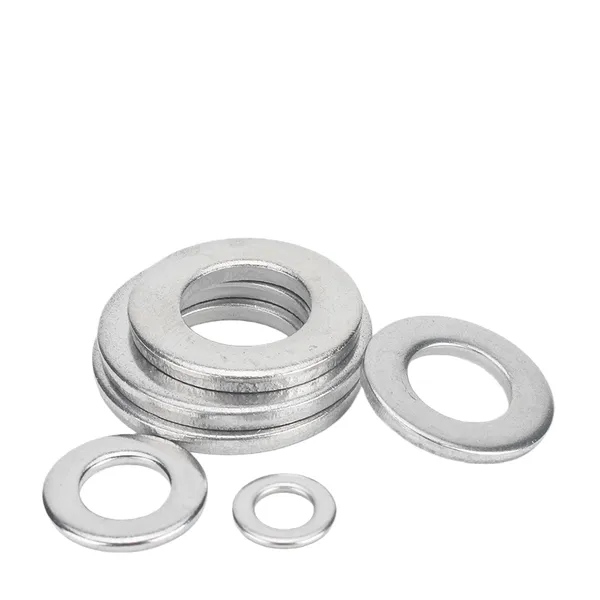 Read More
 -
Qingke Paper: The "Paper Armor" and Insulation Philosophy in the Electronics and New Energy Sectors
August 5, 2026Inside new energy batteries, precision motors, and various electronic and electrical devices, countless tiny components are hidden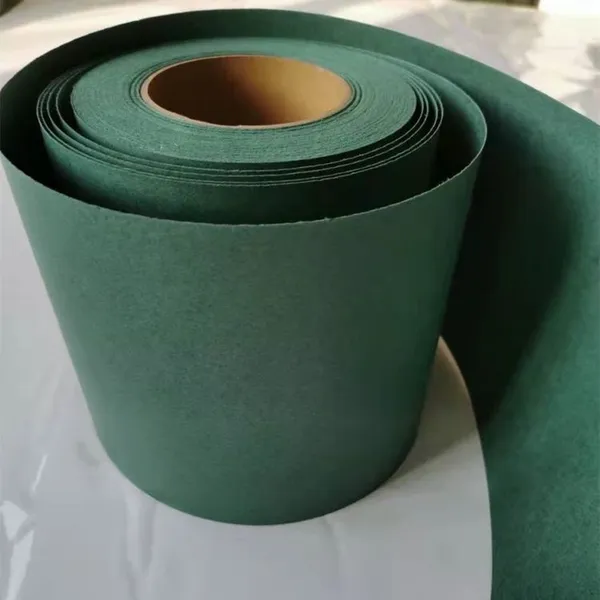 Read More

Contact Us
Recommended Products
-
 Colored Silicone Flat Washer FF Full Surface With Water Line Silicone Pad High Temperature Resistant 230℃ Valve Pipe Sealing GasketNegotiableMOQ: 100 Blades
 -
PTFE Gasket With Holes, National Standard Flange Multi-hole PTFE Sealing GasketNegotiableMOQ: 100 Blades
-
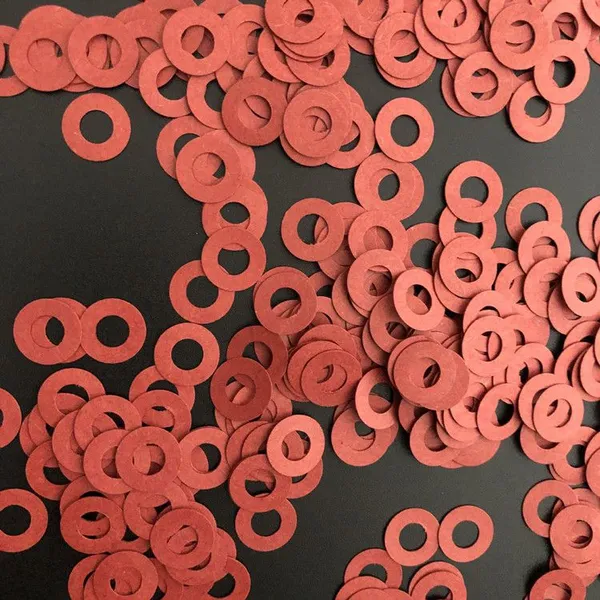
Red Steel Paper Gasket Insulation Flat Washer Red Mica Quick Connector Paper WasherNegotiableMOQ: 100 Blades
-
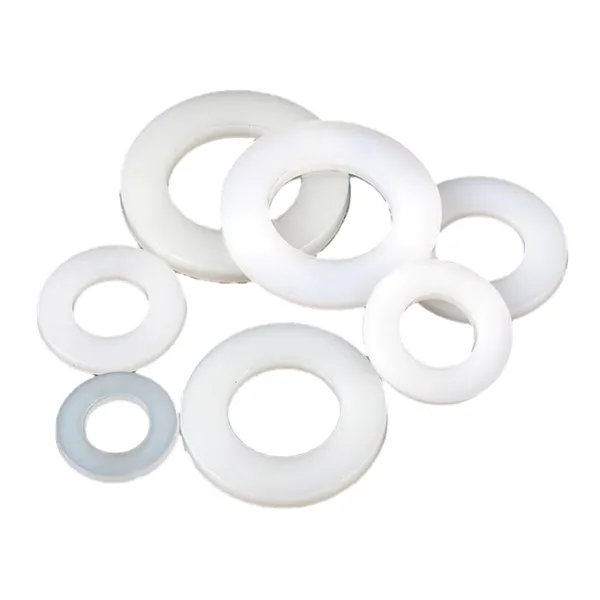
Nylon Washer Black Plastic Flat Washer Insulating Shock-absorbing Wear-resistant Self-lubricatingNegotiableMOQ: 100 Blades
-
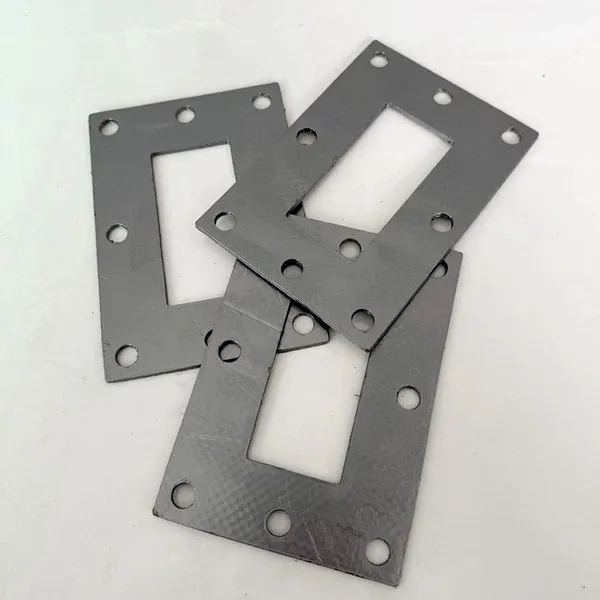
Perforated Graphite Composite Gasket 304 Stainless Steel Reinforced High Temperature and High Pressure Flange Gasket Boiler SteamNegotiableMOQ: 100 Blades
-
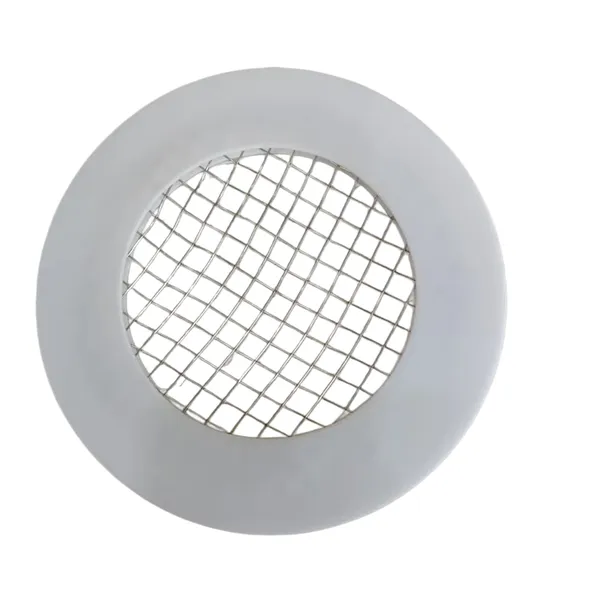
PTFE Filter Gasket With Stainless Steel Mesh; PTFE Filter Sealing Gasket With Stainless Steel MeshNegotiableMOQ: 100 Blades
-
Metal Reinforced PTFE PTFE Gasket Chemical Corrosion Resistant GasketNegotiableMOQ: 100 Blades
-
Reinforced Metal Winding Gasket 304 Stainless Steel Flange Sealing GasketNegotiableMOQ: 100 Blades
-
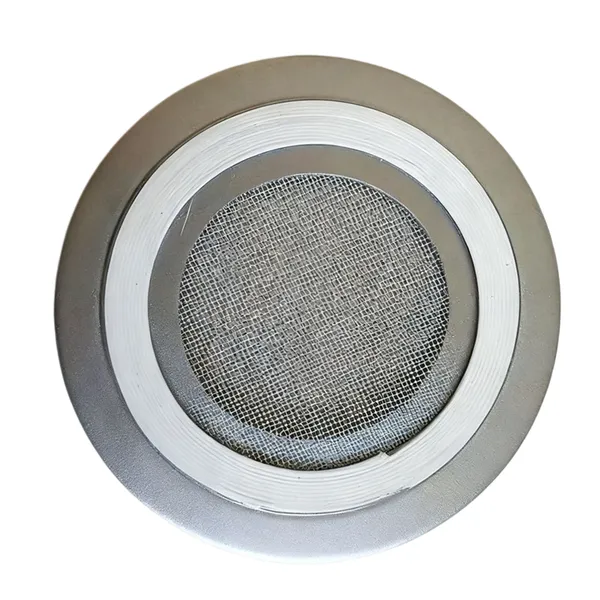
Filter Mesh Winding Gasket 304 Stainless Steel Inner and Outer Ring GasketNegotiableMOQ: 100 Blades
-
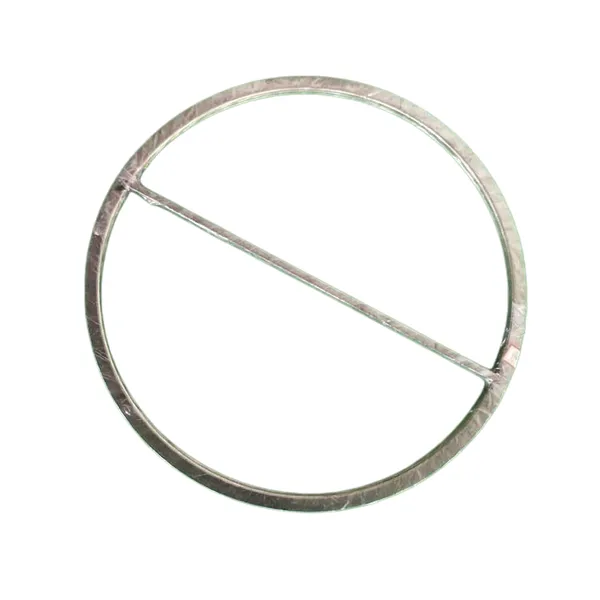
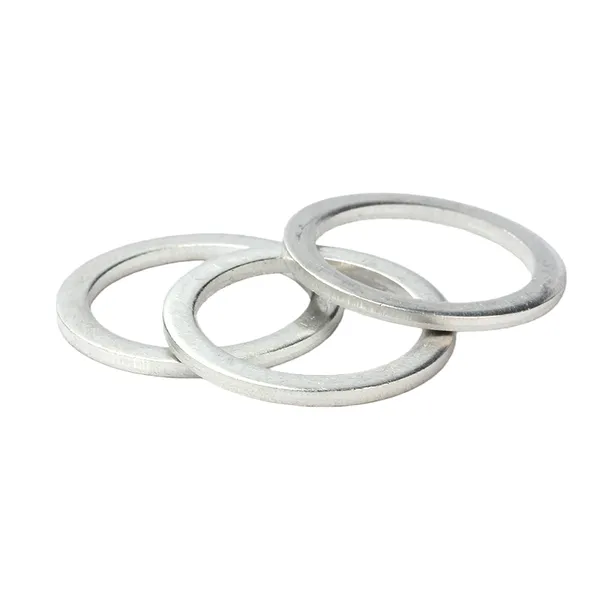
Pure Aluminum Gasket Soft Aluminum Flat Washer 0.1-3mm High Temperature Resistant Sealing Aluminum WasherNegotiableMOQ: 100 Blades

-
Metal Octagonal Ring Gasket Oval Gasket 304/316L Stainless Steel Metal Ring Gasket RJ Flange GasketNegotiableMOQ: 100 Blades
-
Basic Metal Spiral Wound Gasket 304 Graphite Spiral Wound Gasket Tongue and Groove FlangeNegotiableMOQ: 100 Blades
-
Metal Graphite Spiral Wound Gasket High Temperature Flange Pipe Sealing GasketNegotiableMOQ: 50 Blades
-
Stainless Steel Flexible Graphite Corrugated Composite Gasket Irregular Thick Reinforced High Temperature and High Pressure Sealing GasketNegotiableMOQ: 100 Blades
-
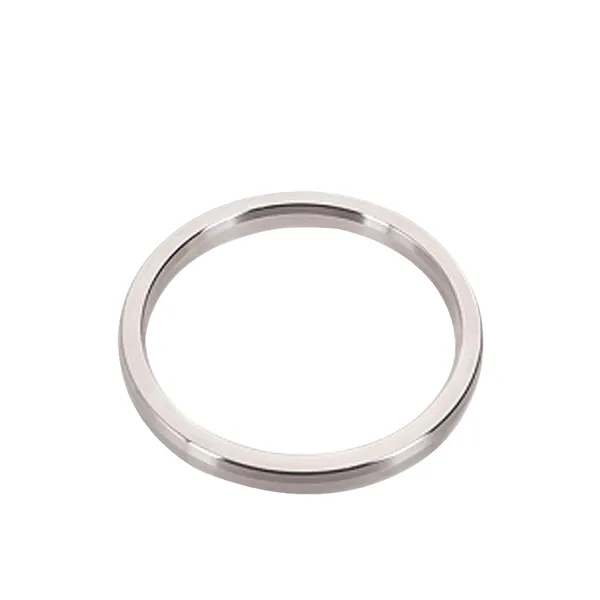
304 Stainless Steel Oval Metal Ring Gasket RJ Flange Oval Gasket High Pressure and High Temperature Resistant Sealing WasherNegotiableMOQ: 10 Units
-
PTFE Gasket, Polytetrafluoroethylene Sealing Gasket, White Teflon Flat Gasket, High Temperature and Acid/alkali Resistant Industrial Flange WasherNegotiableMOQ: 25 Units
-
Elastic Expanded PTFE Gasket Soft Teflon Gasket Pipe Flange Sealing Gasket High and Low Temperature Corrosion Resistant Ready Stock Custom MadeNegotiableMOQ: 25 Units
-
Metal Lens Gasket, No-hole and With-hole Lens Gasket, High-pressure Angle Valve Hydrogen Pipeline Flange Sealing Gasket Custom-madeNegotiableMOQ: 25 Units
-
Metal Serrated Gasket | Wave Profile Composite Gasket for High Temperature and High Pressure Flange SealingNegotiableMOQ: 100 Blades
-
High Temperature and High Pressure Octagonal Ring Joint Gasket Oval Flange Gasket Carbon Steel 304 316 Stainless SteelNegotiableMOQ: 1 Unit