 Business License

Pancake ring: The "labyrinth art" of dynamic sealing and the philosophy of operating condition
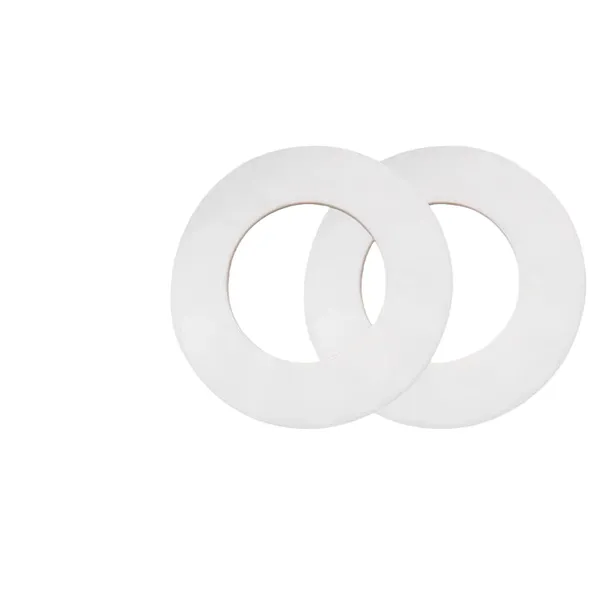
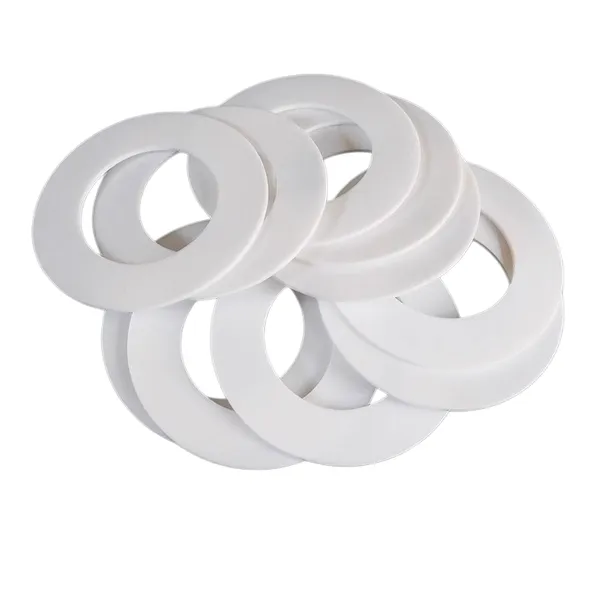
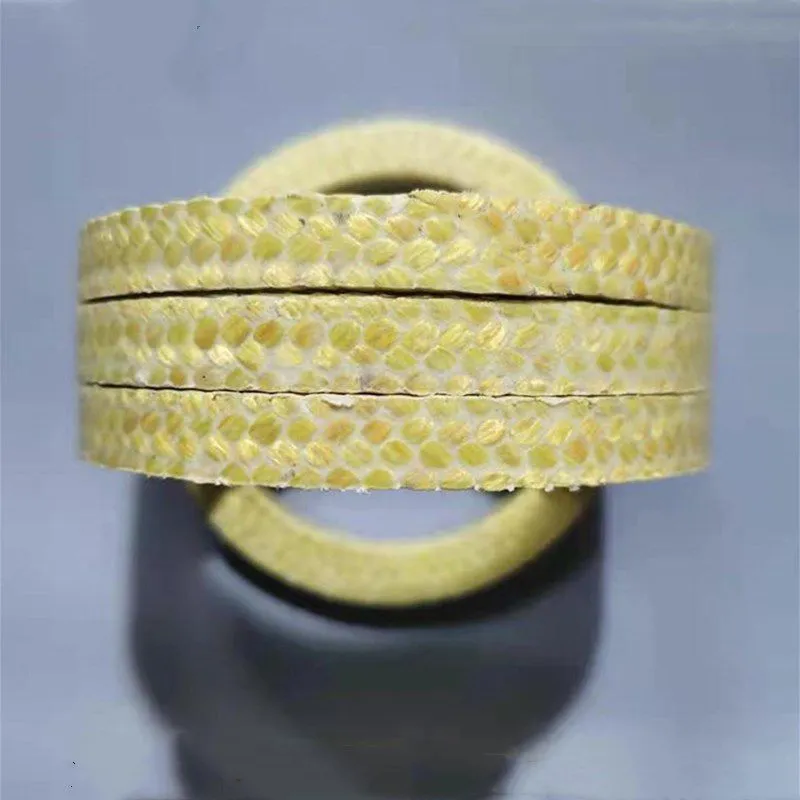
In the operational systems of petrochemicals, electric power, metallurgy, and heavy machinery, the reliability of shaft seals for equipment as pumps, valves, and agitators directly determines production safety and equipment lifespan. Facing the severe challenges of high temperature, high pressure, corrosive media, and frequent start-stop cycles traditional rigid seals often fail due to frictional wear or thermal stress. As a classic dynamic sealing component, the packing ring, with its unique synergistic mechanism of "labyrinth effect" and " effect," has established an irreplaceable engineering position in the sealing of rotating shafts, reciprocating rods, and agitator shafts. It is not only a physical barrier in equipment operation but also a concentrated of the "overcoming rigidity with flexibility and dynamic balance" design philosophy in the industrial sealing field. Understanding the packing ring is essentially understanding how to achieve a fundamental improvement in sealing and equipment lifespan under dynamic operating conditions through the synergy of material science and installation technology. Material Essence: The Iterative Leap from Asbestos to High-Performance Fibers The value of the packing ring stems from the performance iteration and structural optimization of its braided materials. Early asbestos packing has been phased out due to health risks, and modern packing rings are mainly from high-performance materials such as aramid fibers, carbon fibers, flexible graphite, polytetrafluoroethylene (PTFE), and high-water-based fibers. Aramid packing with its high strength and wear resistance, has become the mainstream choice for pump and valve sealing; carbon fiber packing, through its excellent thermal conductivity and self-lubricating properties, outstandingly in high-temperature and high-pressure steam conditions; flexible graphite packing, with its wide temperature range of -200°C to 550°C corrosion resistance, is the preferred choice for highly corrosive media in the chemical industry; and PTFE packing, with its chemical inertness and low friction coefficient, occupies an important position in operating conditions such as food and pharmaceuticals. A common characteristic of these materials is that they form a porous, flexible ring structure through the braiding process. Within the stuffing box, the compression force generates a radial compression force, causing the packing ring and the shaft surface to form countless tiny "labyrinth" gaps. When the pressurized medium passes through, it is repeatedly intercepted throttled, thereby achieving a seal. Meanwhile, the fit and friction between the packing ring and the shaft surface are similar to a sliding bearing, requiring sufficient lubricating media to form a film to reduce wear and carry away frictional heat—this is the "bearing effect." This dual "labyrinth bearing" mechanism enables the packing ring to achieve reliable sealing under dynamic operating and provides a certain degree of adaptability to shaft eccentricity and runout.
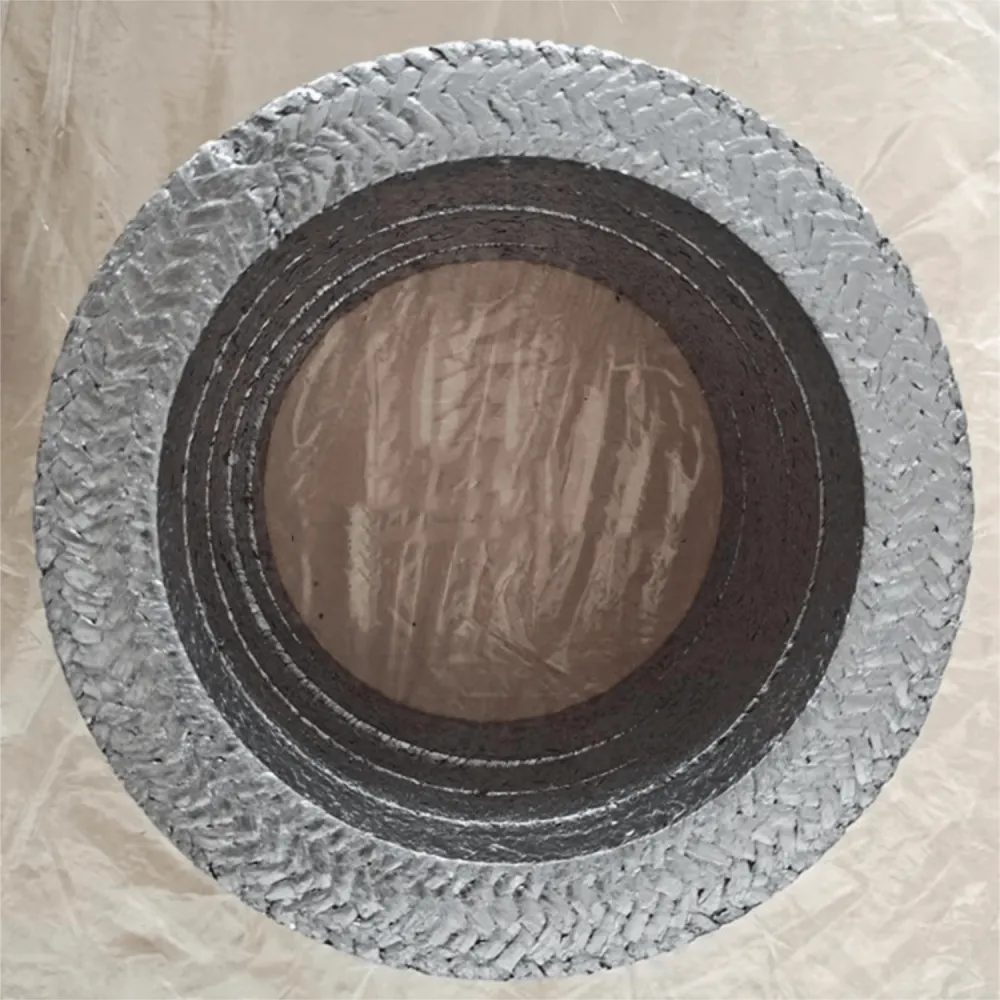
Performance Boundaries: A Dialectical Understanding of Advantages and Limitations The performance advantages of packing rings are particularly prominent in dynamic sealing applications Their flexible structure allows them to adapt to minor shaft eccentricity and runout, maintaining a stable seal even under conditions of frequent start-stops and pressure fluctuations; the diverse material options cover a temperature range from -200°C to 550°C and most media with pH values from 0 to 14; easy installation requires no precision machining can be cut to fit on-site, significantly reducing maintenance costs and the risk of unplanned downtime. In scenarios such as power plant feedwater pumps, chemical reactor agitators, and oil pumps, the sealing life of packing rings can reach thousands of hours, and they allow for a slight leakage to lubricate the shaft surface, avoiding bushing wear caused by dry friction., their limitations also require engineers to maintain a clear understanding. First, packing rings are contact seals with inherent frictional wear, requiring high surface roughness and hardness of the shaft; if shaft surface has scratches or insufficient hardness, it can easily lead to rapid wear and failure of the packing; second, their sealing performance highly depends on installation techniques and lubrication conditions; uneven gland force or insufficient lubrication will lead to excessive leakage or overheating and burning; furthermore, the temperature and pressure resistance of packing rings is limited by the material, such as PTFE packing being suitable for conditions ≤260°C, where exceeding the temperature will cause material softening and sealing failure; in addition, although the leakage amount of packing rings is controllable, zero cannot be achieved; in scenarios with extremely high environmental protection requirements, they must be used in conjunction with a seal liquid collection device or replaced with mechanical seals
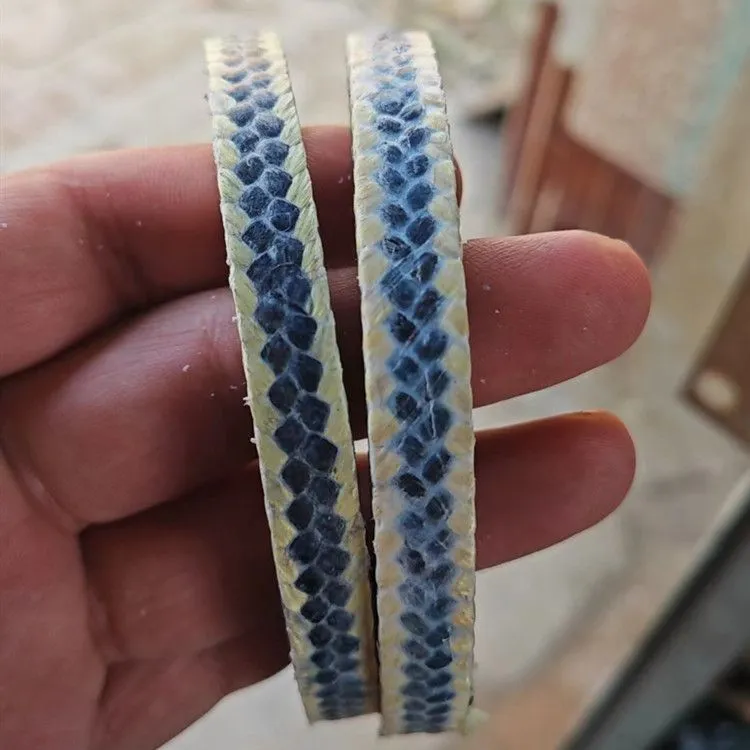
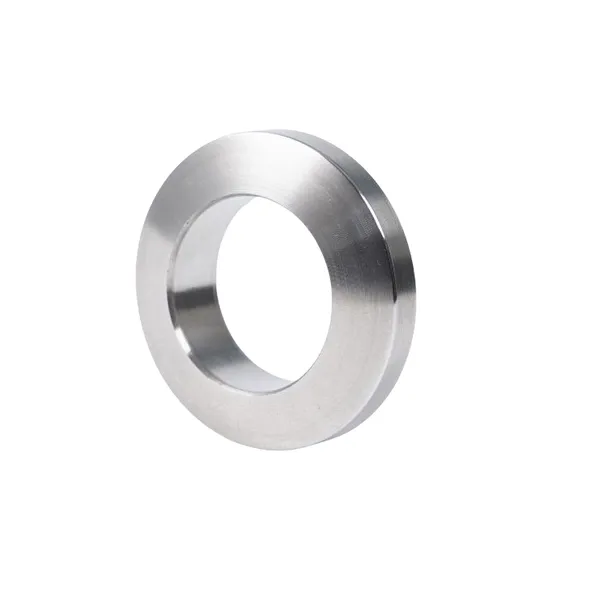
Structural Innovation: From Braided Rings to Compression Rings for Working Condition Adaptation To break through the performance limits of traditional braided packing, the has developed compression packing rings, which use a high-pressure compression process to form uniform-density, precisely dimensioned ring structures from materials such as flexible graphite and carbon fiber. Compression packing rings contain no fillers or binders, avoiding material delamination and performance degradation, and they perform excellently in ultra-high pressure and high-temperature working conditions. Their cross-section is typically square and be designed with a straight cut or a 45° bevel cut according to working condition requirements; the bevel cut effectively prevents media leakage at the cut edge, performing better in high- conditions. Meanwhile, packing rings can also be used in combination with metal rings, spacer rings, etc., to form a composite sealing structure. As a support component, the metal prevents the packing ring from extruding under high pressure; the spacer ring is used to separate packing rings of different materials or as an injection channel for lubricating media, further enhancing sealing reliability. large pumps and valves, a combination sealing method of "packing ring mechanical seal" is also commonly adopted. The packing ring serves as an auxiliary seal, handling pressure fluctuations and impurity, while the mechanical seal acts as the primary seal. Working in synergy, the two significantly improve the overall performance and service life of the sealing system
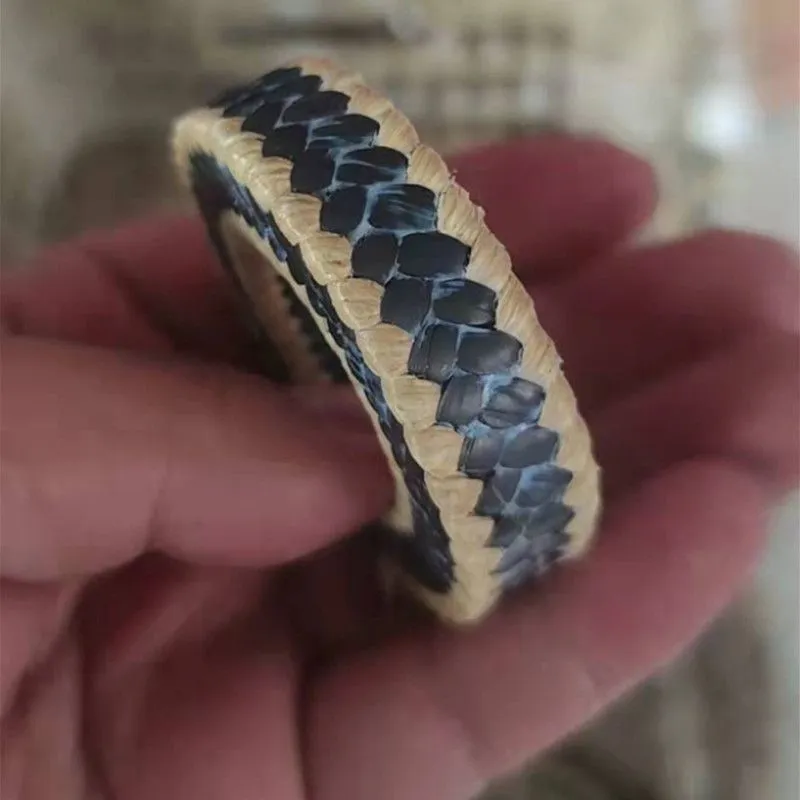
Standards and Selection: Technical Red Lines for Operating Conditions Adaptation The selection of packing rings must strictly follow the five-dimensional matching principle of "-temperature-pressure-shaft speed-lubrication". For conventional pump and valve sealing, aramid packing rings are preferred due to their moderate density and balanced wear resistance and sealing performance; high-temperature and high-pressure steam conditions, carbon fiber packing rings should be selected for their good thermal conductivity and resistance to high-temperature oxidation; for highly corrosive media, flexible graphite PTFE packing rings must be chosen to ensure material compatibility; for low-speed, large shaft diameter conditions, high-water-based packing rings can be selected for their low cost and goodity. When selecting, special attention must be paid to the following technical red lines: first, the upper temperature limit, as the temperature resistance of packing rings varies significantly by material, a temperature of over 10% should be reserved during selection; second, the pressure limit, as the pressure resistance of packing rings is limited by material and structure, molded packing rings or composite seals be selected for ultra-high pressure conditions; third, shaft speed adaptation, the linear speed of packing rings is usually ≤16m/s, and exceeding this speed will lead excessive frictional heat and sealing failure; fourth, lubrication conditions, the sealing performance of packing rings highly depends on the lubricating medium, so a suitable lubricant must be selected according to the conditions and the lubrication system must be kept clear; fifth, the cut form, a 45° diagonal cut is preferred for high-pressure conditions to avoid leakage from straight cuts
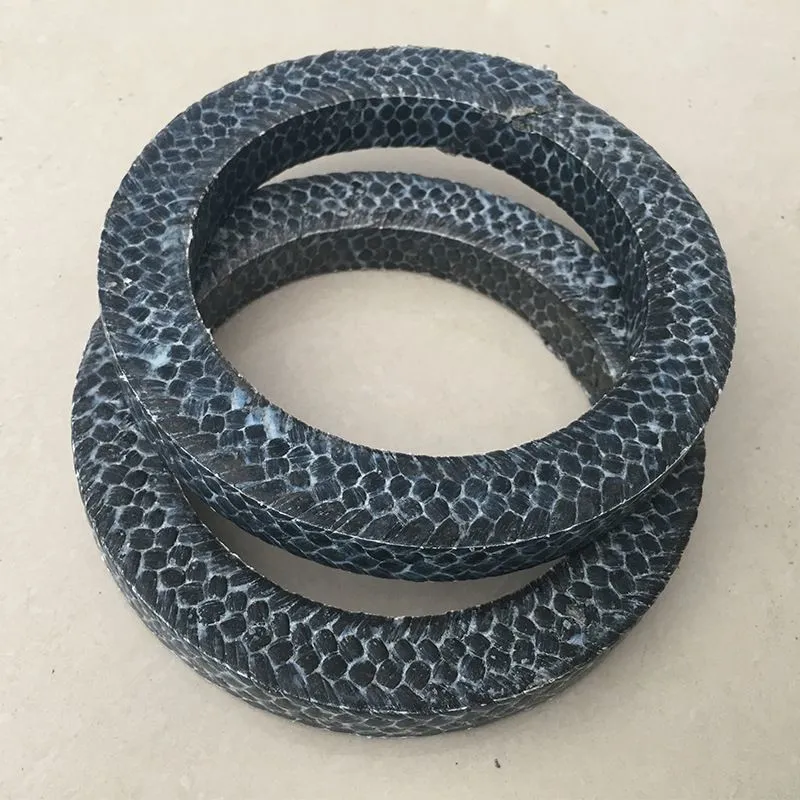
Installation and Maintenance: Critical Control Points in Engineering Practice The sealing reliability of packing rings depends not only on the quality of the product but more importantly on the refined control of installation and maintenance. Before installation, the stuffing box and shaft surface must be thoroughly cleaned to remove oil, rust, scratches, and old packing, ensuring the contact surfaces are clean and flat; meanwhile, the shaft diameter and stuffing box dimensions must be measured to accurately calculate the cross-sectional size and length of the packing ring avoiding sealing failure caused by dimensional deviations. When cutting the packing ring, a mandrel with the same diameter as the shaft must be used to ensure the cut is flat, burr-free, an accurate angle. During installation, the packing rings must be placed into the stuffing box one by one, with the cut of each ring offset by more than 90° to leakage caused by aligned cuts. After installing each ring, a compaction tool must be used to press it firmly, ensuring the packing ring fits perfectly against the stuffing box wall and the shaft. Once installation is complete, the gland nuts should be tightened gradually to avoid overheating and burning the packing ring due to over-tightening. After starting the equipment, a slight leakage of packing ring must be allowed to lubricate the shaft surface and carry away frictional heat. Within the first hour of operation, the gland nuts should be gradually adjusted to reduce the leakage to the minimum allowable value, ensuring no heat generation at the stuffing box. In the maintenance phase, a usage log for the packing rings must be established to record installation time, operating parameters, amount, and maintenance status, providing data support for subsequent selection and installation. The leakage amount and stuffing box temperature of the packing rings must be checked regularly; if the leakage is excessive the temperature is too high, the gland nuts must be adjusted or the packing rings replaced promptly. For reusable packing rings, an appearance inspection and dimensional measurement must be performed after disassembly. the surface of the packing ring shows wear, deformation, or aging, it must be repaired or replaced; if the packing ring exhibits delamination or loosening, it must be replaced with a one to avoid sealing performance degradation caused by reuse.
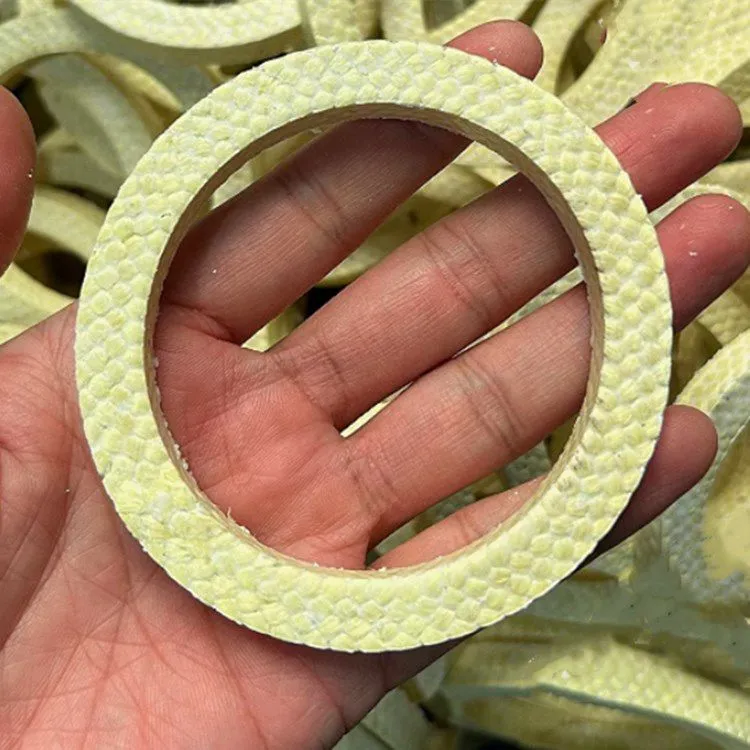
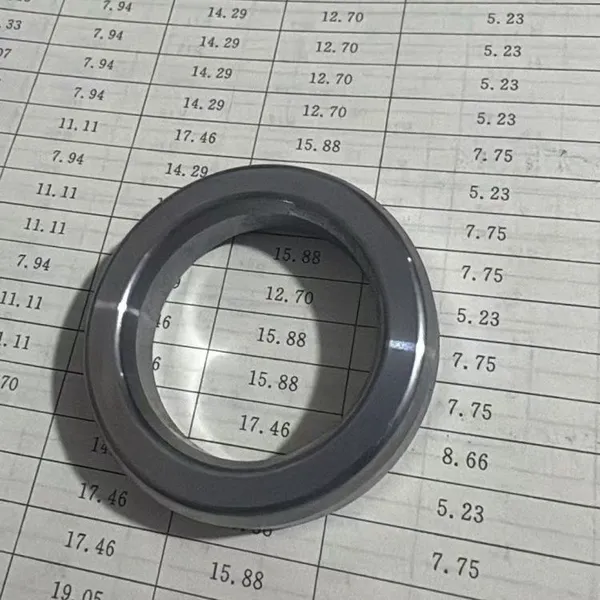
Conclusion: The Engineering Rationality Behind Dynamic Sealing The widespread application of gland packing rings reflects a paradigm shift in industrial sealing technology from " contact" to "flexible dynamic balance." It retains the material advantages of high temperature resistance, corrosion resistance, and wear resistance, while achieving reliable sealing under dynamic operating conditions through a dual " bearing" mechanism, providing lasting protection in the operation of equipment such as pumps, valves, and agitators. These dynamic sealing characteristics enable it to play an irreplaceable role across broad spectrum of scenarios, ranging from conventional operating conditions to high temperature and high pressure, and from corrosive media to frequent start-stop cycles. With the continuous advancement of new energy, highend equipment manufacturing, and environmental protection requirements, the performance demands for gland packing rings are also steadily climbing. In the future, higher temperature resistance, stronger corrosion resistance, lower friction, greater intelligence will become the main directions for the technological development of gland packing rings. For engineers and material researchers, a deep understanding of the material essence, performance boundaries, and installation logic packing rings not only helps in making better selection decisions for current projects but also reserves critical technical knowledge to tackle more stringent sealing challenges in the future. Within this seemingly ordinary black ring-shaped lies the engineering rationality and scientific spirit of the continuous progress of industrial sealing technology.
Recently Posted
-
O-ring: The "Invisible Contract" of Industrial Sealing and the Philosophy of Working Conditions
August 7, 2026In the vast and complex system of industrial equipment, people often marvel at the meshing of precision gears or the pressurebeari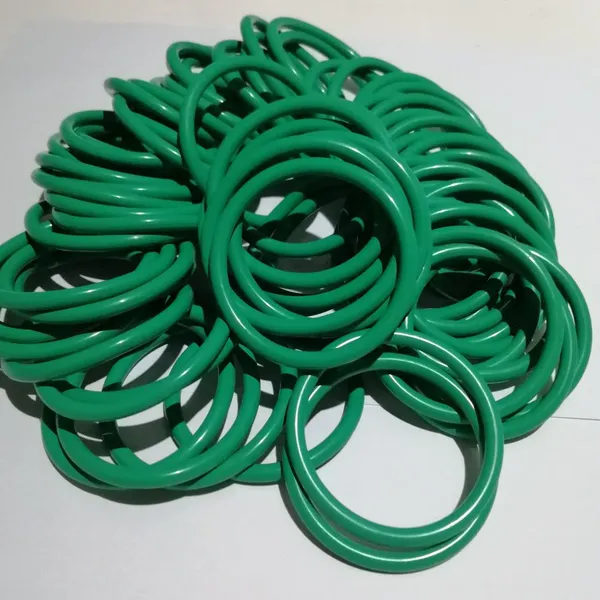 Read More
 -
Nano-aerogel felt: "Super insulation" breaking thermodynamic limits and industrial reshaping
August 7, 2026Under the grand narrative of the global energy structure transition and the "dual carbon" goals, energy conservation and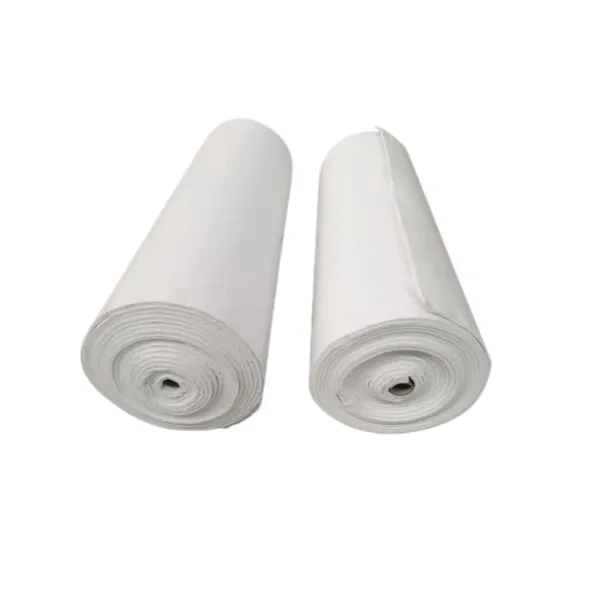 Read More
 -
Aluminum Gaskets: The "Flexible Contract" in Industrial Connections
August 5, 2026In industrial systems such as mechanical manufacturing, petrochemicals, electronics, and aerospace, aluminum gaskets/washers, as f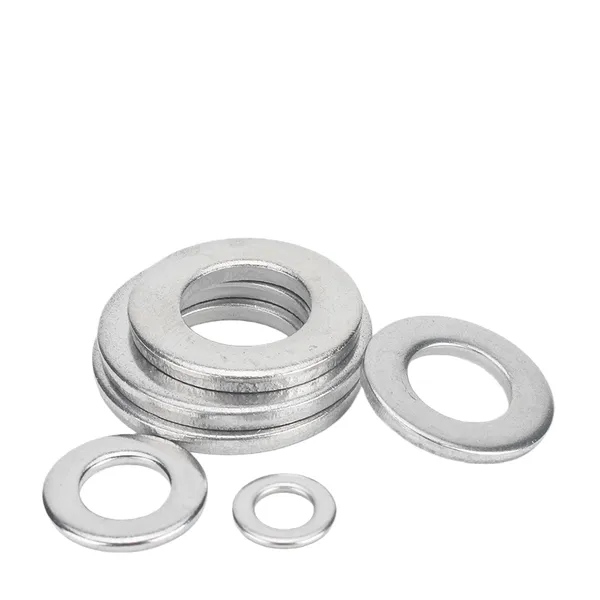 Read More
 -
Qingke Paper: The "Paper Armor" and Insulation Philosophy in the Electronics and New Energy Sectors
August 5, 2026Inside new energy batteries, precision motors, and various electronic and electrical devices, countless tiny components are hidden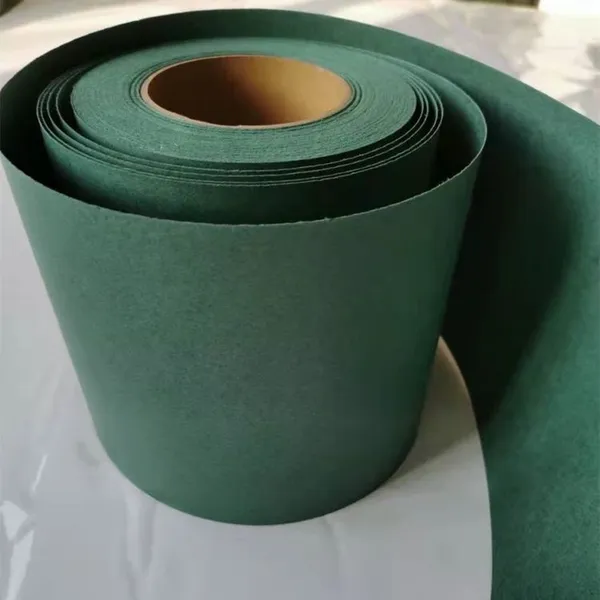 Read More

Contact Us
Recommended Products
-
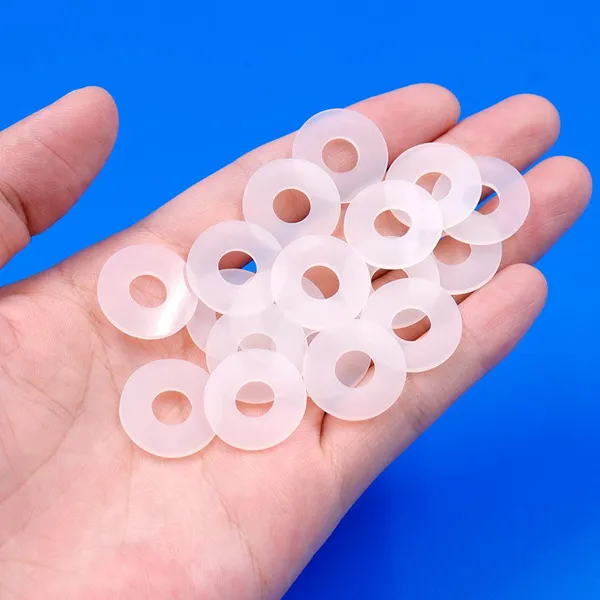
 Colored Silicone Flat Washer FF Full Surface With Water Line Silicone Pad High Temperature Resistant 230℃ Valve Pipe Sealing GasketNegotiableMOQ: 100 Blades
 -
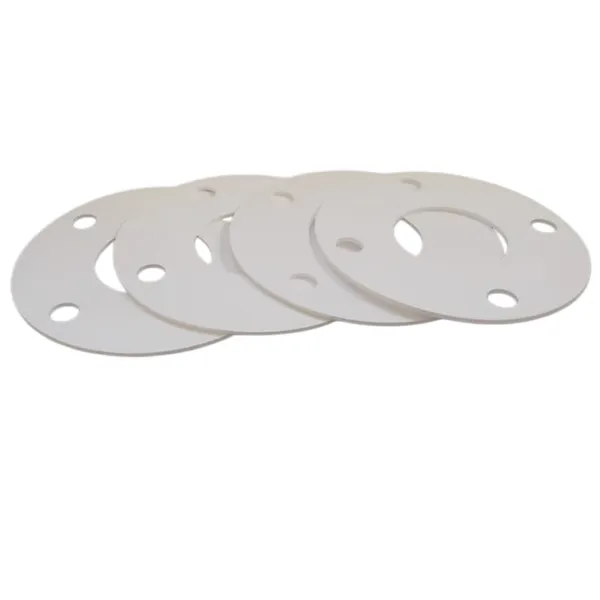
PTFE Gasket With Holes, National Standard Flange Multi-hole PTFE Sealing GasketNegotiableMOQ: 100 Blades
-
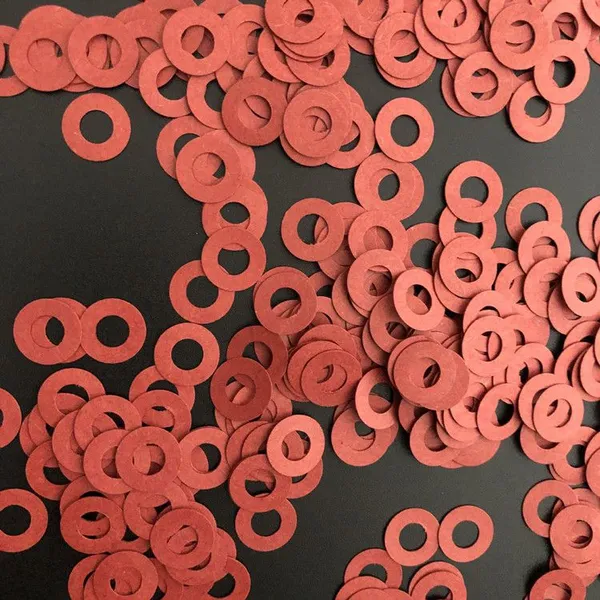
Red Steel Paper Gasket Insulation Flat Washer Red Mica Quick Connector Paper WasherNegotiableMOQ: 100 Blades
-
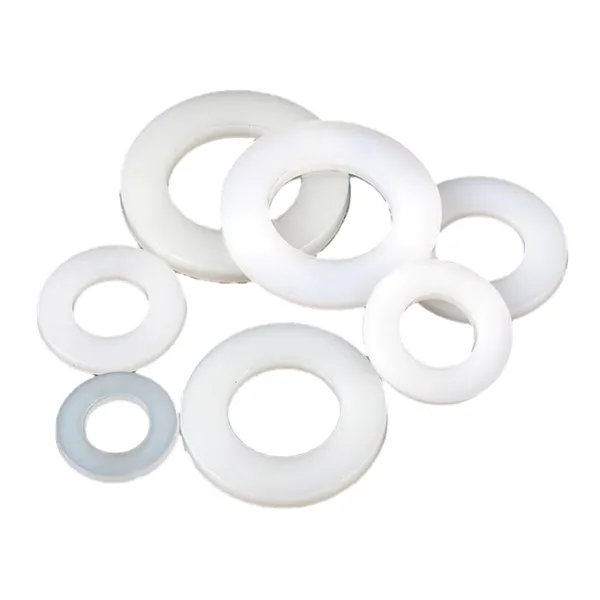
Nylon Washer Black Plastic Flat Washer Insulating Shock-absorbing Wear-resistant Self-lubricatingNegotiableMOQ: 100 Blades
-
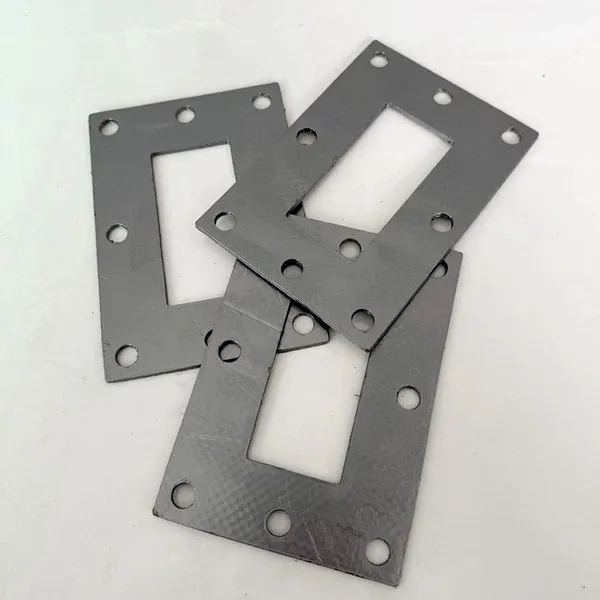
Perforated Graphite Composite Gasket 304 Stainless Steel Reinforced High Temperature and High Pressure Flange Gasket Boiler SteamNegotiableMOQ: 100 Blades
-
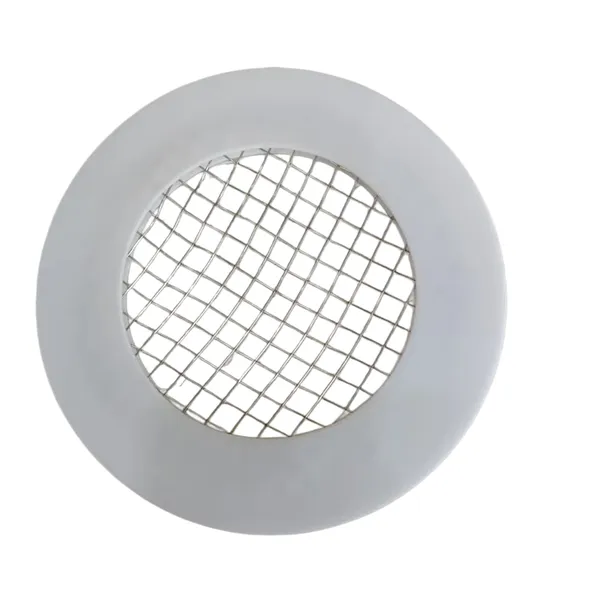
PTFE Filter Gasket With Stainless Steel Mesh; PTFE Filter Sealing Gasket With Stainless Steel MeshNegotiableMOQ: 100 Blades
-
Metal Reinforced PTFE PTFE Gasket Chemical Corrosion Resistant GasketNegotiableMOQ: 100 Blades
-
Reinforced Metal Winding Gasket 304 Stainless Steel Flange Sealing GasketNegotiableMOQ: 100 Blades
-
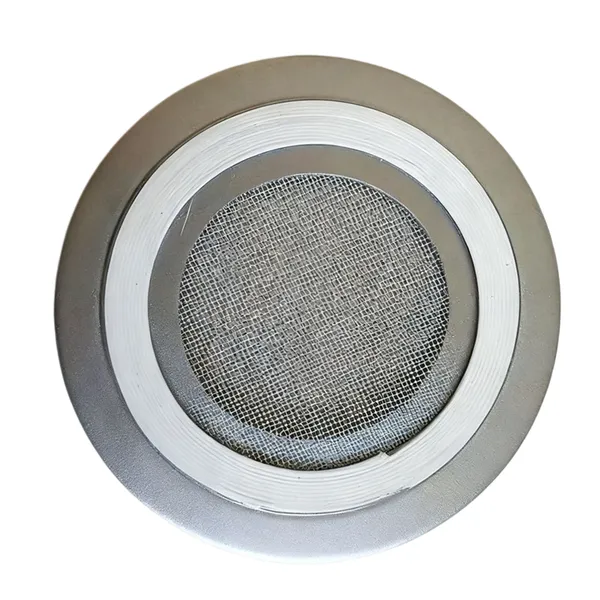
Filter Mesh Winding Gasket 304 Stainless Steel Inner and Outer Ring GasketNegotiableMOQ: 100 Blades
-
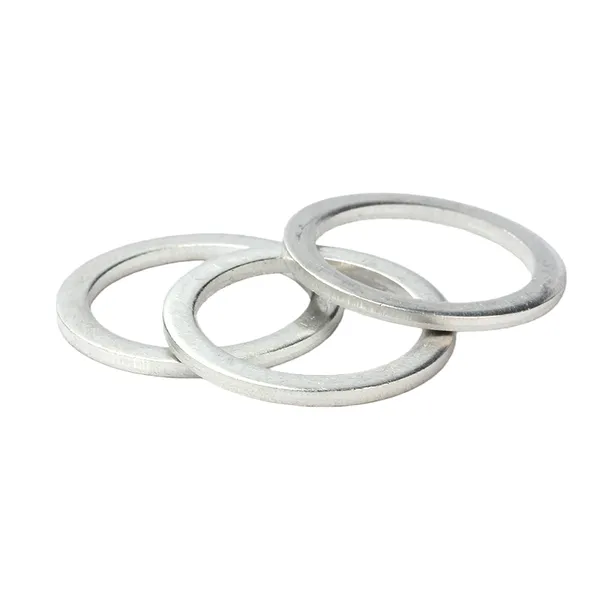
Pure Aluminum Gasket Soft Aluminum Flat Washer 0.1-3mm High Temperature Resistant Sealing Aluminum WasherNegotiableMOQ: 100 Blades
-
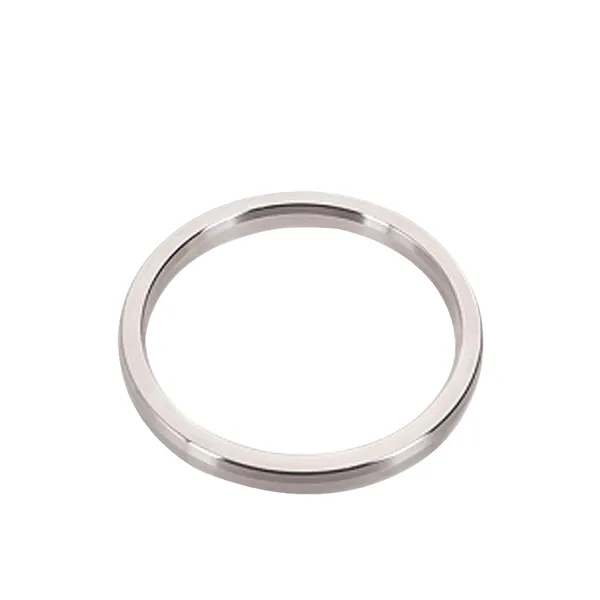
Metal Octagonal Ring Gasket Oval Gasket 304/316L Stainless Steel Metal Ring Gasket RJ Flange GasketNegotiableMOQ: 100 Blades
-
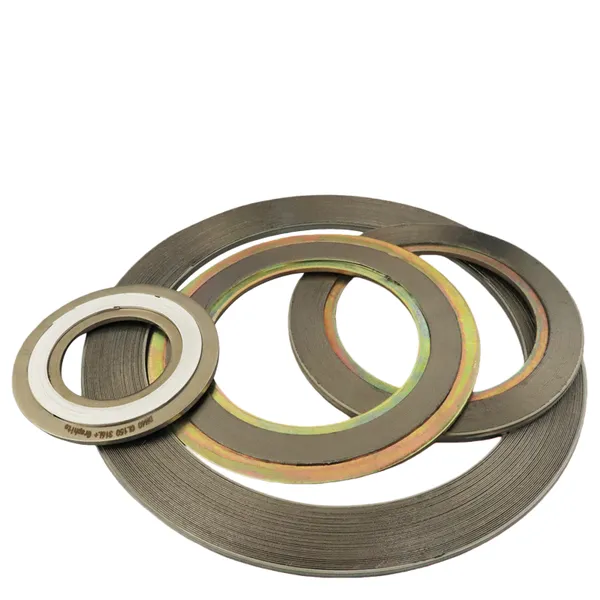
Basic Metal Spiral Wound Gasket 304 Graphite Spiral Wound Gasket Tongue and Groove FlangeNegotiableMOQ: 100 Blades
-
Metal Graphite Spiral Wound Gasket High Temperature Flange Pipe Sealing GasketNegotiableMOQ: 50 Blades
-
Stainless Steel Flexible Graphite Corrugated Composite Gasket Irregular Thick Reinforced High Temperature and High Pressure Sealing GasketNegotiableMOQ: 100 Blades
-
304 Stainless Steel Oval Metal Ring Gasket RJ Flange Oval Gasket High Pressure and High Temperature Resistant Sealing WasherNegotiableMOQ: 10 Units
-
PTFE Gasket, Polytetrafluoroethylene Sealing Gasket, White Teflon Flat Gasket, High Temperature and Acid/alkali Resistant Industrial Flange WasherNegotiableMOQ: 25 Units
-
Elastic Expanded PTFE Gasket Soft Teflon Gasket Pipe Flange Sealing Gasket High and Low Temperature Corrosion Resistant Ready Stock Custom MadeNegotiableMOQ: 25 Units
-
Metal Lens Gasket, No-hole and With-hole Lens Gasket, High-pressure Angle Valve Hydrogen Pipeline Flange Sealing Gasket Custom-madeNegotiableMOQ: 25 Units
-
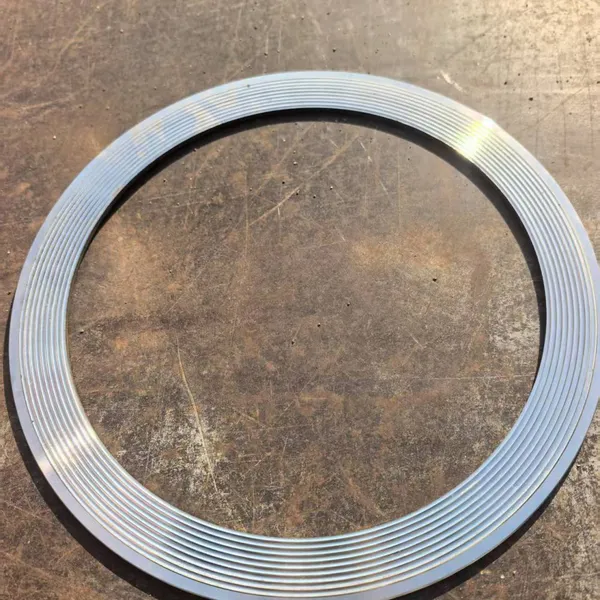
Metal Serrated Gasket | Wave Profile Composite Gasket for High Temperature and High Pressure Flange SealingNegotiableMOQ: 100 Blades
-
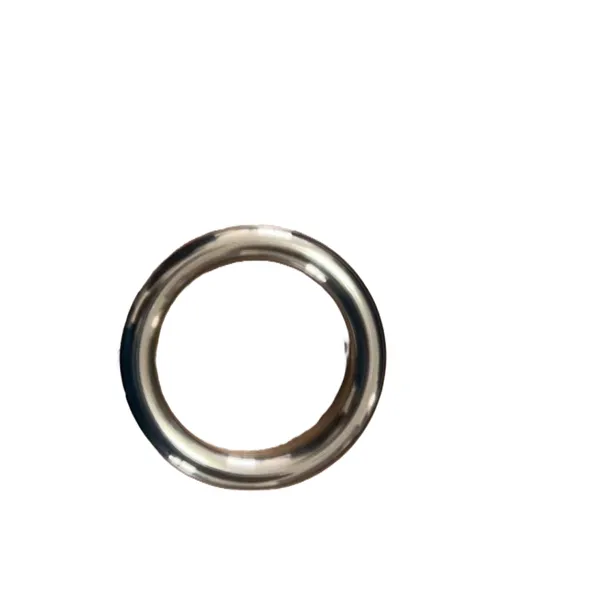
High Temperature and High Pressure Octagonal Ring Joint Gasket Oval Flange Gasket Carbon Steel 304 316 Stainless SteelNegotiableMOQ: 1 Unit