 Business License

Metal Gasket: The King of Sealing in High-Pressure Conditions, A Comprehensive Analysis of Principle
In industrial scenarios such as petrochemicals, electric power, nuclear power, and high-pressure hydraulics, ordinary rubber and ordinary flat metal gaskets often struggle to withstand ultra-high pressure, drastic temperature differences, and media corrosion, making them highly susceptible to issues like leakage, aging, and damage. contrast, metal ring-type gaskets, as precision sealing components specifically designed for high-pressure pipelines and high-pressure valves, have become the core sealing solution under high-pressure, hightemperature, and harsh operating conditions thanks to their unique spherical line sealing structure. They are critical components for the safe and stable operation of industrial high-pressure systems.
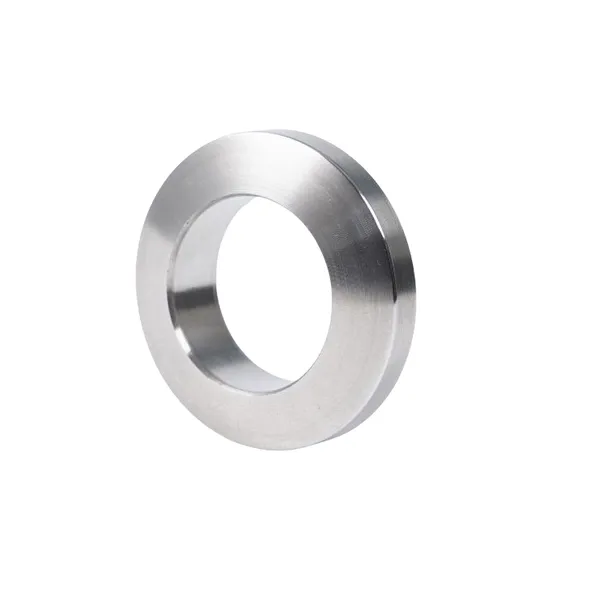
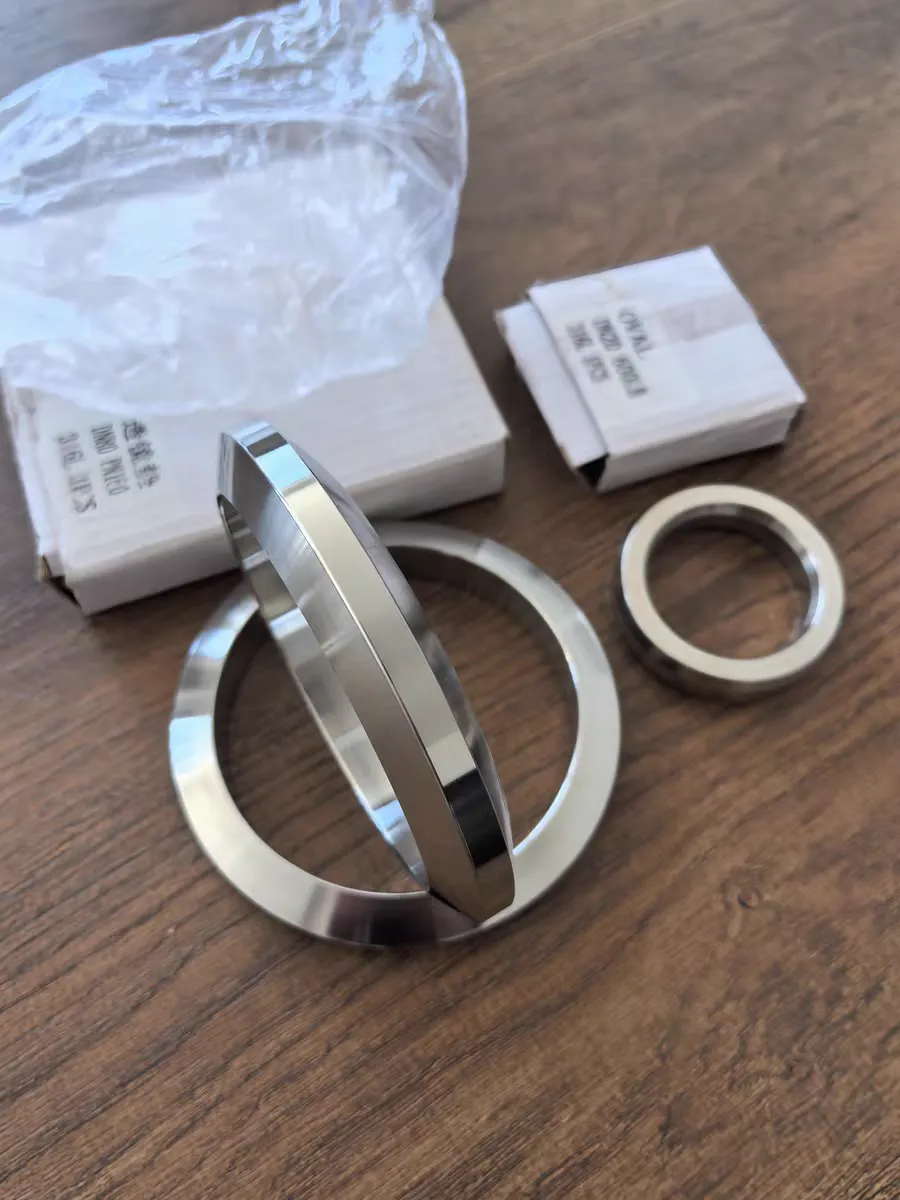
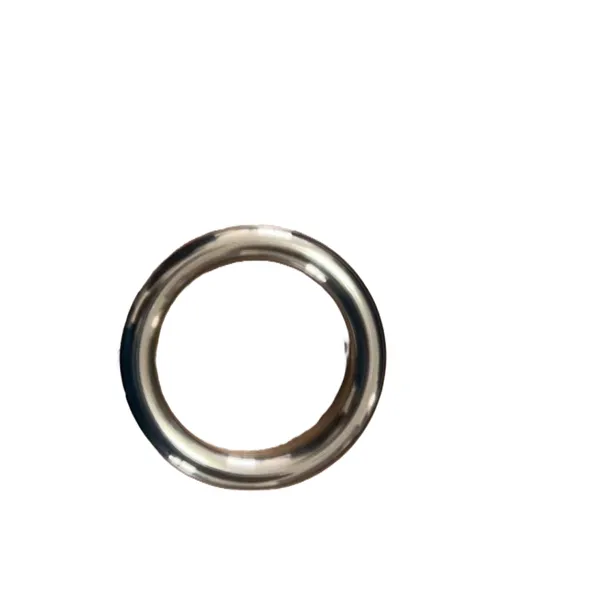
I. What a Metal Ring-Type Gasket? Metal ring-type gaskets, also known as ring-type metal gaskets, are high-precision forced sealing gaskets produced in accordance with the/T 2776-2010 industry standard. Unlike ordinary flat gaskets, they feature a precision-machined spherical ring structure. Their core sealing logic is based the contact sealing between a spherical surface and a conical surface. During installation pre-tightening, the spherical surface of the gasket fits precisely against the conical surface of the flange. Through external, a slight amount of plastic deformation is generated, transforming the initial line contact into an annular sealing band. This achieves zero-gap, high-strength sealing, completely eliminating the of high-pressure media leakage. The product is entirely precision-machined from a single piece of metal, with no joints or welds, resulting in a dense and uniform structure It is suitable for specialized sealing scenarios such as high-pressure angle valves, high-pressure pipeline flanges, and pressure vessels, making it a standard sealing component for high-pressure industrial equipment. conventional applicable nominal pressure can reach 16.0–32.0 MPa, and the applicable temperature range is -30°C to 200°C, the vast majority of industrial high-pressure operating conditions.
II. Core Sealing Principle of Metal Ring-Type Gaskets (The Root of Core Advantages) Many enterprises wonder: Why ring-type gaskets be used in high-pressure operating conditions, and why can't ordinary flat metal gaskets or octagonal gaskets replace them? The key lies in their unique sealing: 1. Precise line-to-line sealing and automatic centering: The spherical surface of the ring-type gasket naturally fits the conical surface of the flange. During installation, it can align itself without the need for manual precision calibration, avoiding leakage issues caused by installation misalignment and offering a higher installation tolerance. 2. Plastic deformation fit and zero-dead-angle: After bolt pre-tightening and pressure application, the contact surface of the gasket undergoes uniform plastic deformation, perfectly filling tiny scratches and gaps on the flange sealing surface to form a dense sealing band. The sealing precision far exceeds that of flat gaskets. 3. Forced sealing structure, pressure and fluctuation resistant: As a form of metal forced sealing, it does not rely on media. It can stably cope with complex operating conditions such as pressure fluctuations, sudden temperature changes, and alternating loads during equipment operation, ensuring that the sealing performance remains durable and effective
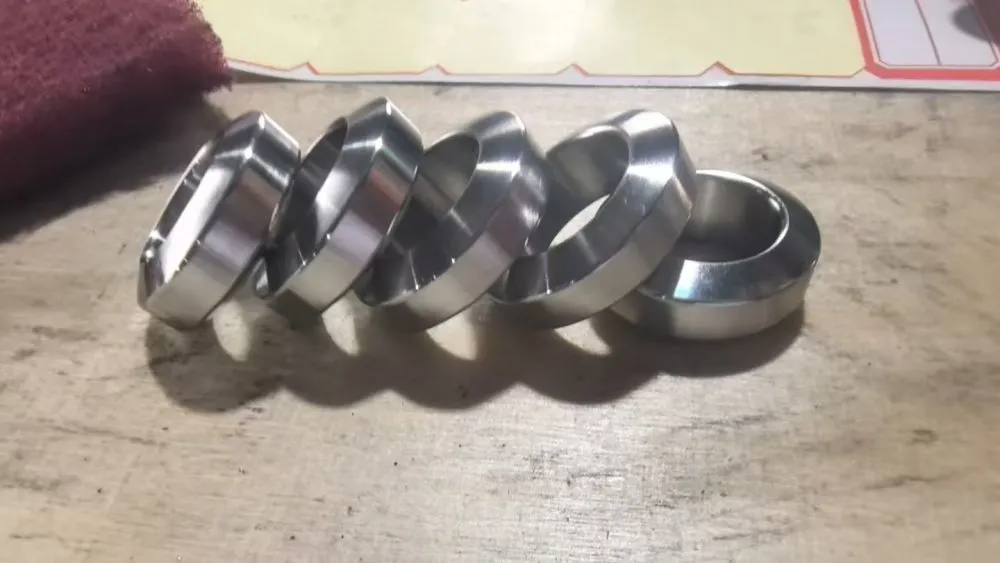
III. Core Product Advantages, Adapting to Harsh Industrial Working Conditions 1. Ultra-high pressure and temperature resistance, adapting to extreme working conditionsEliminating the material shortcomings of rubber and flexible gaskets, the all-metal rigid structure is immune to high-pressure impact and high-temperature baking. It will not suffer from aging,, blowing out, or deformation, enabling long-term stable operation in ultra-high pressure and high-temperature piping systems, solving the common problem of leakage in high-pressure working. 2. Corrosion and oxidation resistance, ultra-long service life Mainly using high-quality materials such as 20# steel, 304, and316L stainless steel, it is resistant to corrosion from engine oil, hydraulic oil, acid and alkali media, and water vapor. It possesses extremely strong oxidation and rust resistance sealing surface will not oxidize or be damaged over long-term use, significantly reducing equipment maintenance and gasket replacement costs. 3. Stable sealing, resistant to working condition fluctuations Designed for changing working conditions such as industrial equipment start-stop, pressure rise and fall, and temperature alternation between hot and cold, the ring joint gasket can adaptively deform to compensate. will not loosen or leak due to working condition fluctuations, providing long-lasting and stable sealing performance suitable for continuous industrial production scenarios. 4. Precision machining, extremely strong adaptability The body is precision turned, with a smooth sealing surface free of burrs and defects. It features high dimensional accuracy and is compatible with various standard and non-standard equipment, including GB high-pressure flanges, angle high-pressure valves, high-pressure boilers, and hydraulic equipment.
IV. Mainstream Material Selection and Application Scenarios Metal lens gasket materials can be customized according to requirements. Different materials adapt to different operating conditions and precise selection can maximize the usage effect: - 304 Stainless Steel Lens Gasket: Acid and alkali resistant, corrosion resistant, suitable for chemical, petroleum, and corrosive media operating conditions, with the strongest versatility and being a mainstream best-seller on the market. - 316L Stainless Steel Lens Gasket: Upgraded strong corrosion and high-temperature resistance, suitable for hydrocracking units, ethylene cracking, seawater operating conditions, and strong corrosion environments in fine chemicals. Core Application Fields: High-pressure hydrocr units in petrochemical industry, high-pressure steam pipelines in thermal power plants, nuclear power cooling systems, high-pressure hydraulic equipment, ammonia synthesis units for fertilizers, high-pressure boilers, high-pressure pipelines, high-pressure angle valve flange sealing, etc.
V. Comparison of Advantages: Ring Joint Gasket vs. Ordinary Metal Gasket (Flat/Octagonal Gasket) 1. Comparison with Gaskets: Flat gaskets have a flat contact surface, which is prone to uneven stress and leakage under high pressure; ring joint gaskets feature a precise spherical/conical fit, completely out in pressure resistance and sealing performance, making them suitable for high-pressure working conditions. 2. Comparison with Octagonal/Oval Gaskets: Ring joint gaskets are easier to install self-centering, and have a higher tolerance for error, specifically adapting to the structure of high-pressure angle valves; they offer better adaptability to pressure fluctuations and are more suitable for industrial with frequent start-stop cycles. 3. Comparison with Soft Gaskets: They completely solve the shortcomings of rubber and PTFE gaskets, such as poor high-temperature resistance, easy, and vulnerability to high-pressure blowout, increasing service life several times over.
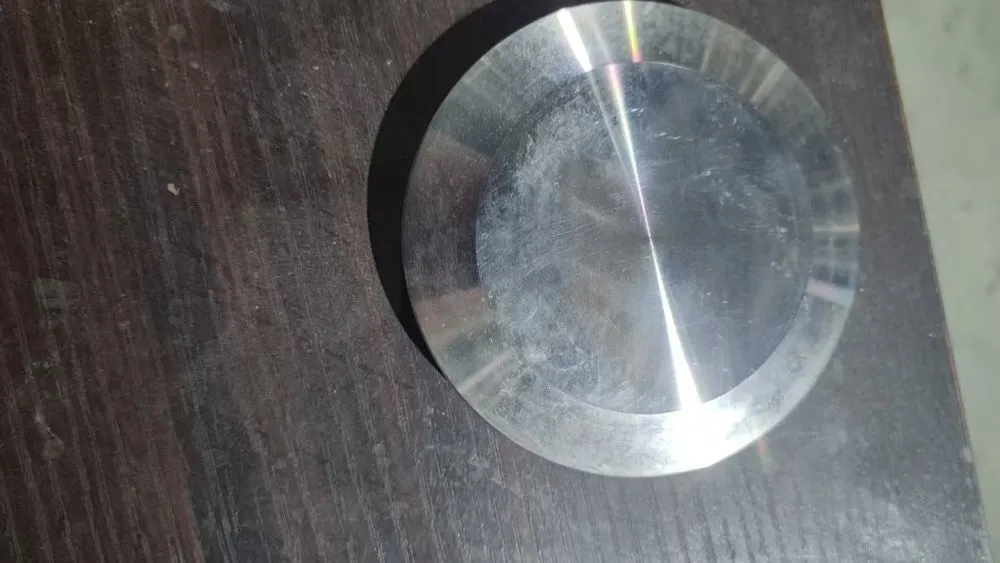
VI. Installation and Usage Precautions 1. Before installation, clean the flange conical sealing surface to remove impurities,, and corrosion, ensuring the contact surface is clean and flat; 2. No additional sealant is required, as sealing is achieved through the plastic deformation of the metal, avoiding sealant residue could affect sealing precision; 3. Tighten the bolts evenly in multiple stages to ensure uniform stress on the gasket, preventing sealing failure caused by one-sided loading; 4 After being compressed, the gasket forms a unique fitting indentation, resulting in poor interchangeability; for maintenance, it is recommended to reuse the gasket in its original position or replace it with a one, and cross-mixing is not recommended.
VII. Summary: The preferred choice for high-pressure sealing, an essential component for industrial safety. With its core advantages of high-pressure tolerance high-temperature stability, corrosion resistance and durability, precise sealing, and resistance to operating condition fluctuations, the metal ring joint gasket has become an indispensable sealing component for high-pressure pipelines, valves, and equipment. Compared to traditional gaskets, it completely solves the problems of leakage under high-pressure conditions, frequent replacements, and equipment downtime risks, effectively reducing enterprise and maintenance costs, and ensuring the safe, stable, and continuous operation of industrial production lines. Whether for conventional high-pressure hydraulic equipment or high-end and demanding operating conditions as chemical, power, and nuclear power industries, the metal ring joint gasket is the optimal choice for high-pressure sealing that combines cost-effectiveness and safety
Recently Posted
-
O-ring: The "Invisible Contract" of Industrial Sealing and the Philosophy of Working Conditions
August 7, 2026In the vast and complex system of industrial equipment, people often marvel at the meshing of precision gears or the pressurebeari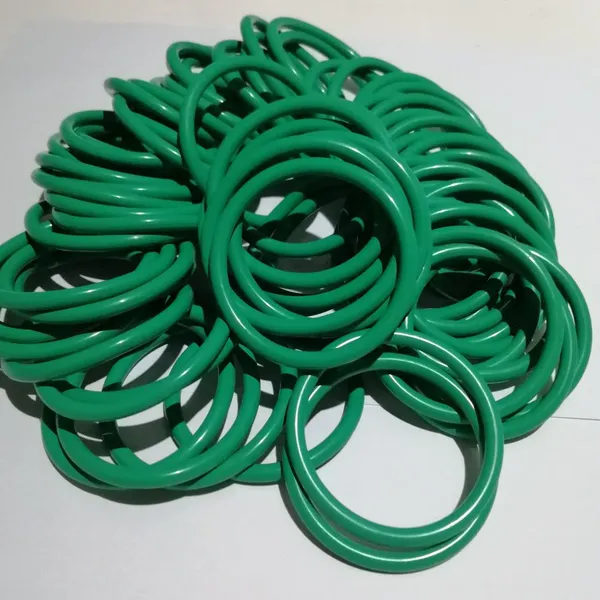 Read More
 -
Nano-aerogel felt: "Super insulation" breaking thermodynamic limits and industrial reshaping
August 7, 2026Under the grand narrative of the global energy structure transition and the "dual carbon" goals, energy conservation and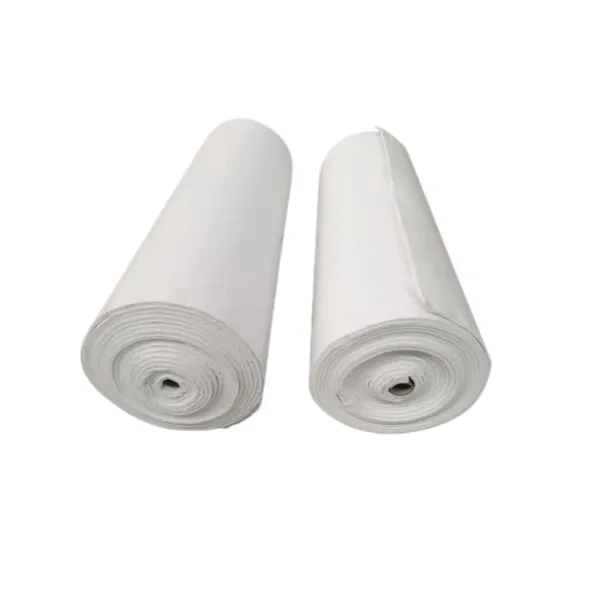 Read More
 -
Aluminum Gaskets: The "Flexible Contract" in Industrial Connections
August 5, 2026In industrial systems such as mechanical manufacturing, petrochemicals, electronics, and aerospace, aluminum gaskets/washers, as f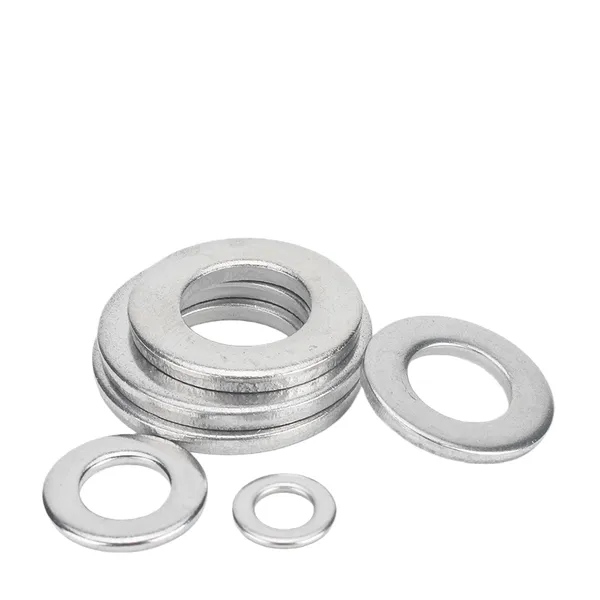 Read More
 -
Qingke Paper: The "Paper Armor" and Insulation Philosophy in the Electronics and New Energy Sectors
August 5, 2026Inside new energy batteries, precision motors, and various electronic and electrical devices, countless tiny components are hidden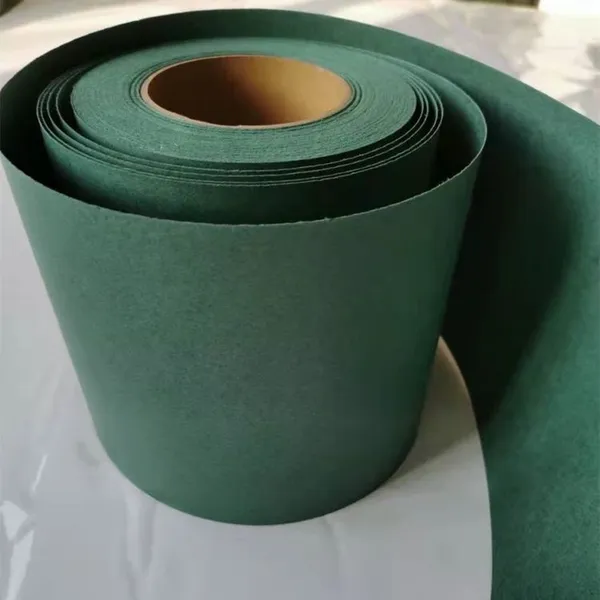 Read More

Contact Us
Recommended Products
-
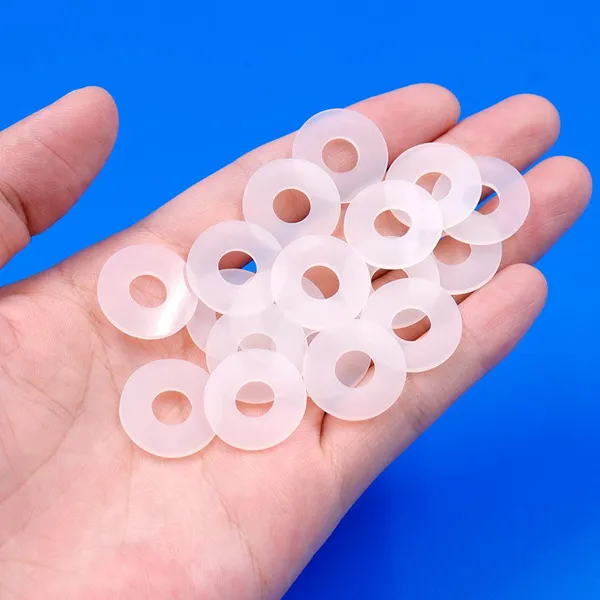
 Colored Silicone Flat Washer FF Full Surface With Water Line Silicone Pad High Temperature Resistant 230℃ Valve Pipe Sealing GasketNegotiableMOQ: 100 Blades
 -
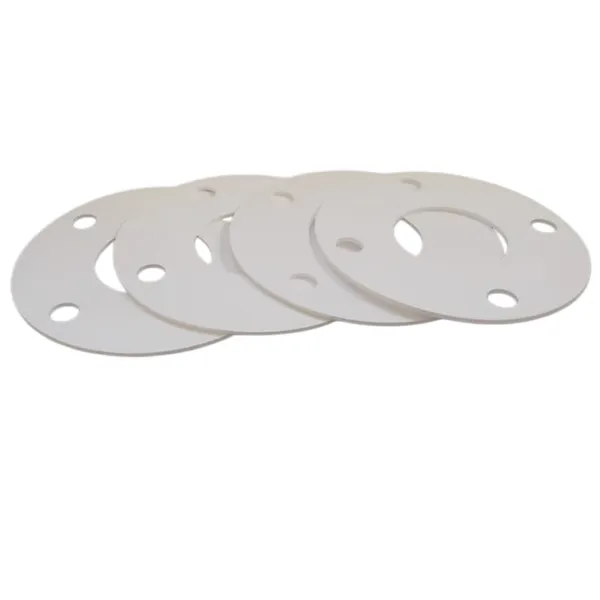
PTFE Gasket With Holes, National Standard Flange Multi-hole PTFE Sealing GasketNegotiableMOQ: 100 Blades
-
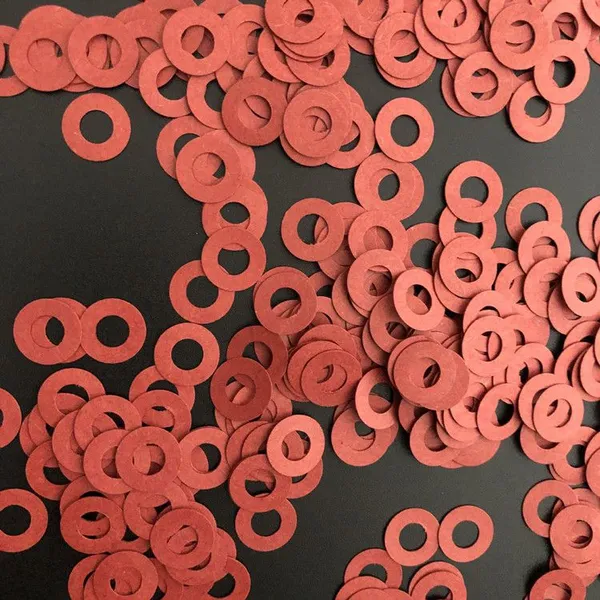
Red Steel Paper Gasket Insulation Flat Washer Red Mica Quick Connector Paper WasherNegotiableMOQ: 100 Blades
-
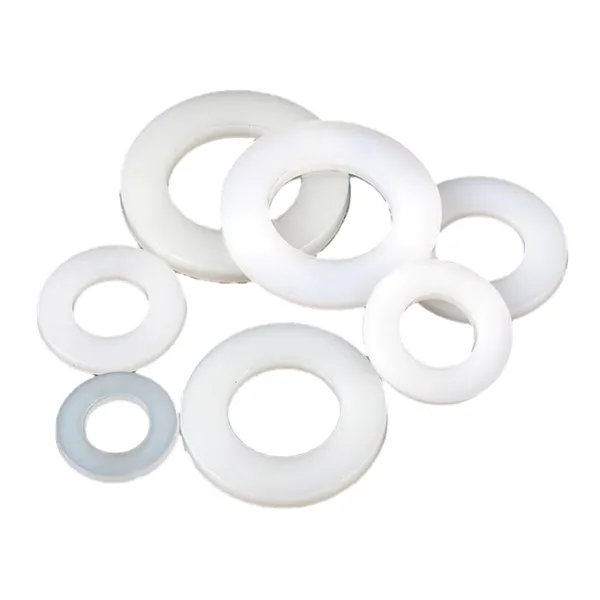
Nylon Washer Black Plastic Flat Washer Insulating Shock-absorbing Wear-resistant Self-lubricatingNegotiableMOQ: 100 Blades
-
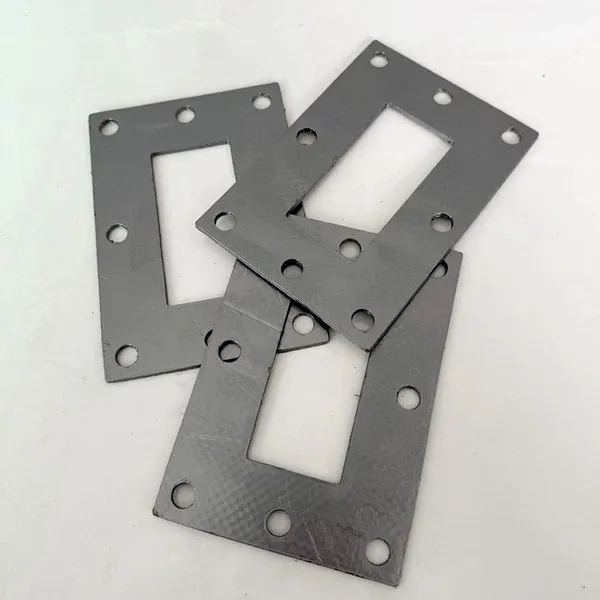
Perforated Graphite Composite Gasket 304 Stainless Steel Reinforced High Temperature and High Pressure Flange Gasket Boiler SteamNegotiableMOQ: 100 Blades
-
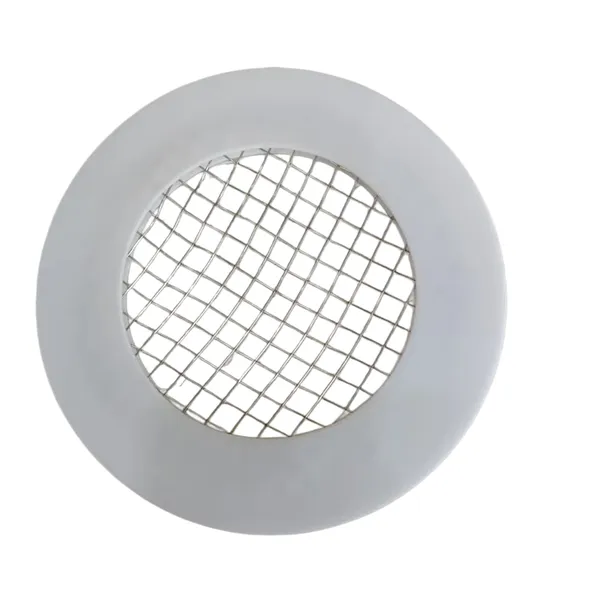
PTFE Filter Gasket With Stainless Steel Mesh; PTFE Filter Sealing Gasket With Stainless Steel MeshNegotiableMOQ: 100 Blades
-
Metal Reinforced PTFE PTFE Gasket Chemical Corrosion Resistant GasketNegotiableMOQ: 100 Blades
-
Reinforced Metal Winding Gasket 304 Stainless Steel Flange Sealing GasketNegotiableMOQ: 100 Blades
-
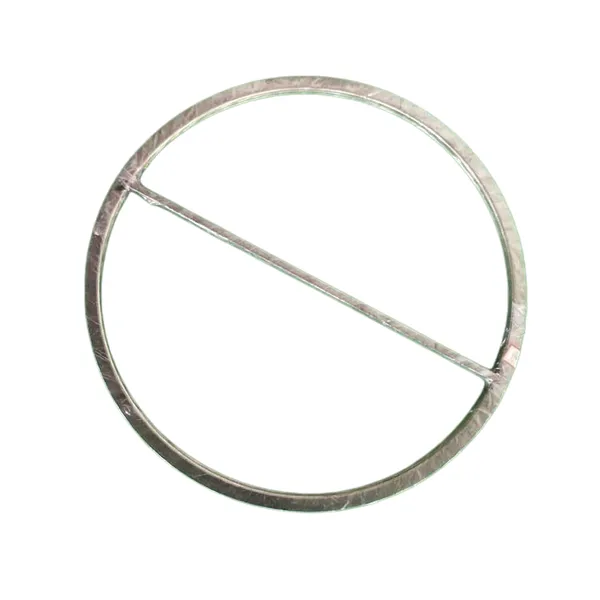
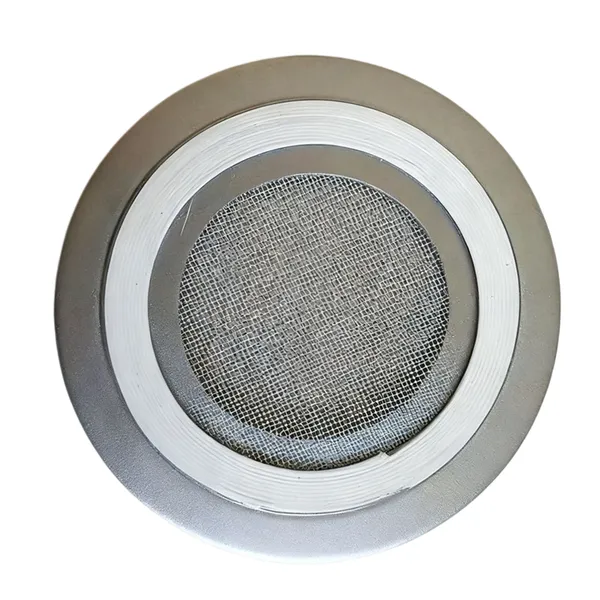
Filter Mesh Winding Gasket 304 Stainless Steel Inner and Outer Ring GasketNegotiableMOQ: 100 Blades
-
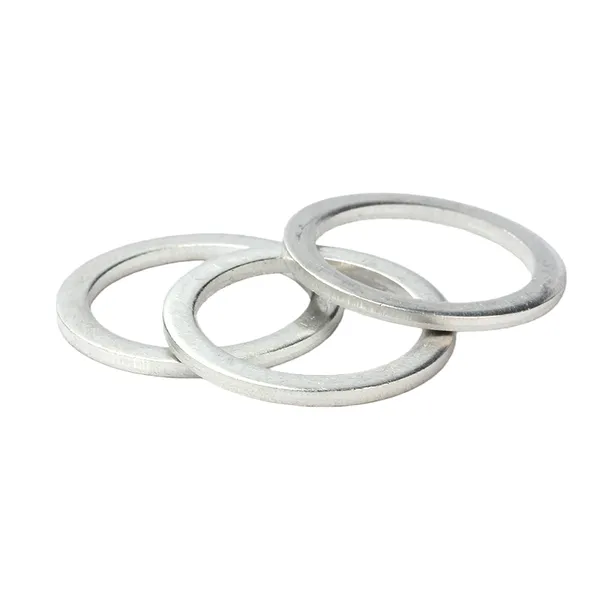
Pure Aluminum Gasket Soft Aluminum Flat Washer 0.1-3mm High Temperature Resistant Sealing Aluminum WasherNegotiableMOQ: 100 Blades
-
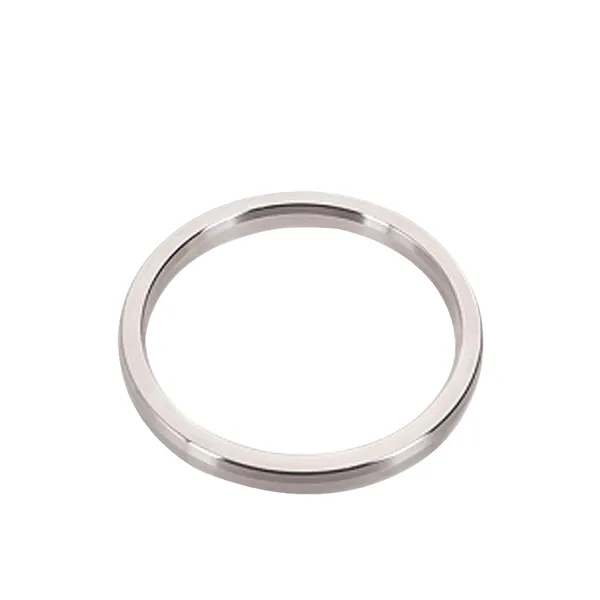
Metal Octagonal Ring Gasket Oval Gasket 304/316L Stainless Steel Metal Ring Gasket RJ Flange GasketNegotiableMOQ: 100 Blades
-
Basic Metal Spiral Wound Gasket 304 Graphite Spiral Wound Gasket Tongue and Groove FlangeNegotiableMOQ: 100 Blades
-
Metal Graphite Spiral Wound Gasket High Temperature Flange Pipe Sealing GasketNegotiableMOQ: 50 Blades
-
Stainless Steel Flexible Graphite Corrugated Composite Gasket Irregular Thick Reinforced High Temperature and High Pressure Sealing GasketNegotiableMOQ: 100 Blades
-
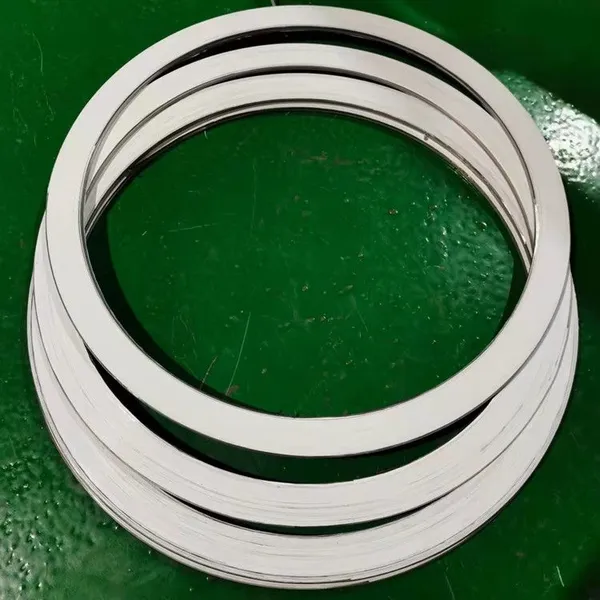
304 Stainless Steel Oval Metal Ring Gasket RJ Flange Oval Gasket High Pressure and High Temperature Resistant Sealing WasherNegotiableMOQ: 10 Units
-
PTFE Gasket, Polytetrafluoroethylene Sealing Gasket, White Teflon Flat Gasket, High Temperature and Acid/alkali Resistant Industrial Flange WasherNegotiableMOQ: 25 Units
-
Elastic Expanded PTFE Gasket Soft Teflon Gasket Pipe Flange Sealing Gasket High and Low Temperature Corrosion Resistant Ready Stock Custom MadeNegotiableMOQ: 25 Units
-
Metal Lens Gasket, No-hole and With-hole Lens Gasket, High-pressure Angle Valve Hydrogen Pipeline Flange Sealing Gasket Custom-madeNegotiableMOQ: 25 Units
-
Metal Serrated Gasket | Wave Profile Composite Gasket for High Temperature and High Pressure Flange SealingNegotiableMOQ: 100 Blades
-
High Temperature and High Pressure Octagonal Ring Joint Gasket Oval Flange Gasket Carbon Steel 304 316 Stainless SteelNegotiableMOQ: 1 Unit